


Proper care after getting stitches can help wounds heal, reduce infection risk and minimize scarring...

A single mouse sighting means you must act quickly, as these invaders can pose serious health and safety risks.
Mice squeeze through dime-sized openings. They enter through cracks, gaps and spaces under doors and windows. Inside, they nest in attics, basements, garages or behind kitchen appliances.
Because mice reproduce rapidly, what begins as a minor issue can spiral into a severe infestation in just a few weeks, requiring swift action to prevent a major problem.
“Mice may seem harmless, but they can bring dangerous bacteria, viruses and parasites into your home,” said William Bennett, D.O., a physician with Inspira Health Urgent Care. “These can spread rapidly through their droppings, urine and saliva.”
In rare instances, inhaling even tiny amounts of contaminated dust can cause serious respiratory infections such as hantavirus, a viral lung disease spread by rodent droppings, or leptospirosis, a bacterial infection that can affect the lungs and other organs. Mice can also jeopardize your health by contaminating food and kitchen surfaces, raising the risk of potentially severe foodborne illness.
“Mouse bites can cause infection and, rarely, transmit diseases such as rat-bite fever, a bacterial illness that can cause fever, rash and joint pain if untreated,” said Dr. Bennett. “Even without contact, mouse droppings can trigger asthma or allergy symptoms.”
Beyond health concerns, mice can also damage insulation, wiring and stored belongings, creating fire hazards and costly repairs. Their rapid reproduction means a small problem can quickly turn into an infestation, making prompt prevention and cleanup essential for a healthy, safe home.
If you spot signs of mice, such as droppings, shredded paper or gnawed food packaging, act immediately and clean up with extreme care. Do not sweep or vacuum droppings, as this releases dangerous particles into the air. Instead, follow these steps:
“If you develop a cough, fever or other symptoms after cleaning rodent droppings, seek immediate medical attention,” said Dr. Bennett.
Follow these steps to keep mice out:
If you think you have an infestation, contact a licensed pest control professional. Do not handle it yourself. Traps and poisons can be dangerous, especially with children and pets at home.
“Mice can compromise your home’s safety and your family’s health,” said Dr. Bennett. “Act promptly to prevent them from entering and spreading germs.”
If you experience bites, respiratory symptoms or infection after exposure, Inspira Urgent Care can help.

Proper care after getting stitches can help wounds heal, reduce infection risk and minimize scarring...
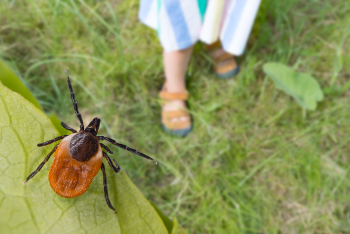
Not all tick bites cause Lyme disease, but it’s better to be safe than sorry. Lyme disease is...

Inspira Health has been recognized at both the state and national levels for excellence in...