


Respiratory syncytial virus (RSV) is a common respiratory infection that can be serious for infants...

Rotavirus is one of the most common causes of severe diarrhea in infants and young children.
Because rotavirus spreads easily and can cause dehydration quickly, it’s important for parents and caregivers to understand how it works, what symptoms to watch for and how vaccination can help prevent serious illness.
Rotavirus is a highly contagious virus that infects the stomach and intestines. “It causes acute gastroenteritis, digestive tract inflammation that leads to diarrhea and vomiting,” said Anjali Sawhney, D.O., a primary care physician with Inspira Health. “It most commonly affects infants and young children, especially those under age 5.”
The biggest risk associated with rotavirus is dehydration. Because the virus can cause frequent, watery diarrhea and repeated vomiting, babies and young children can lose fluids quickly. Infants and toddlers are especially vulnerable because their bodies are smaller and they cannot always communicate how they feel.
Signs of dehydration may include:
Severe dehydration can require emergency care or hospitalization if not treated promptly.
Rotavirus can pass from hands to surfaces to mouths, especially in settings like daycares, where young children share toys and may not yet practice consistent hand hygiene.
The virus can live on surfaces for hours and is not always eliminated by routine cleaning. Even small amounts of the virus can cause infection, which is why outbreaks can spread quickly among groups of children.
Symptoms typically begin about two days after exposure and may include:
Symptoms often last up to eight days. While many children recover at home with supportive care, some develop dehydration that requires medical attention.
There is no specific antiviral medication to treat rotavirus. Care focuses on preventing and managing dehydration. “Parents should offer small, frequent sips of fluids, such as water, Pedialyte or electrolyte drinks like Gatorade,” said Dr. Sawhney. “Breastfeeding or formula feeding should continue unless otherwise advised by a pediatrician.”
If your child cannot keep fluids down, appears very weak or shows signs of dehydration, contact your pediatrician right away. Severe cases may require IV fluids in a hospital setting.
Vaccination is the most effective way to prevent severe rotavirus infection. “The rotavirus vaccine is given as liquid drops during infancy, starting at 2 months of age,” said Dr. Sawhney. “Depending on the brand used, infants receive either two or three doses, completed by 8 months of age.”
The vaccine does not always prevent infection, but it significantly reduces the risk of severe diarrhea, dehydration and hospitalization.
Contact your child’s pediatrician if your child:
If your child is difficult to wake, has trouble breathing or shows signs of severe dehydration, seek emergency care immediately.
Rotavirus is common, but its complications can be serious. Staying up to date on vaccinations and recognizing the signs of dehydration can help protect your child and ensure timely care when needed.
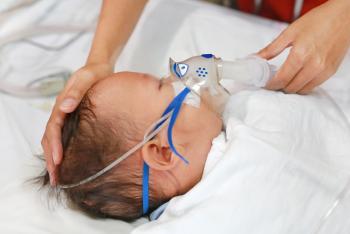
Respiratory syncytial virus (RSV) is a common respiratory infection that can be serious for infants...

Discover the importance of selecting safe swimwear for your child. From prioritizing quality...

This article provides a guide for caregivers on how to keep their children healthy during the school...