


What becomes of a broken heart? As is turns out, a serious—but temporary—health issue.

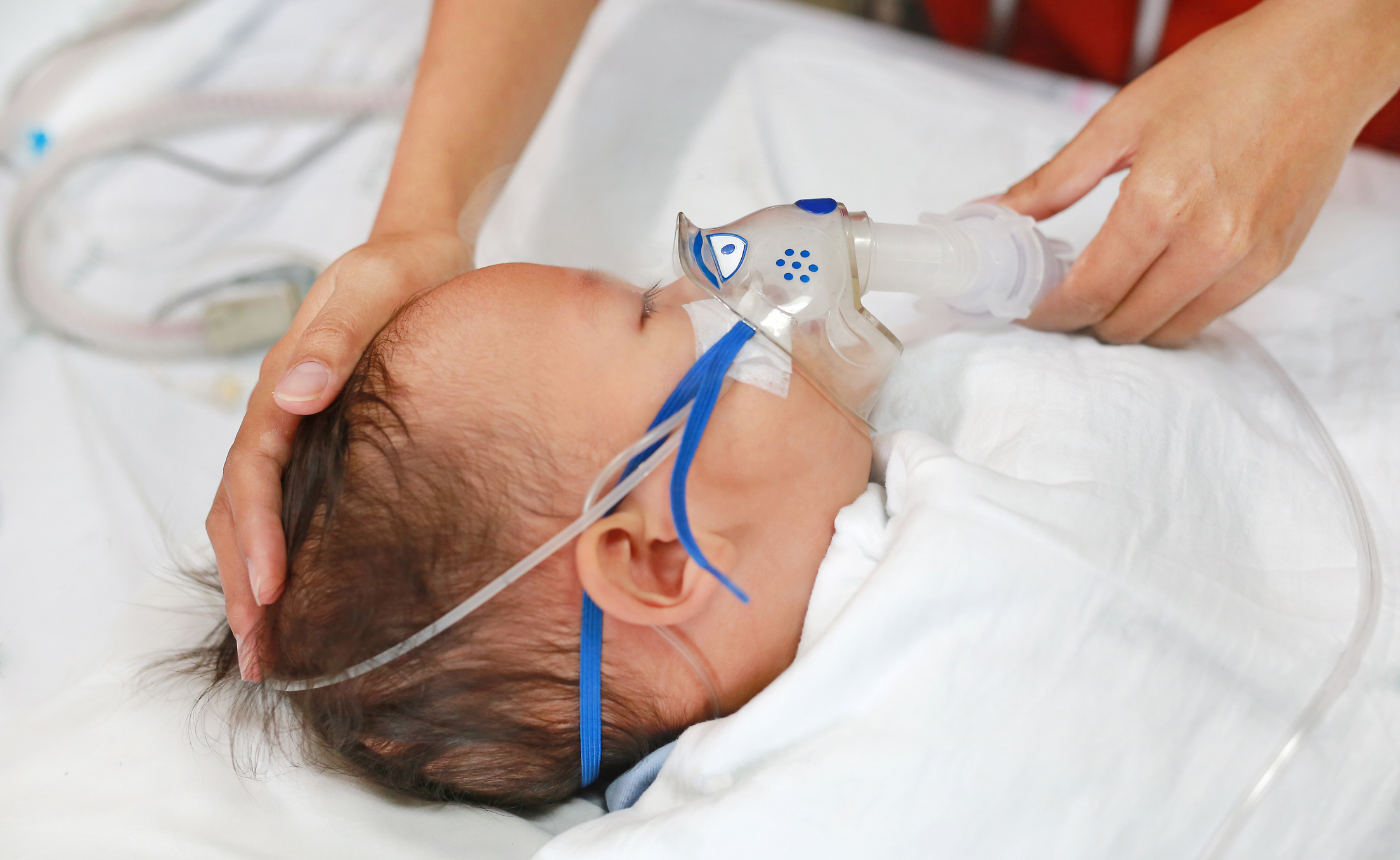
Respiratory syncytial virus (RSV) is a common respiratory virus that circulates seasonally and can cause serious illness in infants, older adults and people with underlying health conditions.
While RSV often leads to mild, cold-like symptoms, understanding who is most at risk and how to respond early can help families protect themselves and seek care when it matters most.
RSV is a highly contagious virus that infects the lungs and airways. Most healthy children and adults recover within a week or two. RSV can be more dangerous for certain people, especially infants and older adults. “The virus spreads through respiratory droplets from coughing or sneezing,” said Paul Kouyoumdji, M.D., a pediatrician with Inspira Health. “It can also spread by touching contaminated surfaces and then touching the eyes, nose or mouth.”
RSV activity often increases during colder months, but timing and intensity can vary. Because symptoms overlap with those of other respiratory illnesses, testing may be needed to confirm RSV and guide next steps.
Some people are more likely to develop complications from RSV, including:
For these groups, RSV can cause bronchiolitis, a condition where the small airways in the lungs become swollen and congested, pneumonia or worsening of existing conditions, sometimes requiring hospitalization.
RSV often starts as a mild upper respiratory infection. Symptoms usually appear within four to six days after exposure and may include congestion, cough, sneezing, wheezing, fever, decreased appetite, fatigue, headache or muscle aches.
“In infants, symptoms may be less obvious. Irritability, reduced activity, poor feeding or changes in breathing can be early warning signs,” said Dr. Kouyoumdji. “If an infant has labored breathing, bluish lips or face or difficulty feeding, seek medical care right away.”
No specific antiviral treatments are available for RSV in most cases. Care focuses on managing symptoms, staying hydrated and monitoring breathing. Severe cases may require oxygen, IV fluids or hospital care, especially in infants and older adults.
Because RSV can mimic other illnesses, contact a provider if symptoms worsen, breathing becomes hard or recovery slows.
“Everyday steps can reduce RSV spread, especially around those at higher risk for severe RSV,” said Dr. Kouyoumdji. “These include handwashing, avoiding touching your face with unwashed hands, covering coughs and sneezes, cleaning surfaces, limiting contact with sick individuals and staying home when ill.”
For people at higher risk, including some infants and older adults, preventive options may be available. A health care provider can help determine what protection is appropriate based on your age, health history and risk factors.
Contact your doctor if symptoms worsen, breathing becomes difficult or a child or older adult isn’t eating, drinking or behaving normally. If severe symptoms develop, such as significant trouble breathing, chest retractions or bluish skin or lips, seek emergency care immediately.
Understanding RSV and recognizing symptoms early can help families act quickly and lower the risk of serious illness.

What becomes of a broken heart? As is turns out, a serious—but temporary—health issue.
White coat hypertension is when blood pressure rises only during medical visits due to stress or...
Rotavirus is a highly contagious virus that can cause severe diarrhea, vomiting and dangerous...