


Sports medicine and physical therapy both play vital roles in injury recovery, but they serve...
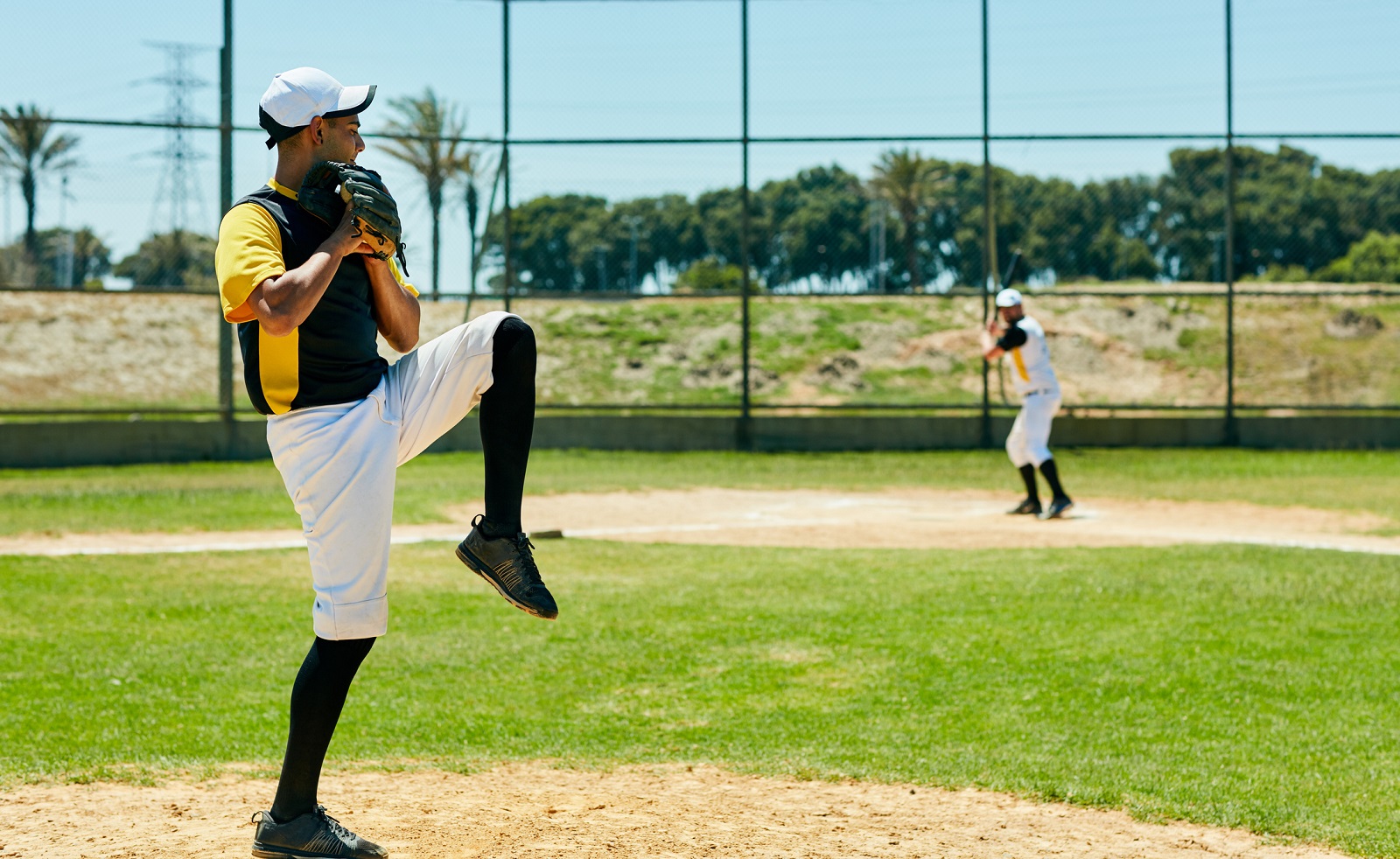
A Ulnar Collateral Ligament (UCL) injury can be a major setback for athletes. Understanding treatment options, rehabilitation and what it takes to return to play safely can help athletes navigate a UCL repair.
The UCL is a strong band of tissue located on the inside of the elbow. This band helps stabilize the joint while throwing. Repetitive stress from overhead throwing can cause the ligament to stretch, partially tear or completely rupture.
Athletes with a UCL injury may experience:
While UCL injuries are most often associated with baseball pitchers, they can also affect other throwing athletes, including position players, softball players, football quarterbacks and javelin throwers.
Not every UCL injury requires surgery. Depending on the severity of the injury and the athlete's symptoms, conservative treatment may initially include rest, activity modification, anti-inflammatory modalities, bracing (immobilization), physical therapy and a gradual return to throwing. Orthopedic surgery may be recommended when the ligament is significantly torn or unstable, and the athlete cannot return to throwing with nonsurgical treatment.
“The decision to recommend surgery depends on several factors, including the extent of the ligament injury, the athlete's symptoms and their goals. Some athletes can recover without surgery, while others may need reconstruction to restore elbow stability,” said Jason Barnette, occupational therapist at Inspira Health.
Tommy John surgery, otherwise known as a UCL reconstruction, is a procedure in which a surgeon replaces the damaged ligament with a tendon graft. The graft may come from the patient’s own body or, in some cases, from a donor. Tommy John surgery is intended to restore elbow stability and allow injured athletes to return to throwing after a complete tear.
This differs from a UCL repair, where a surgeon reattaches the athlete’s existing UCL to the bone. During a repair, an internal brace made from strong suture material may be used to reinforce the repair while the ligament heals. This approach is generally reserved for carefully selected athletes whose ligament tissue is suitable for repair.
Recovery from Tommy John surgery takes time. Rehabilitation typically begins soon after surgery and progresses through several stages. Early treatment focuses on protecting the reconstruction while gradually restoring elbow motion. As healing progresses, physical therapy focuses on rebuilding strength in the elbow, forearm, shoulder, core, thoracic spine, scapula, hip, and lower body.
“Recovery is a process, and athletes should not feel pressured to rush it,” said Barnette. “We want to see the elbow heal properly, strength return and throwing progress safely before an athlete goes back to competition.”
Athletes recovering from this surgery can expect to follow a structured interval throwing program to safely return to sports while minimizing the risk of reinjury.
Returning to competition is not based on time alone. Before an athlete is cleared to return, the medical and rehabilitation teams evaluate factors such as range of motion, strength, elbow stability, throwing progression, and the athlete's ability to perform sport-specific activities.
“An athlete's return to throwing should be gradual and individualized. We increase the demands over time so the athlete can build tolerance while we monitor how the elbow and the rest of the arm respond,” said Barnette.
Tommy John surgery restores elbow stability, and through rehabilitation, an athlete can regain the strength, mobility, coordination and throwing capacity needed to return to competition. A comprehensive rehabilitation program may address the entire kinetic chain, including the shoulder, elbow, wrist, core, hips and legs.
For athletes facing Tommy John surgery, having realistic expectations can make the recovery process easier to navigate.
“The goal of rehabilitation is not just to get an athlete back on the field,” said Barnette. “It’s to prepare them for the physical demands of their sport and give them the best opportunity to return safely.”
If elbow pain is affecting your ability to throw, an evaluation can help determine the cause and identify appropriate treatment options.
Sports medicine and physical therapy both play vital roles in injury recovery, but they serve...
Whether you’re a weekend warrior or a seasoned competitor, a few strength and mobility tips can go a...
Tarsal tunnel syndrome occurs when the tibial nerve becomes compressed near the ankle, leading to...