


From caring for her husband with Alzheimer's to her own cancer treatment, Lynn Keyser shares how Dr...
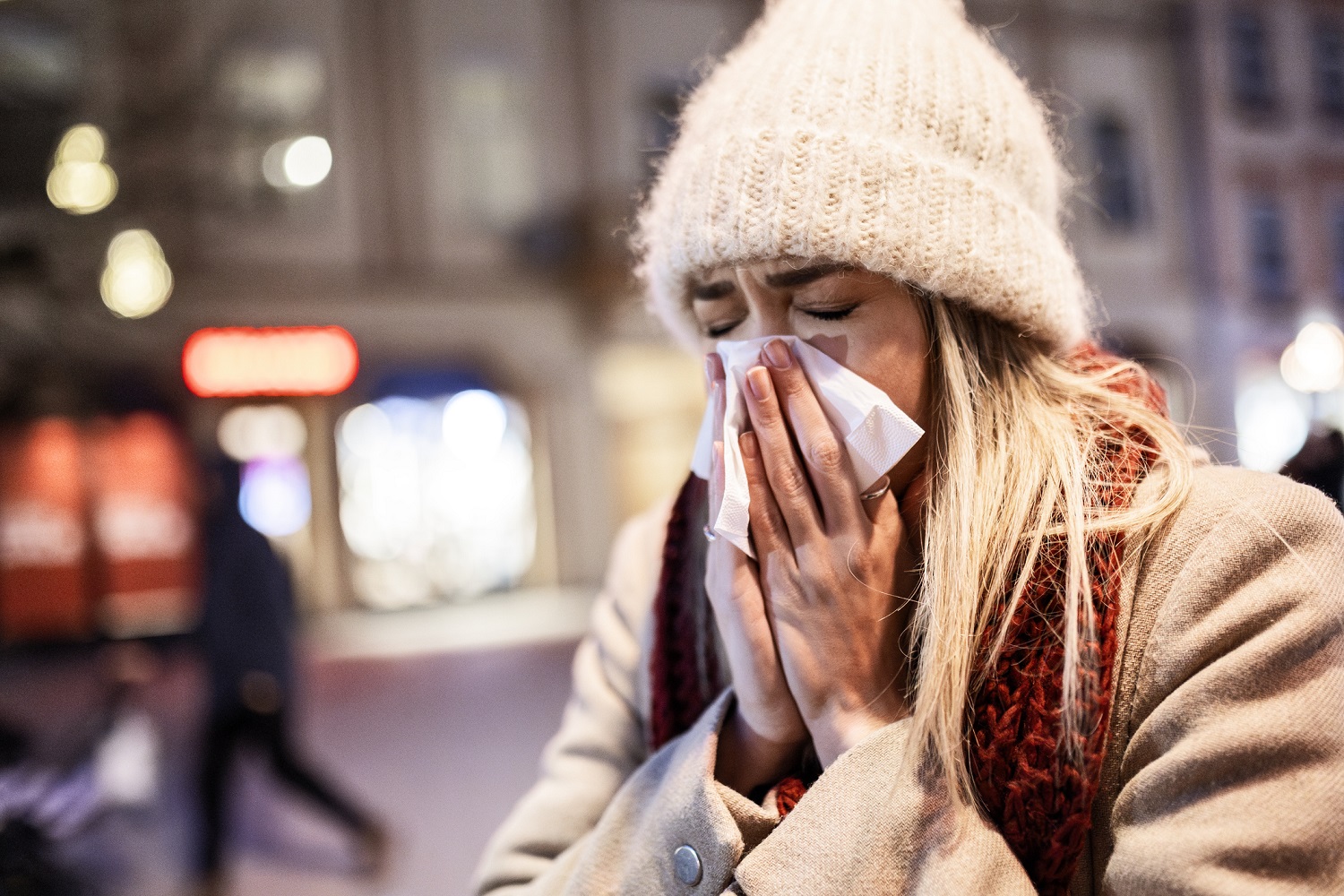
Holiday travel means crowded terminals, shared seats and close quarters, which is exactly where cold and flu transmission thrives. These practical tips help you stay healthy whether you're flying, riding the rails or hitting the road.
From pre-trip vaccines to a well-stocked travel kit, a little planning goes a long way when traveling during cold and flu season. Here's how to protect yourself and your family on every kind of holiday trip.
One of the best ways to give your immune system a fighting chance against holiday-season illness is to get the right vaccines.
“Getting your annual flu shot and staying up to date on COVID-19 and RSV vaccines can be vital to keeping yourself and those around you healthy,” said Hadia Younis, M.D., a primary care physician with Inspira Health. “Who should get which vaccine and when depends on age, health, pregnancy status, immunization history and other factors, so it is best to work with your primary care physician to determine which shots you’re due for.”
In addition to asking your provider which vaccines are recommended for you and your family, make sure there is enough lead time to build effective protection before your travel plans start.
The Centers for Disease Control and Prevention (CDC) lists regular handwashing and cleaning high-touch surfaces as key steps for preventing respiratory illness. When soap and clean running water aren’t available for handwashing, carry hand sanitizer as a backup.
During holiday travel, clean your hands after touching airport security bins, opening and closing doors, using restrooms, pumping gas or touching handrails and tray tables and before eating.
“Crowded airport restaurants, security lines, boarding areas and airplanes themselves can be close-contact moments with people who may be sick,” said Dr. Younis. “Consider wearing a well-fitted mask in these situations to create a physical barrier between you and the potentially infectious droplets and particles others are breathing out.”
Public transit like trains can mean sharing stabilizing poles, seats and bathrooms, as well as sitting for long periods in enclosed spaces. If possible, sit where there's less crowding and use overhead vents and open windows when available. You can also carry sanitizing wipes for handrails, armrests, seat-back tables and restroom surfaces.
Cars let you control much of the environment. Keep the car ventilated, wipe down shared surfaces like door handles and the steering wheel and travel only with passengers who feel well.
Always avoid driving if you're feeling ill or taking cold medication that causes drowsiness.
“Preparation can go a long way if you or a family member falls ill while away from home,” said Dr. Younis. “Children and others with compromised immune systems can especially benefit from having a thermometer, tissues, sanitizer, masks, prescriptions and at-home test kits packed and ready. It can also be helpful to have the contact information of your family’s primary care physicians and even the address for the nearest urgent care at your destination on hand.”
Family may be thrilled to see you walk through the door, but they'd rather you not bring an uninvited guest in the form of a bug.
“Adjusting holiday plans can be upsetting, but it’s best to stay home when you have respiratory symptoms. Wait until you’ve been fever-free for a few days without fever-reducing medicine before heading out,” shared Dr. Younis. “Trouble breathing or chest pain may warrant emergency care, and high-risk travelers should always consult with a provider about their plans.”
Exploring flexible tickets and travel insurance can make staying home an easier option.
Nobody wants to end their seasonal celebrations by getting sick, and older adults, young children, pregnant people and anyone with a chronic condition or weakened immune system should take extra care. Following these steps and checking in with a primary care provider before travel can help you and your family enjoy a healthy holiday season.
Learn more about getting the right care year-round with Inspira Primary Care.

From caring for her husband with Alzheimer's to her own cancer treatment, Lynn Keyser shares how Dr...

THC edibles can look like candy, making accidental ingestion a growing concern for families. Learn...

Although cannabis is now legal in New Jersey, consuming too much or mixing it with other substances...