
What becomes of a broken heart? As is turns out, a serious—but temporary—health issue.

A heart failure diagnosis can raise a lot of questions, and we’re here to help you find answers. Learn what heart failure is, which symptoms to watch for, how it’s diagnosed and treated, and how Inspira cares for patients.
Despite its name, heart failure doesn’t mean the heart has stopped beating. Instead, the heart isn’t working as well as it should. Doctors measure how well it pumps using ejection fraction, also known as Left Ventricular Ejection Fraction (LVEF), which is the percentage of blood in the left ventricle that is pumped out with each beat. A healthy LVEF typically falls between 50 and 70 percent, and a lower number can be a sign of heart failure.
Heart failure is often described by the side of the heart it affects. Left-sided heart failure is the most common type and can cause fluid to back up into the lungs, while right-sided heart failure often leads to swelling in the legs, ankles, and abdomen. Left-sided heart failure is further divided into two forms: systolic heart failure (reduced ejection fraction), in which the heart muscle is too weak to pump well, and diastolic heart failure (preserved ejection fraction), in which the heart is too stiff to fill properly. Any type of heart failure can become acutely decompensated, which occurs when symptoms suddenly get worse and require emergency care.
Many conditions can cause heart failure, including coronary artery disease, high blood pressure, past heart attack, valve disease, and congenital heart defects. Diabetes, obesity, and smoking can also raise the risk and knowing the cause helps your care team choose the most effective treatment.
Common heart failure symptoms include shortness of breath, especially when at rest or lying flat, fatigue, swelling in the legs, ankles, feet or abdomen, sudden weight gain, a persistent cough, and a rapid heartbeat.
Call 9-1-1 if you or a loved one experiences symptoms that suddenly worsen.
If you’re showing possible signs of heart failure, your doctor will start with a physical exam and a review of your medical history. From there, your doctor may order tests to confirm a diagnosis and learn more about your heart health. These can include an electrocardiogram (EKG), chest X-ray, or blood tests, such as b-type natriuretic (BNP). An echocardiogram is one of the most important tools, since it measures your left ventricular ejection fraction. In some cases, you may also need a stress test, cardiac magnetic resonance imaging (MRI), or cardiac catheterization for a closer look at your heart.


Drugs such as beta-blockers, ACE inhibitors, ARBs, or ARNIs, SGLT2 inhibitors, diuretics and other medications can help your heart work more efficiently, ease symptoms and reduce fluid buildup.

A low-sodium diet, daily weight checks, regular physical activity, and supervised cardiac rehab can help you manage symptoms and feel stronger.
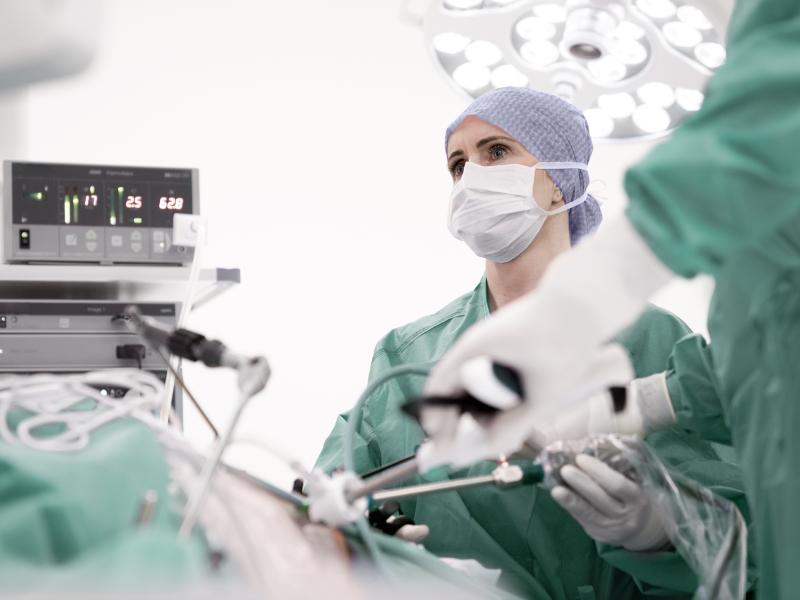
Your care team may recommend an implantable device, such as an implantable cardioverter-defibrillator (ICD), cardiac resynchronization therapy (CRT) device or left ventricular assist device (LVAD), a procedure to repair a heart valve or, in advanced cases, a heart transplant.
Inspira takes a team-based approach to heart failure treatment. This team comprises cardiologists, heart failure specialists, nurses, pharmacists, dietitians, and rehabilitation staff who work side by side to support your care. Together, they create a treatment plan tailored to your type and stage of heart failure, as well as your overall health, lifestyle, and personal goals.
As your needs change, your team will monitor your condition through regular follow-up visits and adjust medications and treatments to keep your heart working as well as possible. You can also learn practical ways to manage your condition at home, such as tracking your weight and following a heart-healthy, low-sodium diet. Your doctor may recommend cardiac rehabilitation, which can help you rebuild strength and confidence through supervised exercise and education.
Heart failure can affect the whole family, so your care team will share resources to help your loved ones understand your condition and support you. Family and friends are welcome to join appointments, ask questions and learn alongside you, so they can help you manage your care at home.

What becomes of a broken heart? As is turns out, a serious—but temporary—health issue.

White coat hypertension is when blood pressure rises only during medical visits due to stress or...
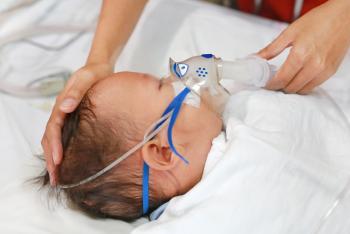
Respiratory syncytial virus (RSV) is a common respiratory infection that can be serious for infants...

Learn more about our online scheduling and schedule an appointment with your provider today.

We offer a wide variety of services at our many locations throughout New Jersey, including award-winning obstetrics and gynecology, cancer care and orthopedics.

World class care is in your backyard. Learn more about our local and nationally renowned physicians.