


Endoscopic sleeve gastroplasty (ESG) is an incision-free, same-day weight loss procedure that...
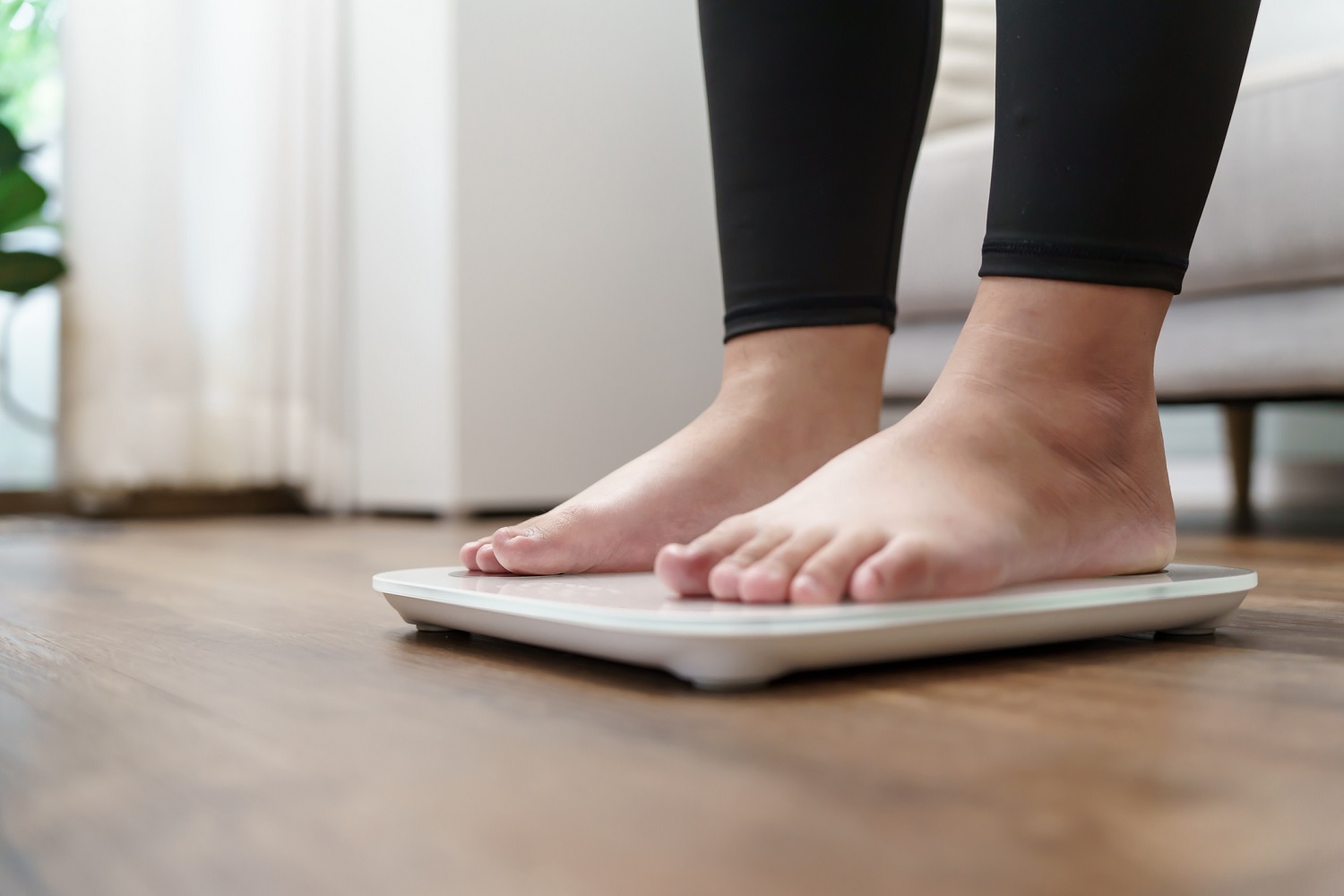
Before making any decisions about your weight loss journey, it helps to understand the two leading approaches in medical weight management: GLP-1 medications and bariatric surgery.
Learn how each option works, what you can expect in terms of results and side effects and which factors may steer you toward one path over the other. Whether you’re looking for a nonsurgical solution or you’re considering a more permanent surgical intervention, these answers will give you the insights you need to start a conversation with your care team.
“GLP-1 agonists are drugs that mimic a natural gut hormone to slow stomach emptying, reduce appetite and enhance insulin release when you eat,” said Derek A. Stephenson, MD, board certified general and bariatric surgeon at Inspira Medical Center Vineland. “Although they were first approved to help manage blood sugar in type 2 diabetes, these medications can also trigger substantial weight loss.
Throughout a single year, many patients lose approximately 10 to 15 percent of their initial body weight, accompanied by improvements in blood pressure and cholesterol.
Most people experience mild to moderate nausea and occasional vomiting or diarrhea at the beginning of treatment, but these symptoms usually subside within a few weeks. Your provider will start with a low dose and gradually increase it, giving your body time to adjust. Because weight tends to plateau once you reach your highest tolerated dose, ongoing use is necessary to maintain your results. Stopping the medication often leads to gradual weight regain.
“Bariatric surgery involves physically altering the digestive tract to reduce calorie absorption and limit food intake,” said Dr. Stephenson. “The two most common procedures are gastric bypass, which creates a small stomach pouch and reroutes part of the small intestine, and sleeve gastrectomy, which involves removing about 80 percent of the stomach.” Unlike medications, surgery typically produces more rapid and dramatic weight loss; patients often lose 20 to 30 percent of their body weight within the first year.
Patients who undergo bariatric surgery not only lose more weight but also see higher rates of type 2 diabetes remission, often reducing or eliminating the need for diabetes medications. However, surgery carries the risks inherent to any major operation, including infection, bleeding or leaks at surgical connections. After surgery, lifelong supplementation with vitamins and minerals is essential to prevent deficiencies. There are also potential side effects to consider, including dumping syndrome, a condition in which food moves too quickly from the stomach into the small intestine after a meal, leading to gastrointestinal symptoms.
According to a recent JAMA analysis of randomized trials with up to 12 years of follow-up for patients with type 2 diabetes, those who had bariatric surgery maintained nearly 20 percent weight loss at seven years, while those managed with medications and lifestyle changes kept off about 8 percent. “The surgery group was also more likely to achieve lasting diabetes remission and to reduce cardiovascular risk factors without as many ongoing prescriptions,” said Dr. Stephenson.
Deciding between GLP-1 therapy and bariatric surgery depends on your health profile, weight loss goals and personal preferences. Key factors include:
Start with a comprehensive evaluation by a multidisciplinary weight management team. You’ll review your medical history, past weight-loss efforts, lab results and any obesity-related conditions. Your team will outline the potential benefits and risks of each option in the context of your lifestyle and goals.
Yes. “Some patients begin with GLP-1 therapy to lose weight and reduce the potential for complications during surgery,” said Dr. Stephenson. “Others may consider restarting medication after surgery if weight plateaus or if metabolic control needs enhancement.” Your care team can help you adjust your treatment plan over time to optimize outcomes.
Schedule a medical weight management appointment to discuss your options. Whether you move forward with medication, surgery or a tailored combination, you’ll receive ongoing support, education and follow-up to help you achieve and sustain a healthier weight.
Schedule a medical weight management appointment at Inspira.

Endoscopic sleeve gastroplasty (ESG) is an incision-free, same-day weight loss procedure that...

Revisional bariatric surgery may be an option for people who have experienced weight regain...

After a lifetime of struggling with her weight and managing diabetes with multiple daily insulin...