


THC edibles can look like candy, making accidental ingestion a growing concern for families. Learn...
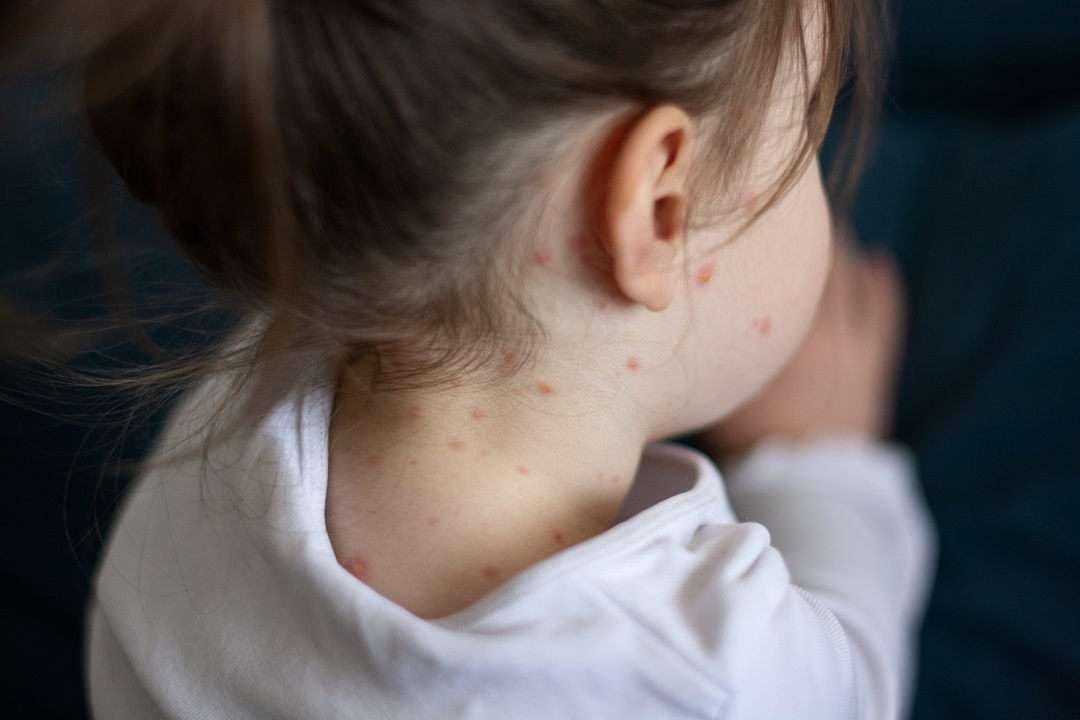
Measles still poses serious health risks, especially for infants and young children.
While measles outbreaks are preventable, they continue to occur when vaccination rates drop. Here’s what parents and caregivers should know about measles, how it spreads and how to protect their families.
“Measles is a highly contagious viral illness that infects the respiratory system and then spreads throughout the body,” said Paul Kouyoumdji, M.D., a pediatrician with Inspira Health. “It spreads through the air when an infected person coughs, sneezes or breathes.” The virus can linger in the air for up to two hours after someone leaves a room, making it very easy to catch in group settings.
Measles spreads more easily than most viruses. It can infect people before symptoms appear and for days afterward. Without immunity, up to 90 percent of people exposed to measles will become infected. Because of this, measles can spread quickly through communities with low vaccination rates.
Measles affects all ages, but complications are more common and severe for:
Possible complications include pneumonia, severe dehydration, brain inflammation (encephalitis) and, in rare cases, death.
Symptoms usually appear seven to 14 days after exposure and often start with:
A few days after symptom onset, small white spots may appear inside the mouth, followed by a red, blotchy rash that typically begins on the face or hairline and spreads downward across the body.
Vaccination is the most reliable way to protect against measles and stop its spread in the community.
For children, the Centers for Disease Control and Prevention (CDC) recommends two doses of a measles-containing vaccine, most often the measles, mumps and rubella (MMR) vaccine. “The MMR vaccine provides strong, long-lasting protection,” said Dr. Kouyoumdji. “Most children who receive both doses develop immunity that lasts into adulthood.”
The first dose is typically given between 12 and 15 months of age. A second dose is given between the ages of four and six, before a child starts school. In some cases, the second dose may be given earlier, as long as it’s at least four weeks after the first.
Most adults need only one dose of the MMR vaccine, unless they have certain risk factors or work in settings with higher exposure. Many adults are already immune due to childhood vaccination or prior infection, and routine blood testing to confirm immunity is usually unnecessary outside outbreak situations.
If you’re unsure whether you or your child is up to date on measles vaccination, your doctor can review your records and help determine what’s needed. “People who are not fully vaccinated should talk with their doctor about measles protection,” said Dr. Kouyoumdji. “When medically appropriate, the MMR vaccine is safe and effective, and your doctor can help determine the right schedule.”
If your child has been exposed to measles or develops symptoms:
Vaccination protects not only the individual but also the community through what’s known as herd immunity. “When most people are vaccinated, measles is less likely to spread,” said Dr. Kouyoumdji. “This helps protect infants who are too young to be vaccinated and people who cannot receive vaccines for medical reasons, such as those with certain medical conditions.”
Vaccinating more people stops outbreaks, reduces hospitalizations and eases hospital strain.
It’s normal to have questions. We always encourage families to discuss concerns openly and rely on evidence-based information when making decisions.
Vaccines remain one of the most effective tools we have to protect children from serious illness. Having honest conversations helps families feel informed and confident in protecting their child’s health.
Measles is preventable but remains a threat when immunity declines. Keeping up with vaccinations and knowing illness signs helps protect your child and the community.
Have questions about measles or vaccines? Talk to your pediatric care team.

THC edibles can look like candy, making accidental ingestion a growing concern for families. Learn...

Although cannabis is now legal in New Jersey, consuming too much or mixing it with other substances...

Tailgates, concerts and sporting events bring excitement, but they can also pose real safety risks...