


Prenatal appointments are one of the most important parts of a healthy pregnancy, and a little...

Motherhood is often described as joyful, but for many women, it can also feel overwhelming, unpredictable and, at times, deeply isolating.
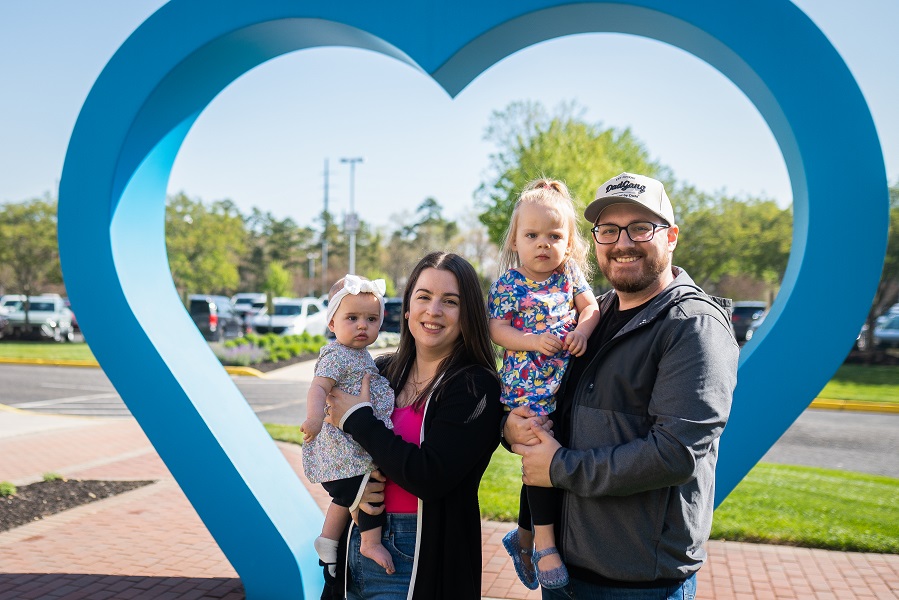
For Rachel White-Giambrone, the transition into motherhood after the birth of her first daughter was not what she had imagined. “I just went into survival mode,” she said. “I never really dealt with what happened. I just kept going.”
What Rachel did not realize at the time was that she was carrying the weight of birth trauma and postpartum depression. Her journey to healing would not only change her perspective on motherhood but also transform the way she experienced the birth of her second child.
Rachel, a lifelong South Jersey resident now living in Franklinville with her husband and growing family, had always envisioned becoming a mom. But her first pregnancy and delivery at a different hospital quickly became overwhelming.
At 37 weeks, Rachel was induced due to rising blood pressure. After several days of labor and multiple interventions, her epidural failed, and she ultimately needed an emergency C-section. “I did all this work for three days, and then the baby got stuck,” she said. “I just felt really out of sorts. I felt like the choices weren’t mine to make.”
After delivery, Rachel developed postpartum preeclampsia and required intensive treatment. She was unable to fully experience those first moments with her newborn. “I didn’t even get to see my baby,” she said. “They took her out of the room, and I was just alone and very freaked out.”
Later, during treatment, that separation continued, and Rachel remained in the hospital for a week and a half. “I couldn’t hold my daughter or be alone with her,” she said. “I felt like a caged animal in the hospital. I was just trapped there.”
When she returned home, she focused on caring for her daughter and recovering physically. But emotionally, the experience remained unaddressed. “I never actually dealt with the birth trauma,” she said. “I kind of buried it, and that led to what I now know was postpartum depression.”
Despite everything, Rachel and her husband had always imagined a bigger family. “We always envisioned having two kids running around our backyard,” she said. The idea of another pregnancy was overwhelming, but at the same time, she could not shake the feeling that something was missing.
“It felt like there was a chair at the table for someone who wasn’t there yet,” she said. That realization led her to seek support through Inspira’s perinatal mental health program.
“At first, therapy was really out of my comfort zone,” she said. “Mental health wasn’t something we talked about growing up. I didn’t really understand how it would help.” But she also knew she could not keep handling it on her own.
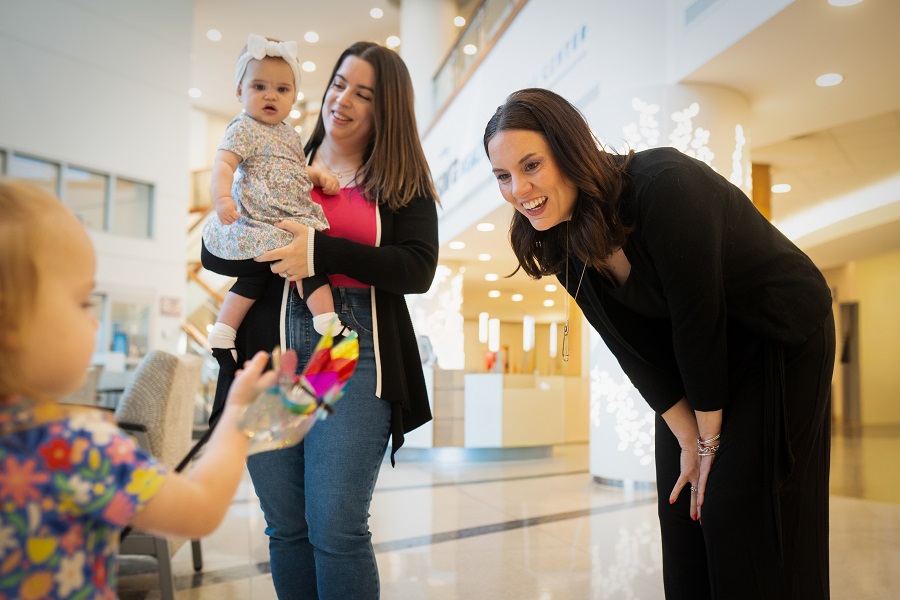
Through weekly sessions with her therapist, Susan Gonzalez, Rachel began working through her birth trauma and other life experiences she had never fully processed.
“We worked through everything, even things I didn’t even realize were contributing to my anxiety,” Rachel said. “I started to feel more in control. Susan helped me learn how to advocate for myself. She told me, ‘We’re going to put you in the driver’s seat this time.’”
Rachel developed practical tools, including grounding techniques, breathing exercises and strategies to manage anxiety, especially around medical triggers like blood pressure checks.
Before becoming pregnant again, Rachel also met with Inspira’s maternal-fetal medicine team to prepare. She also created a postpartum plan outlining how she would care for herself, who she would lean on and how she would manage challenges.
“I went into my second pregnancy knowing I had tools, support and a plan,” she said.
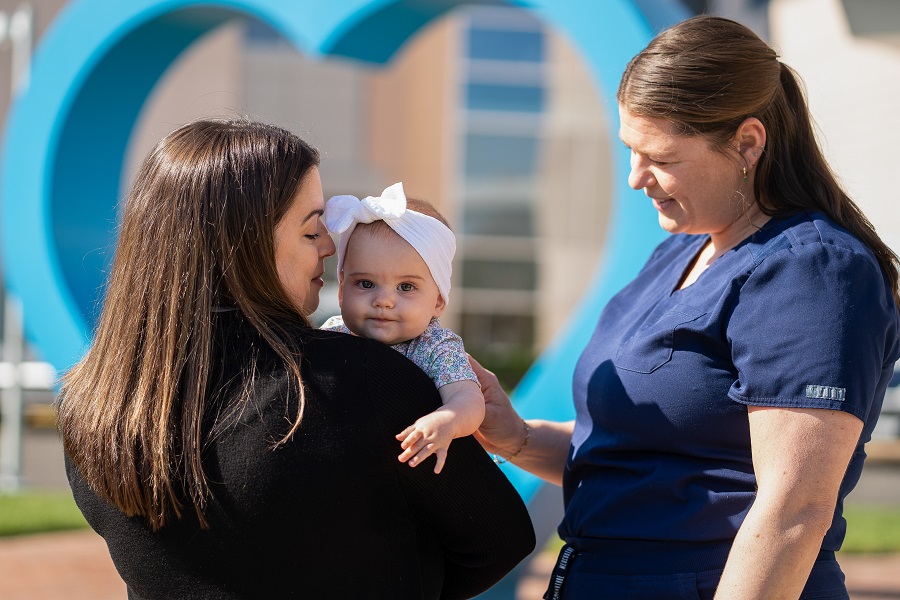
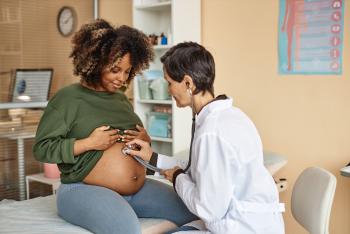
During her second pregnancy, Rachel said the difference in care was clear. At prenatal appointments, she spoke openly about her previous experience and what she needed to feel safe. “When I explained my birth trauma, people stopped and really listened,” she said. “Nobody gave me any sort of grief about it.”
That response had a powerful impact—even routine moments that once caused anxiety became more manageable. This kind of communication reflects Inspira’s commitment to a TeamBirth approach, which encourages open dialogue between patients, support partners and care teams. The goal is to ensure every patient feels heard, informed and involved in decisions throughout labor and delivery.
One interaction stood out in particular. During a maternal-fetal medicine appointment, Rachel met nurse Sarah Kazarnowicz. “When I told her about my birth, she stopped what she was doing, sat down with me and looked me right in the eye,” Rachel said. “She said, ‘I’m going to take great care of you.’ And I believed her. I felt seen.” From that point on, Rachel said she felt more confident walking into appointments, knowing she would be treated with compassion and understanding.
Rachel had a scheduled C-section planned at 39 weeks and felt ready for the experience ahead.
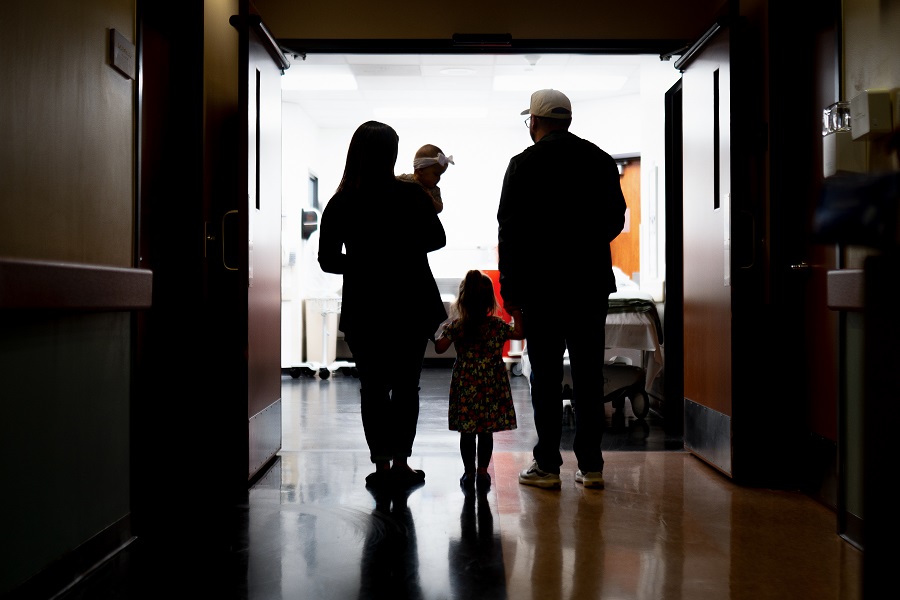
Then, two days before her scheduled delivery, Rachel went into labor. “I had never gone into labor by myself, so I didn’t even realize what was happening at first,” she said. When she arrived at Inspira Medical Center Vineland, she learned her OB/GYN would not be available for the delivery. But there was a familiar face in the room: Sarah, the nurse she had met earlier in her pregnancy.
Things weren’t going as planned, but this time Rachel approached the situation differently. “That was the biggest growth for me,” she said. “I knew I had to advocate for myself. And I felt comfortable with Sarah there with me the whole time.” She spoke up about her concerns and asked for a provider she felt comfortable with. A female OB stepped in to perform a C-section.
Remembering a very different experience, Rachel recalls: “It was calm, people were talking, even laughing. It was completely different.” For the first time, she was able to experience the moments she had missed before. “I got to hold my baby right away. I had the skin-to-skin time. It felt like a redemption story.”
Her recovery was smooth as well. Her blood pressure remained stable, and she returned home within two days.
Today, Rachel is raising her two daughters in South Jersey with her husband and their three dachshunds, surrounded by the life they had always imagined. “We always dreamed about this,” she said. “Having our family, our home, our kids running around the backyard.”
Her experience reshaped how she views both motherhood and mental health. “Motherhood is hard, but there is support out there. You don’t have to do it alone,” she said.
Rachel hopes her story encourages other women to seek help when they need it. “If something feels off, if you’re struggling, talk to someone,” she said. “There are people who will listen and help you through it.”
Prenatal appointments are one of the most important parts of a healthy pregnancy, and a little...

Inspira Health's expanded maternity unit at Inspira Medical Center Mullica Hill is now open...
First-time mom and Mullica Hill nurse Kelly Caltabiano shares how Inspira’s rapid, team-based...