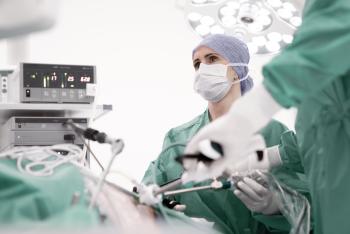
Once your bariatric procedure is over and the healing process has begun, you will need to adjust to a whole new way of eating. Because your stomach will have changed in shape and size, following your surgeon’s staged diet progression instructions and portion control will play a critical role in your diet. This means you should eat smaller and more frequent meals to ensure you receive a range of vital nutrients.
Typical Post-Bariatric Procedure Diet and Nutrition Schedule
In the initial weeks following surgery, your digestive system can only tolerate liquids, followed by pureed/blended foods, then soft foods. Following a staged diet for the first four weeks after surgery will help your stomach heal.
Stages include:
- Clear liquids (48-64 oz. daily): Water, broth, sugar-free popsicles, decaf tea and coffee, and other sugar-free, non-carbonated beverages
- Full liquids (64 oz. daily): Strained low-fat cream soup, fat-free milk or sugar-free non-dairy milk, protein shakes, low-fat sugar-free yogurt and pudding
- Pureed foods (2 oz. per meal): Protein-packed foods pureed to a baby food consistency
- Soft foods (4 oz. per meal): Foods easily mashed with a fork, such as lean ground meats, poultry and fish; canned tuna or salmon; scrambled eggs; beans; tofu; soft-cooked vegetables; fruits canned in natural water or juice
- Regular diet (4-8 oz. per meal): Healthy, low-fat and low-sugar foods, focusing on protein first
Portion control is key to a healthy diet after surgery. You may have to adjust to eating small meals throughout the day instead of three big meals to limit your portions and avoid weight gain or complications post-surgery.
Note: This is a general guide. Please contact your Registered Dietitian or bariatric coordinator for more specific information on what you should eat after your procedure.
Why is Protein so Important After Bariatric Procedures?
If you don’t incorporate enough protein into your diet after a bariatric procedure, you may experience protein-deficiency symptoms such as weakness, poor wound healing or hair loss. Your body cannot store protein for long, which is why it’s key to consume enough protein at each meal. Protein shakes are a great way to get your required protein in daily, especially when you are on a liquid diet.
Foods to Avoid After Bariatric Surgery
Those who have had bariatric surgery may be more sensitive to foods high in fat and sugar and can develop “dumping syndrome” if those foods are consumed. Dumping syndrome happens when your stomach rapidly empties its contents into your small intestine and can result in uncomfortable side effects such as diarrhea, nausea, lightheadedness or fatigue after a meal.
In general, the following foods and drinks should be avoided or limited after a bariatric procedure:
- Rice, bread and pasta
- Dry or tough meats
- High-sugar and high-fat foods
- Fibrous vegetables like raw celery, asparagus and raw cabbage
- Carbonated beverages
- Whole or 2 percent milk
- Fruit juice
- Smoothies
- Energy drinks and caffeinated beverages
- Alcohol