
Tara Butler navigated breast cancer surgery, chemotherapy and radiation with personalized care at...

Blood cancers can have a profound impact on daily life, and the uncertainty of living with these conditions can lead to significant challenges, from managing symptoms to navigating emotional and social changes, while requiring ongoing support and care.
Blood cancers affect blood cell production and function, primarily in the bone marrow or lymphatic system. They happen when genetic mutations cause abnormal blood cells to grow uncontrollably, crowding out healthy cells and leading to issues like anemia, infections and impaired clotting.
While the exact cause of blood cancer is unknown, risk factors include exposure to radiation or harmful chemicals, genetic conditions like Down syndrome, family history, and age. Most cases occur in adults, though some types, such as leukemia, also affect children.
Symptoms of blood cancers vary depending on the disease type and stage, but common signs include:
Blood cancer diagnosis involves reviewing medical history, physical exams, and tests like complete blood count (CBC) that can reveal abnormal cell levels, bone marrow biopsy that helps confirm the presence of cancerous cells, and imaging scans (X-ray, CT). Flow cytometry analyzes blood or marrow cells for abnormalities, and lymph node biopsies can confirm lymphoma. These tests work together to determine the cancer’s type, severity and extent, guiding the overall treatment approach.
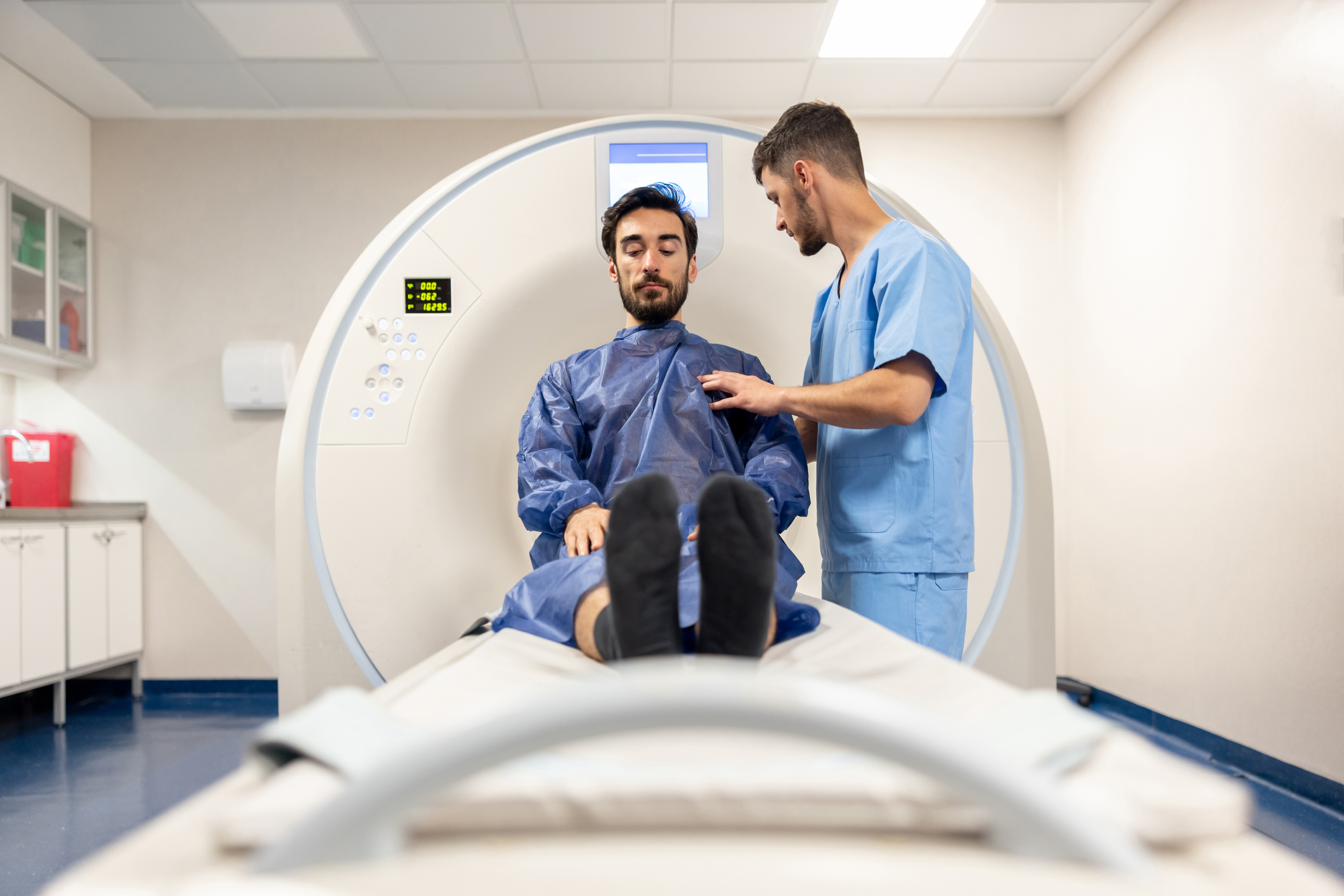

Chemotherapy uses powerful drugs to kill or control cancer cells. It is often the first line of treatment for blood cancers like leukemia and lymphoma and can be administered orally or intravenously.
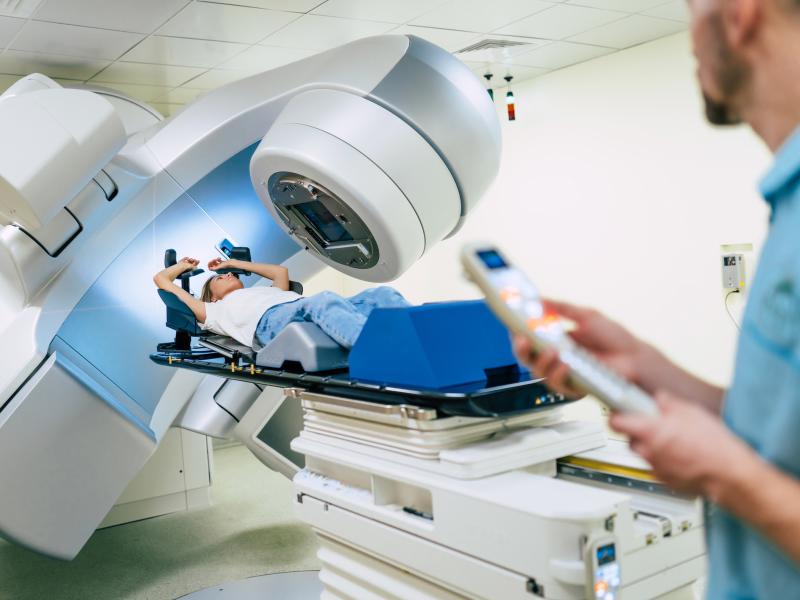
High-energy radiation targets and kills cancer cells and is commonly used in lymphoma treatment or to shrink tumors before other treatments like a bone marrow transplant.
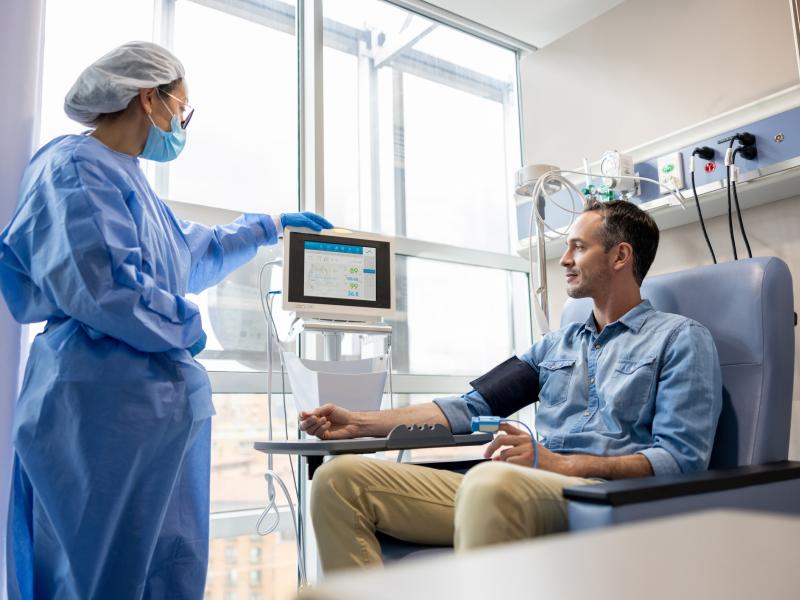
This treatment boosts the immune system to help fight cancer cells. This approach is used for some types of lymphoma and leukemia, using drugs that stimulate immune cells to recognize and attack cancer cells.

Targeted cancer therapy focuses on specific molecules or genetic mutations contributing to cancer cell growth. It is often less toxic than chemotherapy and is especially helpful in cases with known genetic abnormalities.

Supportive care includes treatments like blood transfusions, antibiotics and pain management to help manage symptoms and side effects and improve overall quality of life during or after treatment.

This treatment involves replacing damaged bone marrow with healthy stem cells from a donor or the patient’s own cells. This treatment can be used for conditions like leukemia and multiple myeloma after initial treatments like chemotherapy.
At Inspira, our multidisciplinary team includes hematologists, oncologists, pathologists, specialized nurses and more who collaborate to create personalized treatment plans.
Treatment for blood cancers requires ongoing monitoring and support, and we are committed to making care as accessible and convenient as possible. With oncology locations throughout South Jersey, we offer infusion services, advanced diagnostic testing and supportive care close to home.

Tara Butler navigated breast cancer surgery, chemotherapy and radiation with personalized care at...

HPV is one of the most common viral infections in the United States and is linked to several types...

Diagnosed on April Fool’s Day, Missy Cosgrove shares her stage 2 breast cancer journey and how...

Learn more about our online scheduling and schedule an appointment with your provider today.

We offer a wide variety of services at our many locations throughout New Jersey, including award-winning obstetrics and gynecology, cancer care and orthopedics.

World class care is in your backyard. Learn more about our local and nationally renowned physicians.