

Tara Butler navigated breast cancer surgery, chemotherapy and radiation with personalized care at...

Bone cancer can cause persistent pain and reduced mobility, making daily activities more challenging. Its physical and emotional effects often impact work, relationships, and overall quality of life, highlighting the need for comprehensive care and support.
Bone cancer starts in the bone tissue, where abnormal cells grow uncontrollably. It develops when these malignant cells disrupt regular bone architecture, potentially weakening the bone and leading to complications such as pain and fractures.
Risk factors for developing bone cancer include genetic predispositions, previous exposure to radiation therapy, certain inherited conditions and preexisting benign bone disorders such as Paget's disease of bone (osteitis deformans). These factors can increase the likelihood of malignant transformation in bone tissue, making early detection and intervention crucial for managing the disease.
Bone cancer symptoms can vary depending on the location and stage of the disease, but common signs often include persistent pain and changes in bone strength. Symptoms may include:
Bone cancer diagnosis begins with X-rays and advanced imaging like CT scans and MRIs to detect abnormal growth. A biopsy confirms cancer by examining tissue under a microscope. Combined with a medical history and physical exam, these tests help identify the cancer’s type and stage, guiding treatment.
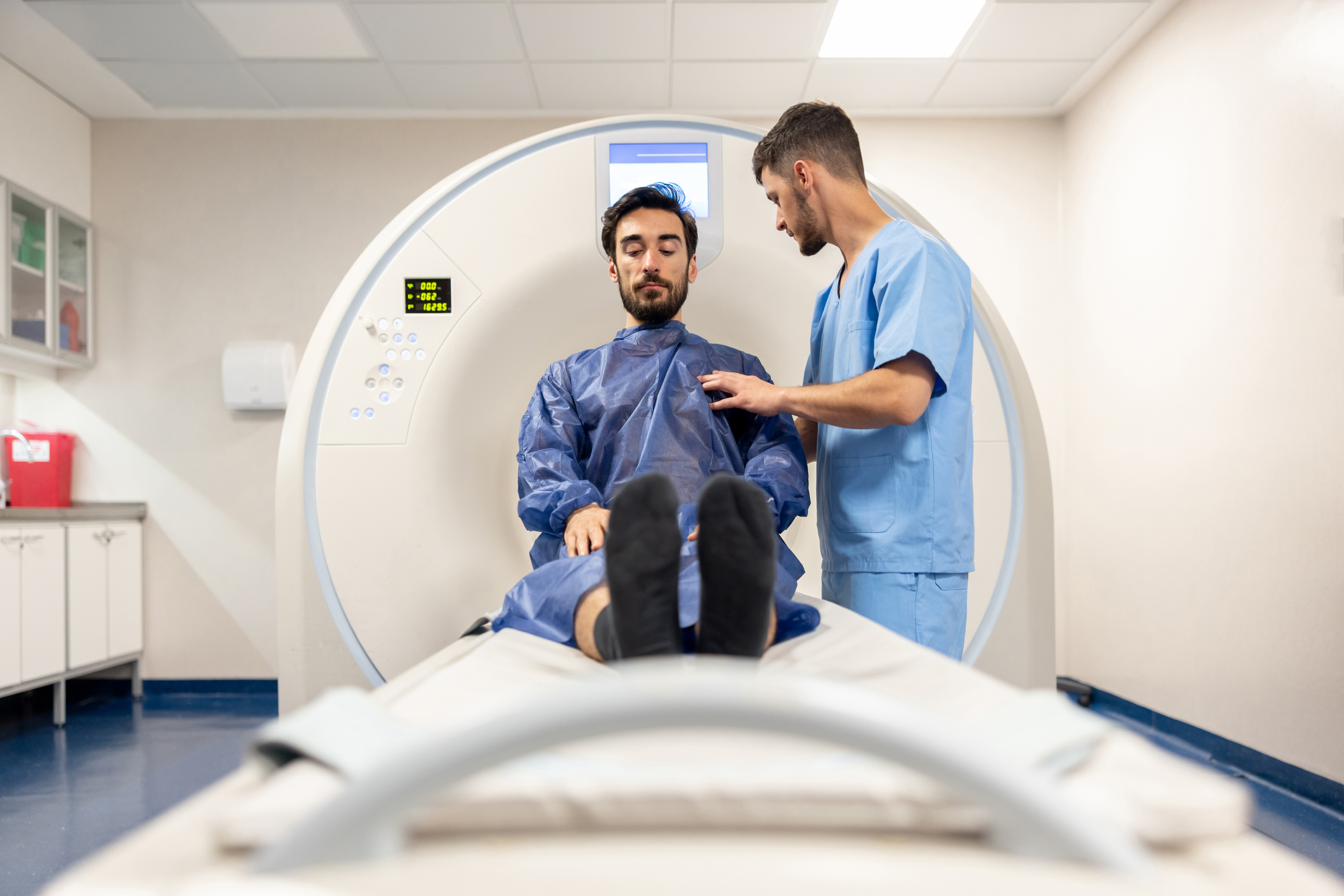

Chemotherapy uses drugs to kill cancer cells and is often given before surgery (neoadjuvant) to shrink tumors or after surgery (adjuvant) to eliminate any remaining cancer cells. It can also control the spread of metastatic bone cancer.
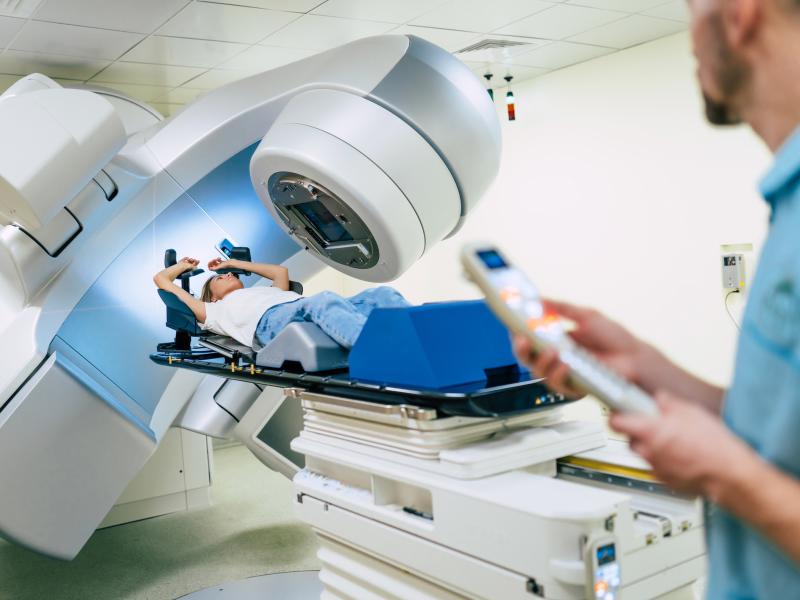
Radiation therapy employs high-energy rays to target and destroy cancer cells and is especially useful when tumors are inoperable or as an adjunct to surgery. It helps reduce tumor size and alleviate pain in advanced cases.

Immunotherapy aims to boost the immune system to recognize and combat cancer cells, and it is emerging as a potential treatment in clinical trials. This approach may offer benefits when traditional therapies are less effective.
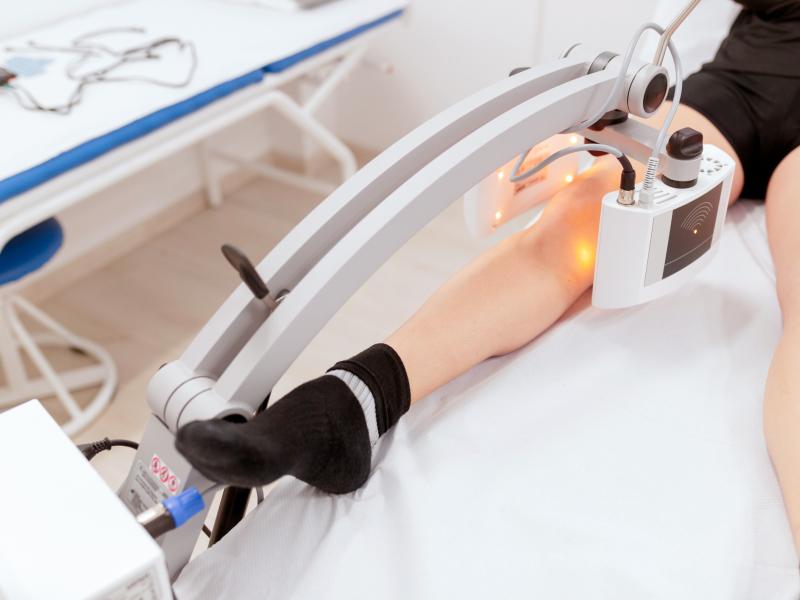
Targeted therapies specifically attack molecular pathways involved in cancer growth, offering a more personalized treatment approach. Though less common for bone cancer, they can be effective in cases with identifiable genetic markers.
Inspira's multidisciplinary team—including oncologists, orthopedic surgeons, radiologists, rehabilitation specialists and more—collaborates to develop a treatment plan tailored to your needs. Whether you're undergoing surgery, chemotherapy or rehabilitation, our team is here to support you with compassion and advanced treatment options; we offer comprehensive oncology care at multiple locations throughout South Jersey.

Tara Butler navigated breast cancer surgery, chemotherapy and radiation with personalized care at...

HPV is one of the most common viral infections in the United States and is linked to several types...

Diagnosed on April Fool’s Day, Missy Cosgrove shares her stage 2 breast cancer journey and how...

Learn more about our online scheduling and schedule an appointment with your provider today.

We offer a wide variety of services at our many locations throughout New Jersey, including award-winning obstetrics and gynecology, cancer care and orthopedics.

World class care is in your backyard. Learn more about our local and nationally renowned physicians.