

Tara Butler navigated breast cancer surgery, chemotherapy and radiation with personalized care at...

Brain cancer can significantly affect cognitive function and overall health, depending on the type and location of the tumor. Effective treatment options aim to manage symptoms, slow disease progression and improve overall quality of life.
Brain cancer occurs when abnormal cells grow uncontrollably in the brain, forming tumors that can affect movement, vision, memory, and emotions. It falls under central nervous system (CNS) cancers, a broader category that encompasses spinal cord tumors. Brain cancer can be primary (originating in the brain) or metastatic (spreading from another part of the body).
Brain tumors vary in type, growth, and treatment, so accurate diagnosis is key. While the exact cause is unknown, risk factors include radiation exposure, family history, genetic conditions like neurofibromatosis, age, and immune system weakness. Early detection through imaging and neurological exams is essential for improving treatment outcomes.
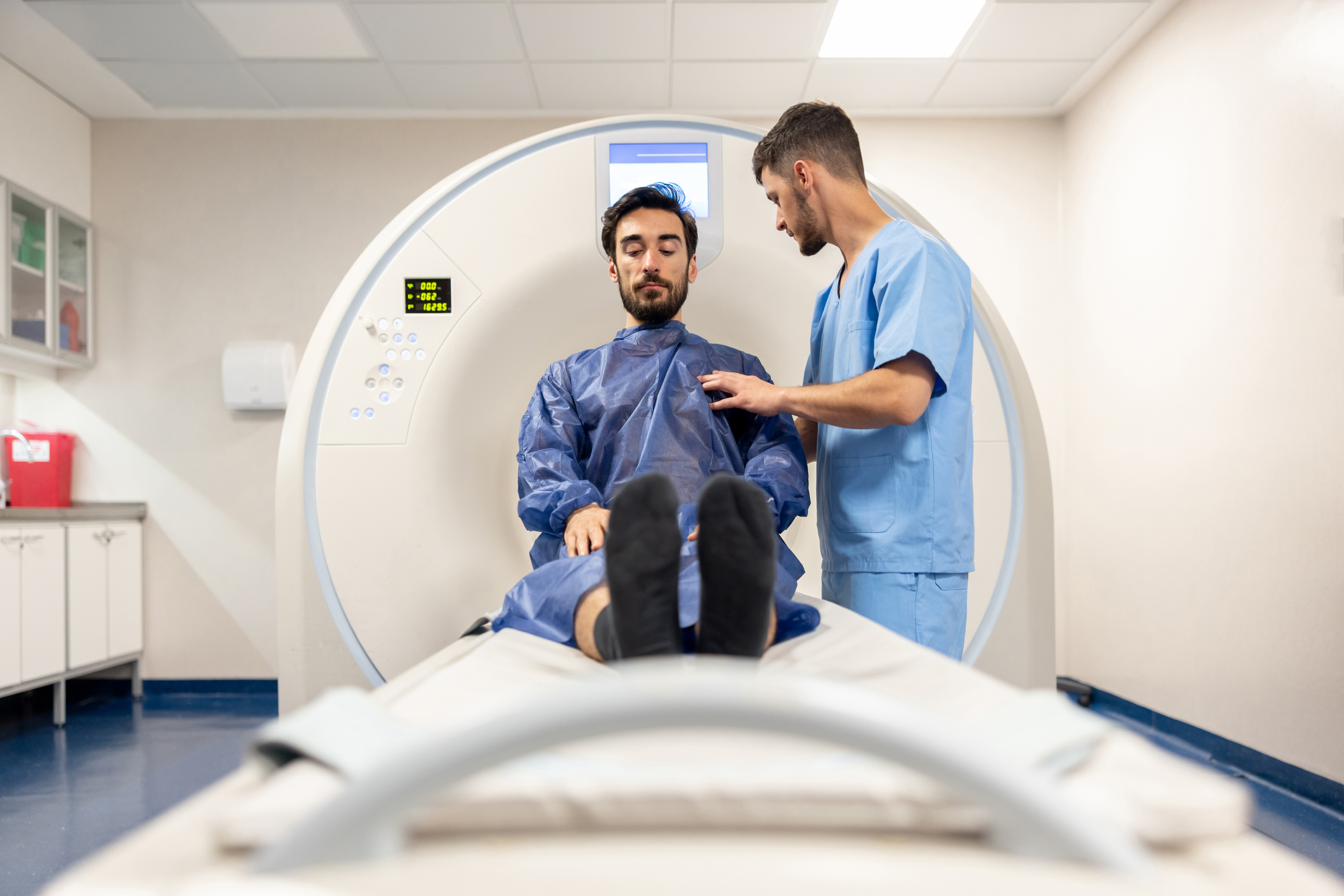
Diagnosing brain cancer involves reviewing medical history, neurological exams, and imaging tests like MRI or CT scans. A biopsy confirms the tumor type and whether it's benign or malignant. In some cases, PET scans assess tumor activity to help guide treatment planning.
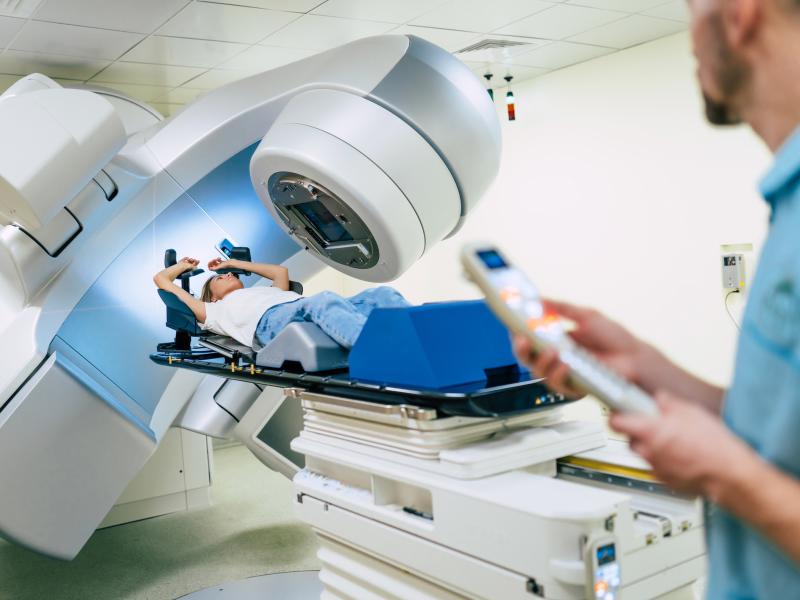
Surgical removal of the tumor is often the first treatment option for brain cancer, especially if the tumor is accessible. The goal is to remove as much of the tumor as safely as possible to reduce pressure on the brain and alleviate symptoms.

Chemotherapy involves using drugs to kill cancer cells or stop their growth. It can be administered orally or through an intravenous (IV) line and may be used alongside other treatments for more aggressive tumors.

Immunotherapy boosts the immune system to recognize and fight cancer cells. This treatment may be used for certain types of brain cancer that respond to immune system enhancement.

Targeted therapy focuses on specific molecules or genes involved in the growth of cancer cells. These treatments disrupt tumor growth and spread while minimizing damage to healthy cells.

Steroids may be prescribed to reduce inflammation and swelling around the tumor. They help manage symptoms like headaches and neurological issues during other treatments.
Palliative care focuses on improving the quality of life for patients by managing symptoms such as pain, nausea and fatigue. Your care team may recommend palliative care in combination with other treatments or when the cancer is advanced and curative options are limited.
Inspira offers a full range of treatment options, including surgery, radiation, chemotherapy and support therapies, to maximize quality of life and provide hope for recovery. Our multidisciplinary team, including neurologists, oncologists, surgeons and radiologists, works together to provide personalized care tailored to each patient’s needs. From diagnosis to treatment and beyond, we coordinate every aspect of cancer care.
Brain cancer diagnosis can be overwhelming, which is why we offer counseling, support groups, and resources to help loved ones stay informed, supported and prepared every step of the way.

Tara Butler navigated breast cancer surgery, chemotherapy and radiation with personalized care at...

HPV is one of the most common viral infections in the United States and is linked to several types...

Diagnosed on April Fool’s Day, Missy Cosgrove shares her stage 2 breast cancer journey and how...

Learn more about our online scheduling and schedule an appointment with your provider today.

We offer a wide variety of services at our many locations throughout New Jersey, including award-winning obstetrics and gynecology, cancer care and orthopedics.

World class care is in your backyard. Learn more about our local and nationally renowned physicians.