
A stroke took away Terry’s ability to read, speak clearly and walk on her own. She was certain her...

Rehabilitation for Parkinson’s disease can improve movement, balance and speech. Specialized programs can help patients maintain independence and confidence in daily life.
Parkinson’s disease is a progressive neurological condition that affects movement, speech and daily function. Common symptoms include tremors, stiffness, slowed movement and changes in voice or communication.
One of the most effective approaches is the Lee Silverman Voice Treatment (LSVT®) program. LSVT BIG® involves targeted Physical and Occupational Therapy exercises for Parkinson’s disease to improve mobility, strength and balance through large, purposeful movements. LSVT LOUD® addresses speech changes by training patients to speak with clearer, stronger voices. Both are evidence-based therapies shown to improve function for patients with Parkinson’s.
At Inspira, Physical, Occupational and Speech Therapists are specially trained in LSVT BIG and LOUD to provide individualized care. These programs go beyond symptom management, empowering patients to regain confidence, communicate more effectively and move more freely in their daily lives.
Structured programs, such as LSVT BIG and LOUD, are often combined with supportive therapies to address both movement and communication, including:
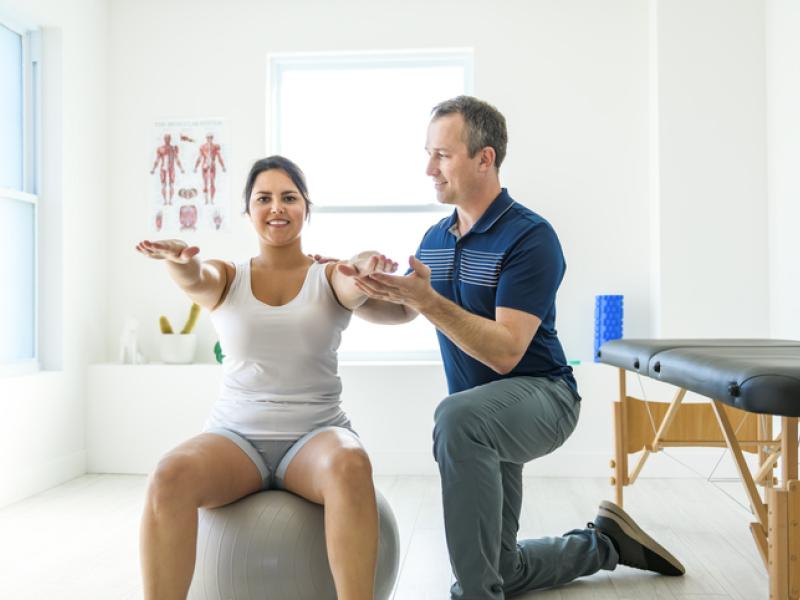
Strength training, stretching, aerobic exercise and balance activities can be performed to support endurance, mobility and overall health.

Task-specific training involves practicing functional activities, like standing up, walking or dressing, to improve independence and safety.

External cues, such as rhythm, counting or visual guides, can help patients overcome freezing episodes and support smoother movement.
Together, these approaches form a comprehensive Parkinson’s rehabilitation program, helping patients maintain function, independence and overall quality of life.
Patients begin with a thorough evaluation by a trained therapist. This includes reviewing medical history, discussing changes in movement or communication and assessing current abilities. The evaluation helps patients identify personal goals, allowing therapists to tailor the program to each individual.
During treatment, LSVT BIG and LOUD sessions are delivered one-on-one in an intensive, structured format. Each program uses high-effort practice with guided exercises, progressing from simple tasks to more complex activities. Sessions are interactive, and therapists provide real-time feedback to help patients recalibrate their movements or speech, making the skills feel more natural in everyday life.
After completing the initial program, patients are encouraged to continue practicing their exercises at home and incorporating them into daily routines. Therapists provide guidance and resources to help maintain progress, and periodic follow-up visits may be recommended to adjust exercises or refresh techniques. This ongoing support helps ensure the benefits of LSVT BIG and LOUD last well beyond the structured therapy sessions.
A stroke took away Terry’s ability to read, speak clearly and walk on her own. She was certain her...
When a torn ACL kept student-athlete Penny Floyd on the sidelines, Inspira Rehabilitation Services...

Aphasia and dysarthria both affect communication, but aphasia impacts language while dysarthria...

Learn more about our online scheduling and schedule an appointment with your provider today.

We offer a wide variety of services at our many locations throughout New Jersey, including award-winning obstetrics and gynecology, cancer care and orthopedics.

World class care is in your backyard. Learn more about our local and nationally renowned physicians.