
Recovering after limb loss involves more than healing from surgery. With the right rehabilitation...
Read More
An ACL injury can sideline athletes and active adults, making it difficult to walk, run or remain active due to knee instability. With proper treatment, most people regain their strength, stability and confidence, allowing them to return safely to their favorite activities.
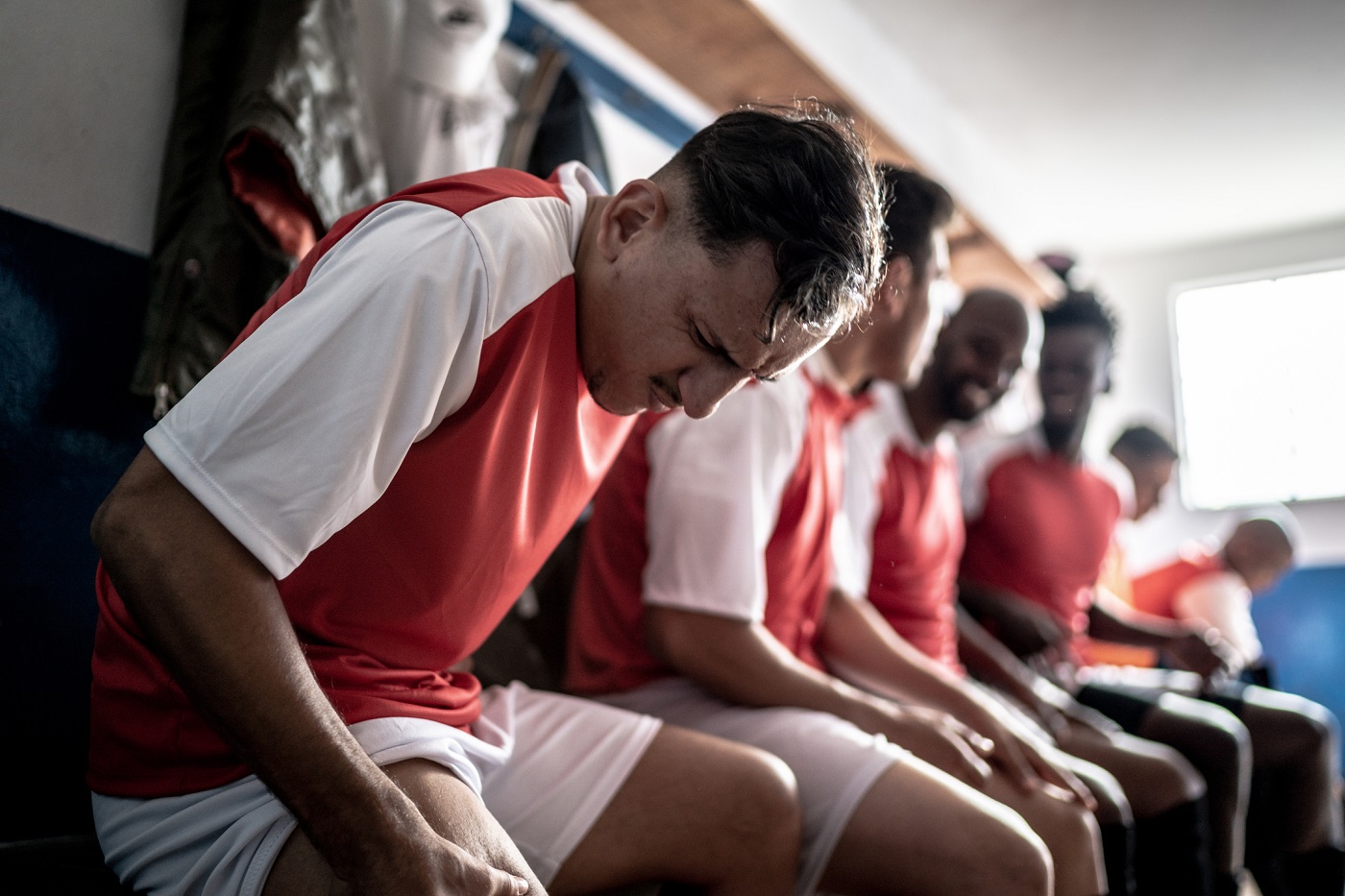
An ACL injury affects one of the major ligaments in the knee that provides stability during movement. Damage to the ACL can make walking, running or pivoting difficult, and many people experience the knee giving way during activity. These injuries are especially common in sports that involve quick stops, sudden pivots or jumping, such as basketball, soccer or football.
ACL injuries are classified into three grades:
Risk factors include participating in cutting or pivoting sports, weak or imbalanced leg muscles, playing on artificial turf and a history of knee injuries. Women and people assigned female at birth (AFAB) are also at higher risk.
ACL injuries often cause immediate changes in how the knee feels and functions. Symptoms, which may occur immediately after the injury and persist during daily activities or sports, may include:
To diagnose an ACL injury, your doctor will review how the injury occurred and your symptoms, then perform exams to assess knee stability. X-rays can rule out bone injuries, while an MRI provides detailed images to confirm ligament tears. After confirming the diagnosis, your doctor will recommend treatment based on your activity and goals.
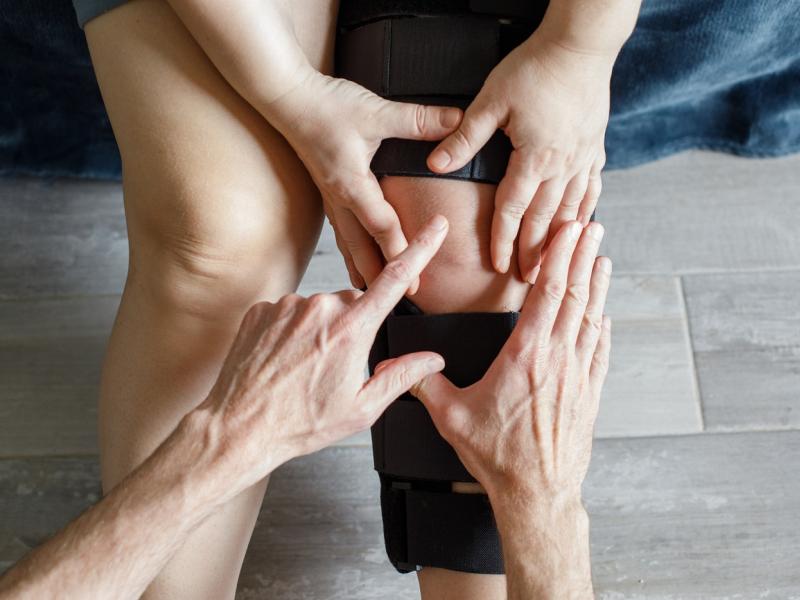
Targeted exercises strengthen leg muscles, restore range of motion and improve balance, which can help the knee function well without surgery in some cases.
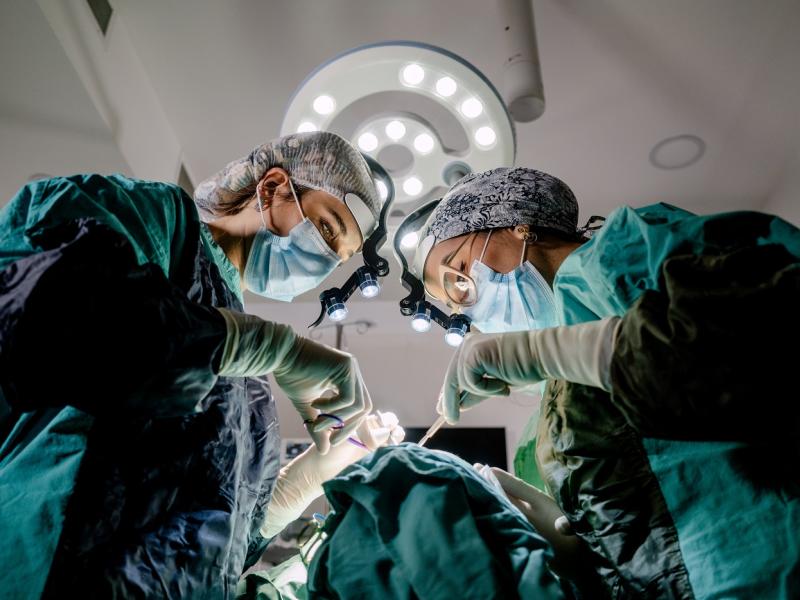
For complete tears or in athletes and active adults, ACL tear surgery may be recommended. The torn ligament is reconstructed using a graft, followed by a structured rehabilitation program.
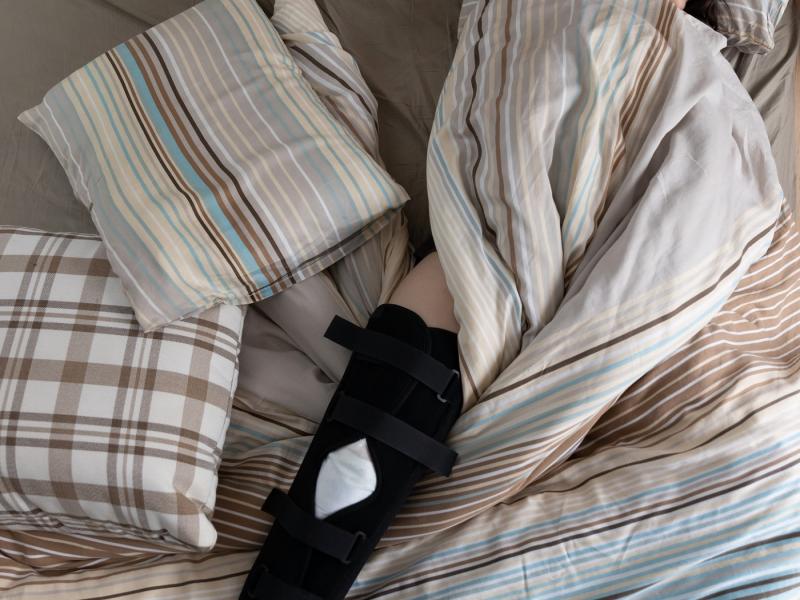
Rest, ice, compression and elevation (RICE) are used immediately after injury to reduce pain and swelling.
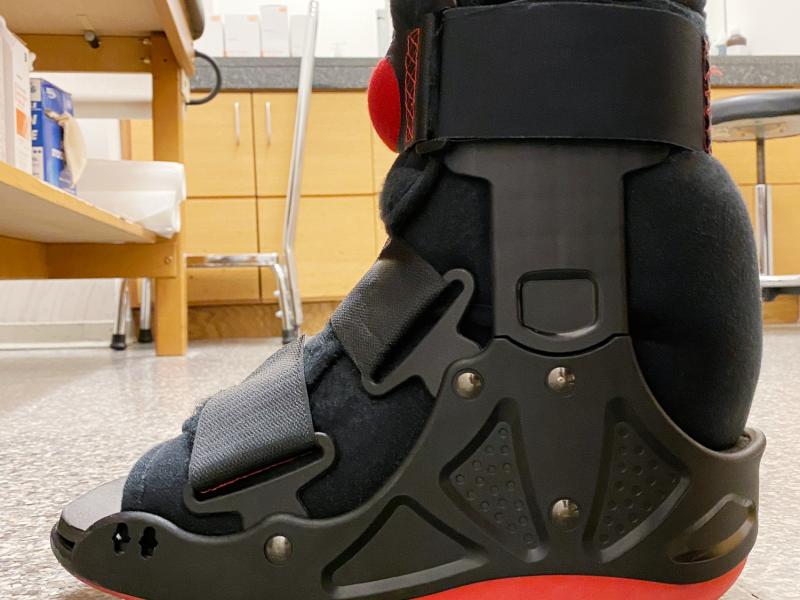
A knee brace may be recommended to provide stability and protect the joint during activity.
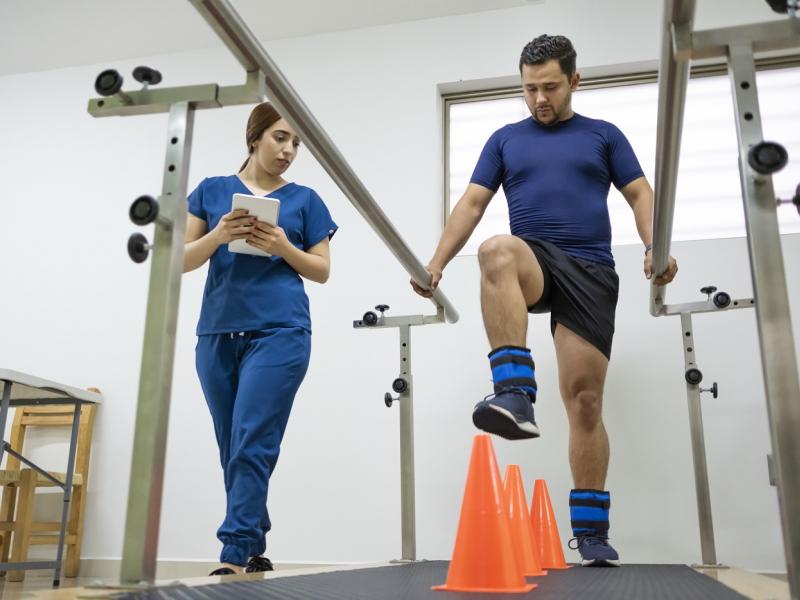
Your doctor may recommend avoiding high-impact or pivoting sports and instead focusing on lower-impact activities if you opt for nonsurgical management.
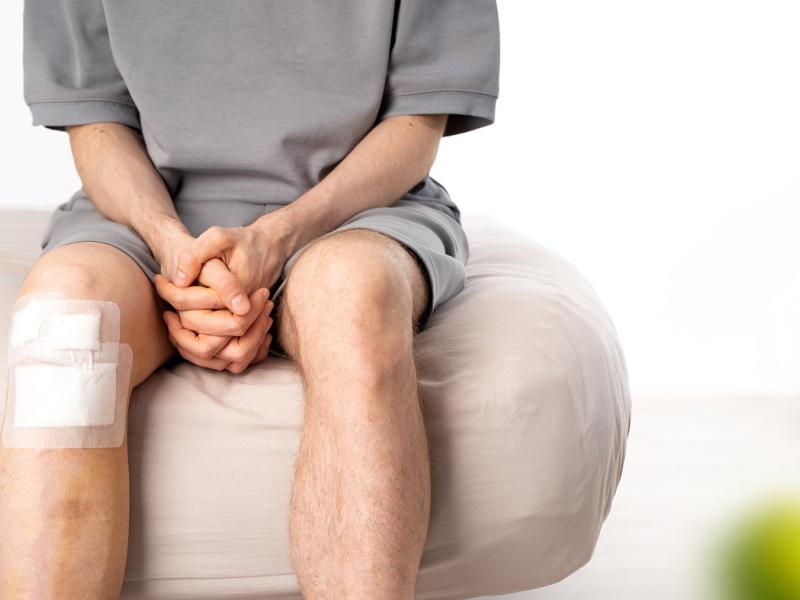
Physical therapy after surgery is crucial for regaining mobility, rebuilding strength and safely returning to sport or daily activities.
At Inspira, ACL injury care begins with a thorough evaluation and a treatment plan designed around your lifestyle and goals. Whether you are an athlete eager to return to sport or an active adult who wants to stay mobile, our team creates a personalized pathway that may include bracing, physical therapy and surgery when necessary.
Our rehabilitation specialists use evidence-based therapies and advanced technology to facilitate safe and effective recoveries. Structured rehabilitation focuses on strength, flexibility and balance to prevent reinjury, while close coordination with orthopedic surgeons ensures seamless care before and after surgery. At every step, our goal is to restore knee stability, rebuild your confidence and guide you back to the activities you love most.
Recovering after limb loss involves more than healing from surgery. With the right rehabilitation...
Read More
When Gina noticed her daughter Francesca wasn’t hitting her gross motor milestones, she turned to...
Read More
Sports medicine and physical therapy both play vital roles in injury recovery, but they serve...
Read More
Learn more about our online scheduling and schedule an appointment with your primary care provider today.

We offer a wide variety of services at our many locations throughout New Jersey, including award-winning obstetrics and gynecology, cancer care and orthopedics.

World class care is in your backyard. Learn more about our local and nationally renowned physicians.