
Recovering after limb loss involves more than healing from surgery. With the right rehabilitation...
Read More
Achilles tendinitis is an overuse injury that causes pain and stiffness in the tendon connecting your calf to your heel. With the right care, you can reduce inflammation, restore mobility and return to daily activities and exercise with greater comfort.
Achilles tendinitis is a type of Achilles tendon injury that causes pain, stiffness and inflammation in the tendon connecting the calf muscles to the heel. It occurs when the tendon is irritated from overuse, tight calf muscles, improper footwear or sudden increases in activity. If untreated, Achilles tendinitis may progress into more chronic tendinopathies, which involve degeneration of the tendon rather than just inflammation.
Achilles tendinitis is one of the most common types of Achilles tendon injuries, but it is also one of the most treatable. A variety of Achilles tendinitis therapies—including stretching, physical therapy and, in some cases, bracing or surgery—can help relieve symptoms and restore strength, flexibility and mobility.
Symptoms of Achilles tendinitis often develop gradually and may worsen with activities such as running, jumping or climbing stairs. Symptoms may include:
Athlete's foot is typically diagnosed based on the characteristic symptoms and a physical examination of the affected area. Your podiatrist will look for signs of redness, scaling, itching and peeling of the skin between the toes or on the soles of the feet. If necessary, your podiatrist may collect a skin scraping for microscopic examination or fungal culture to confirm the presence of fungal infection and identify the specific fungus causing the condition.
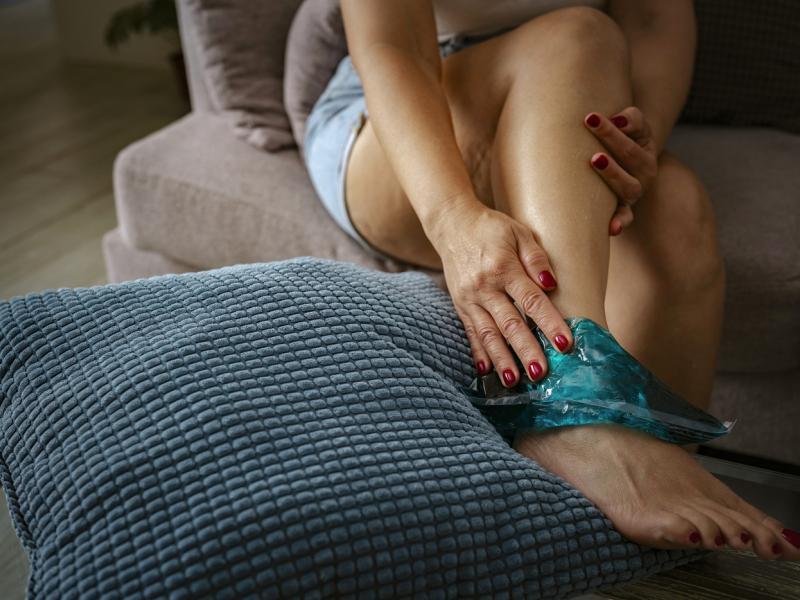
Applying ice and taking anti-inflammatory medications can reduce swelling, tenderness and pain along the tendon.
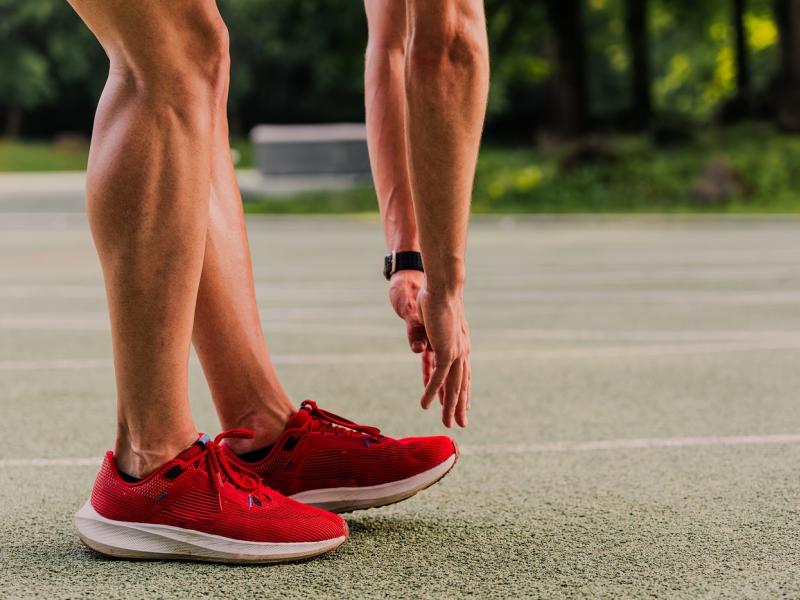
Physical therapy often includes calf stretches and eccentric strengthening exercises, which are highly effective for restoring tendon health and function.
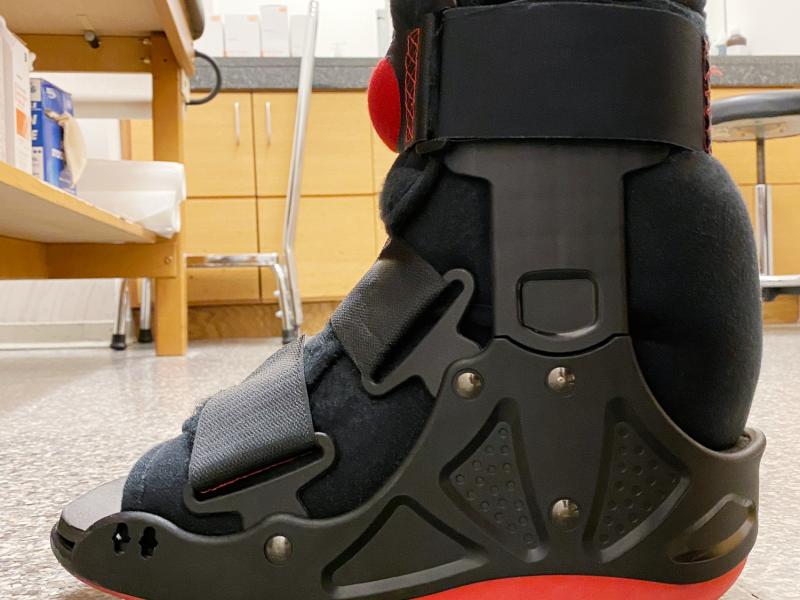
Supportive devices can help reduce stress on the tendon, especially in cases of insertional Achilles tendinitis.
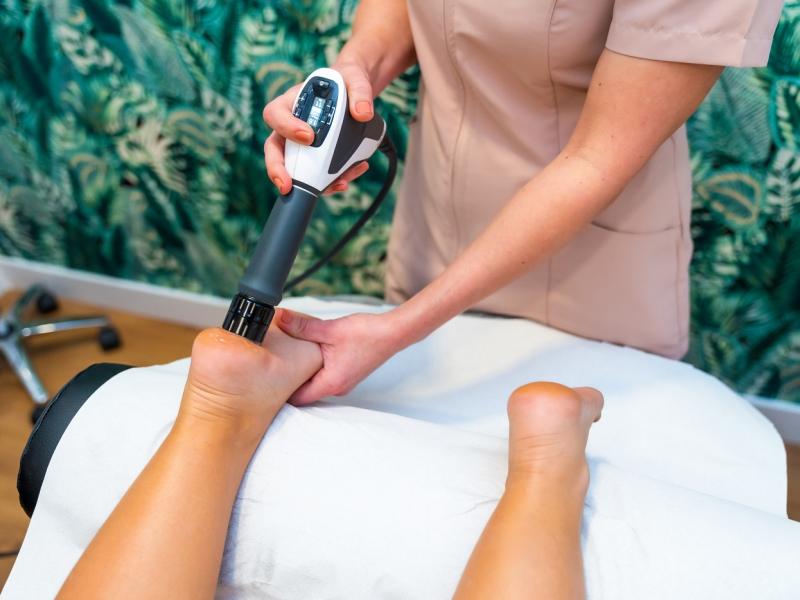
In some cases, sound wave treatments are used to stimulate blood flow and promote tendon healing when conservative care is not enough.
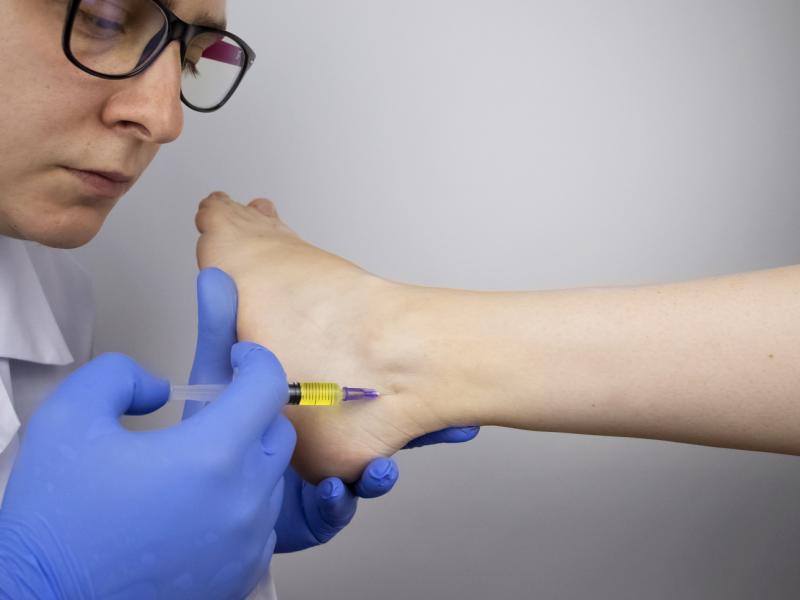
Platelet-rich plasma (PRP) or other injections may be considered in persistent cases, though results can vary.
Reducing or avoiding activities that aggravate the tendon—such as running, jumping or climbing stairs—gives the tendon time to heal and prevents further irritation.
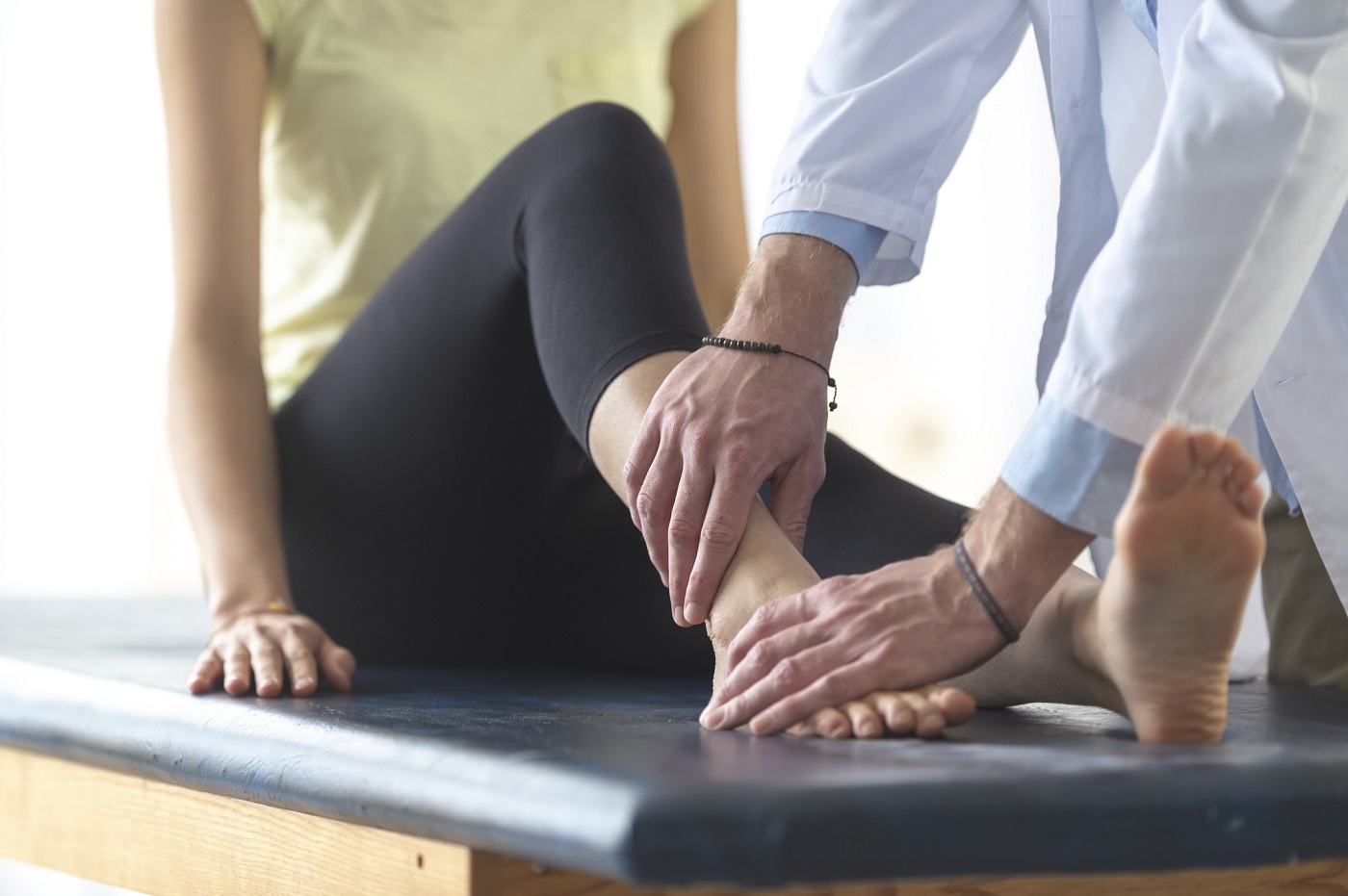
Treatment At Inspira, we understand that Achilles tendinitis can make even simple movements, such as walking, climbing stairs or exercising, uncomfortable. Our team begins with a detailed evaluation to determine whether the condition is insertional or noninsertional, then designs a personalized plan that may include stretching programs, physical therapy and supportive devices to reduce strain on the tendon.
Our rehabilitation specialists use evidence-based techniques, including eccentric strengthening, manual therapy and advanced options when appropriate. For patients who need surgical intervention, we provide seamless coordination with orthopedic surgeons to ensure continuity of care. Throughout recovery, our focus is on reducing pain, restoring mobility and helping patients safely return to the activities they enjoy.
Recovering after limb loss involves more than healing from surgery. With the right rehabilitation...
Read More
When Gina noticed her daughter Francesca wasn’t hitting her gross motor milestones, she turned to...
Read More
Sports medicine and physical therapy both play vital roles in injury recovery, but they serve...
Read More
Learn more about our online scheduling and schedule an appointment with your primary care provider today.

We offer a wide variety of services at our many locations throughout New Jersey, including award-winning obstetrics and gynecology, cancer care and orthopedics.

World class care is in your backyard. Learn more about our local and nationally renowned physicians.