School nurse Tamisha Nicole Jones shares her courageous journey of overcoming multiple brain...
Read MoreEffective Monday, January 5th, Inspira Health is now at Yellow Alert Status: Masks for staff, patients and visitors in all high-risk areas across our facilities are strongly recommended.
Sports injury rehabilitation helps athletes and active adults recover from injuries while rebuilding strength and mobility. With therapy for sports injuries, patients can return to activity safely and confidently, reducing the risk of future setbacks.
Sports injury rehabilitation is a specialized program that helps athletes and active adults recover from injuries, restore mobility and return to activity safely. Whether you’re dealing with an acute injury, recovering from surgery or managing the effects of overuse, therapy combines evidence-based treatments with sport-specific training to enhance performance and prevent reinjury.
Sports injury rehabilitation addresses a wide range of common sports injuries and sports-related conditions, including:
By addressing both acute injuries and chronic conditions, sports injury rehabilitation helps patients return to sports with strength, confidence and a reduced risk of future injury.
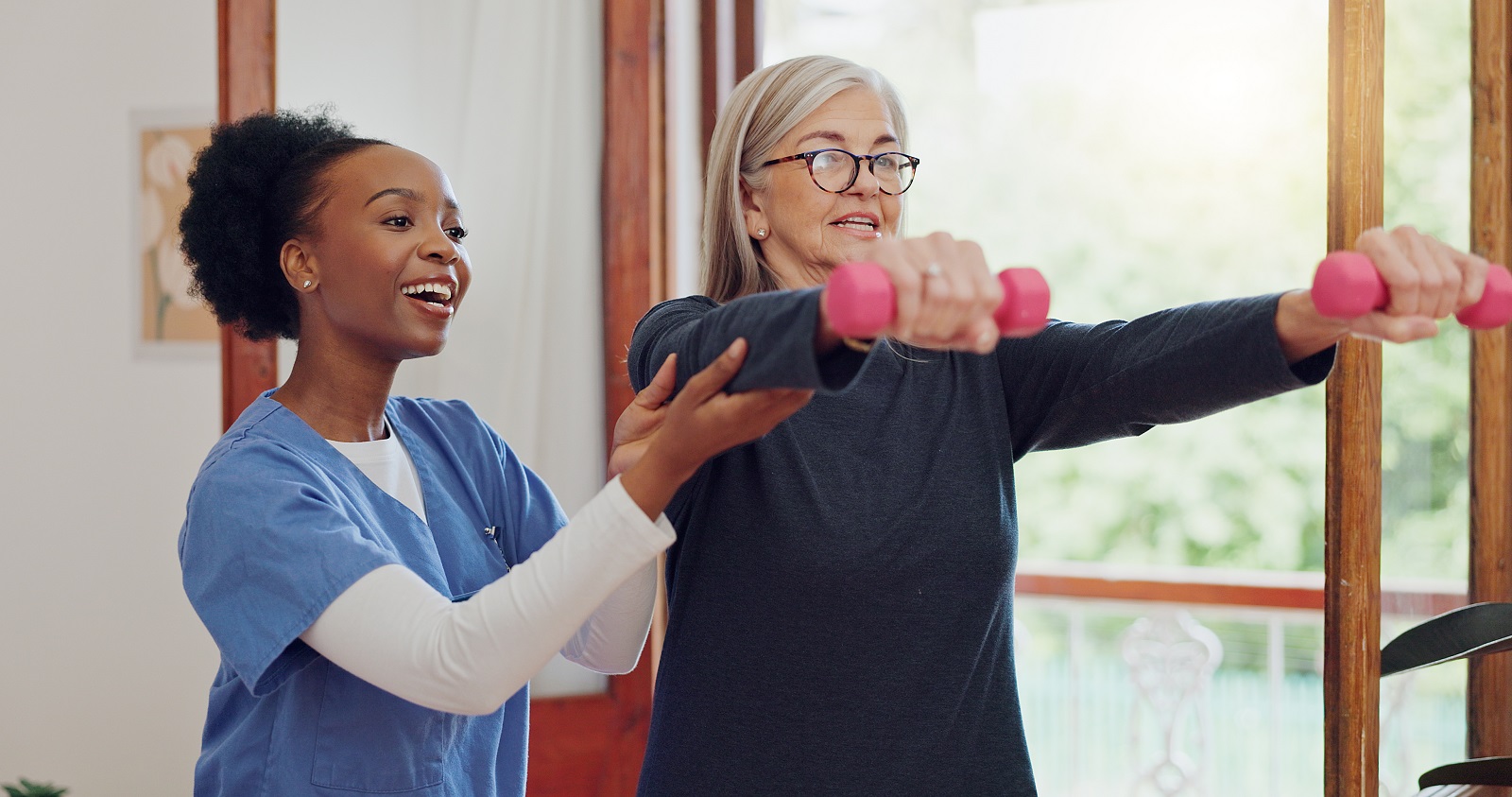
Sports injury rehabilitation works by restoring strength, flexibility and coordination while addressing pain and inflammation, so you can return to activity safely. Physical and Occupational Therapy combines targeted exercises, manual techniques and advanced recovery tools to rebuild the body’s resilience and prevent reinjury.
Specialized equipment enhances this process. For example, our Alter-G Anti-Gravity Treadmill enables patients to walk or run with reduced impact, allowing them to regain fitness and confidence without overloading their healing joints. The Game Ready Cold Therapy and Compression System helps control swelling and pain after injury or surgery, accelerating recovery in the critical early stages of recovery.
Our team includes Certified Orthopedic Clinical Specialists with advanced training in sports medicine who tailor rehabilitation to the unique demands of each sport. Techniques such as blood flow restriction therapy are used to stimulate muscle growth and strength when traditional high-load exercises aren’t yet safe, ensuring progress even in the early phases of rehabilitation. Together, these approaches create a pathway back to performance that is safe, efficient and athlete-centered.
Patients undergo a comprehensive evaluation to assess the type of injury, range of motion, strength and personal goals. Therapists work closely with physicians and other health care professionals to ensure both immediate recovery and long-term performance.
Therapy sessions focus on restoring strength, flexibility and endurance through targeted exercises and functional training. Treatments may include balance work, sport-specific drills or manual techniques to support healing.
Progression of therapy emphasizes a safe return to activity and prevention of reinjury. Therapists provide ongoing guidance, home exercises and education to reinforce progress outside the clinic. With this comprehensive and personalized approach, athletes and active individuals regain confidence and fitness.
Recovery time varies depending on the type and severity of the injury. Minor sprains or strains typically heal within a few weeks, while surgical repairs, such as ACL reconstruction, can take several months. Your therapist will create a personalized plan and adjust it as you progress, helping you recover as quickly and safely as possible.
The timing of return to play depends on your injury, overall fitness and the physical demands of your sport. Therapists and physicians use strength, mobility and functional testing to ensure your body is ready. The goal is not just to get you back on the field or in the gym, but to reduce the risk of reinjury.
Acute injuries happen suddenly, often from trauma, such as an ankle sprain or a torn ligament. Chronic injuries develop over time due to repetitive stress, such as shin splints or tendinopathy. Rehabilitation addresses both—helping acute injuries heal properly while also correcting movement patterns or training loads that contribute to chronic problems.
A sprain is an injury to a ligament, the tissue that connects bones together, often seen in the ankle or knee. A strain is an injury to a muscle or tendon, which connects muscle to bone. Both can cause pain and swelling, but treatment strategies differ slightly depending on the tissue affected.
Most mild muscle contusions, or bruises, improve within one to two weeks. More severe contusions, which involve deep tissue damage, may take several weeks to heal. Rehabilitation focuses on reducing pain and swelling early, then gradually restoring strength and flexibility so you can safely return to activity.
School nurse Tamisha Nicole Jones shares her courageous journey of overcoming multiple brain...
Read More
Physical rehabilitation focuses on making steady progress by using personalized care plans and a...
Read More
Continuing rehabilitation at home with a personalized recovery plan not only tailors exercises to...
Read More