
Recovering after limb loss involves more than healing from surgery. With the right rehabilitation...
Read More
An Achilles tendon rupture can make walking, running or even standing on your toes suddenly impossible. With timely treatment and rehabilitation, most people regain strength and mobility and return to an active lifestyle.
An Achilles tendon rupture is a complete tear of the tendon that connects the calf muscles to the heel bone. Because this tendon is critical for walking, running and pushing off the foot, a rupture usually causes sudden pain, swelling and an immediate loss of strength and function. A rupture is one type of tendon tear; other cases may involve only a partial Achilles tendon rupture, where some fibers are damaged but the tendon is not fully severed.
Ruptured Achilles tendons often happen during sports or activities that involve explosive movements, such as sprinting, jumping or pivoting. They can also result from falls, missteps or direct trauma to the tendon.
Symptoms of an Achilles tendon rupture often appear suddenly during activity, though partial injuries may develop more gradually. Many people describe the feeling as if they were kicked or struck in the back of the ankle, and symptoms may include:
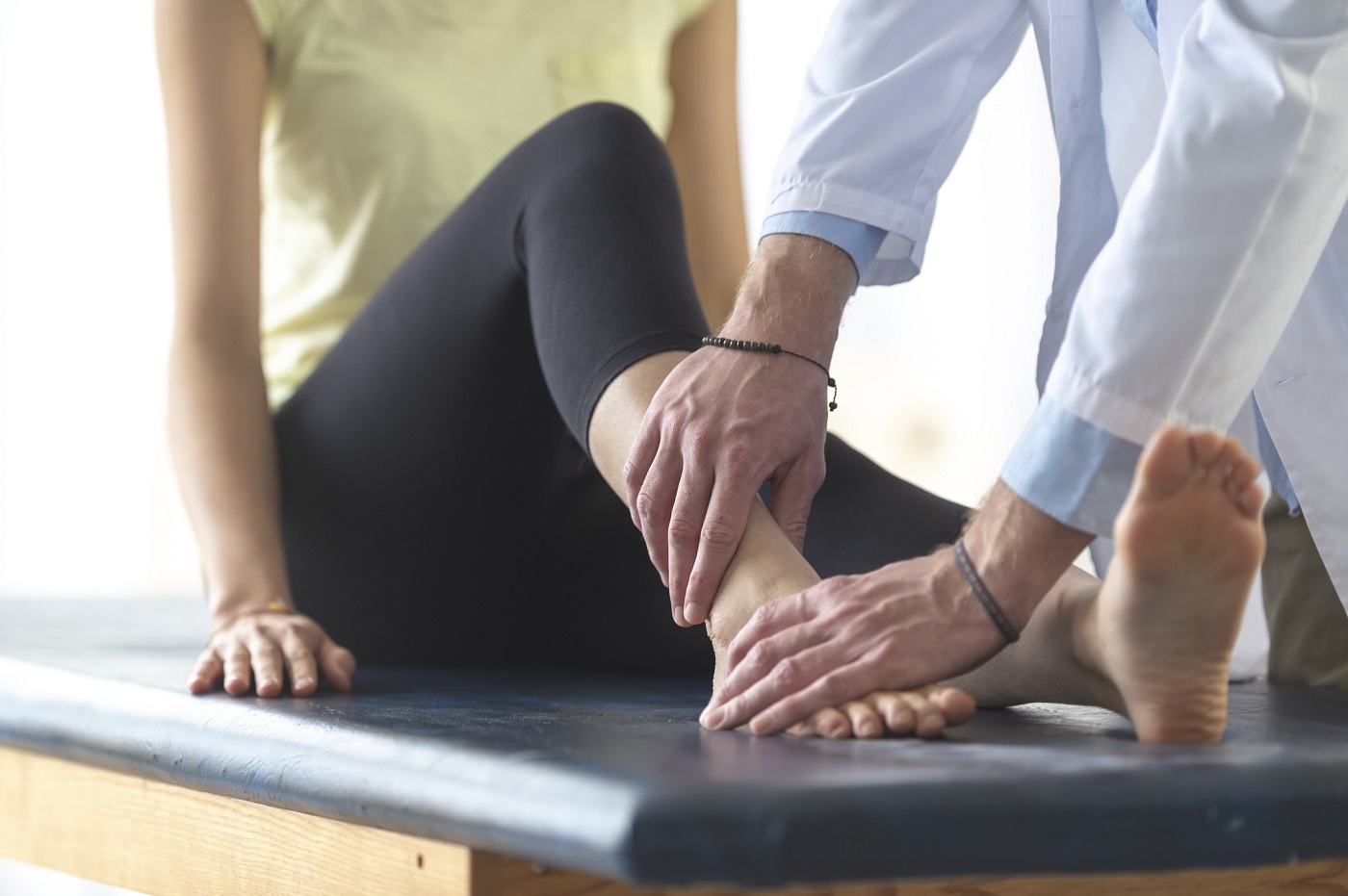
Your doctor will ask how the injury occurred, review symptoms, and perform a physical exam, including the Thompson test to check tendon function. Imaging like ultrasound or MRI may be used to confirm if the tendon is torn or ruptured. After diagnosis, your doctor will recommend a treatment plan based on your needs.
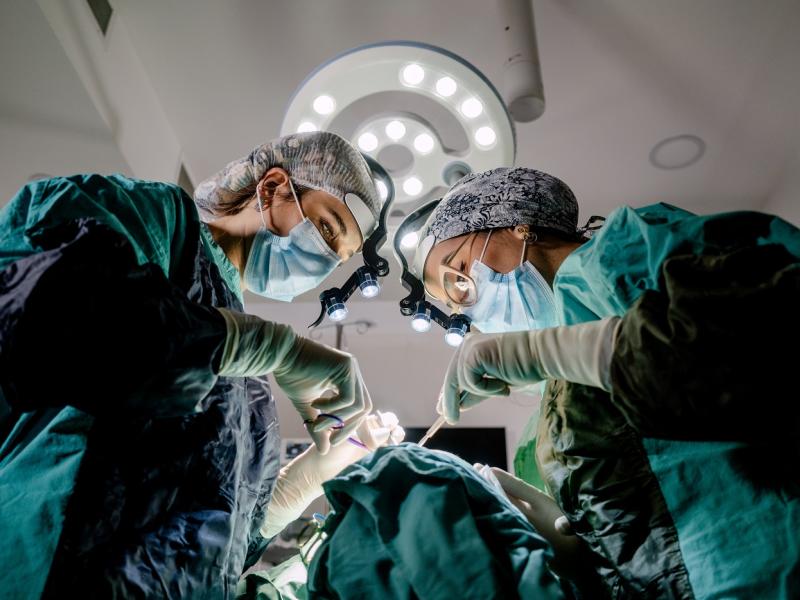
For complete ruptures or active individuals, surgery is often recommended. The torn tendon is stitched back together or reinforced with graft tissue to restore strength and stability.
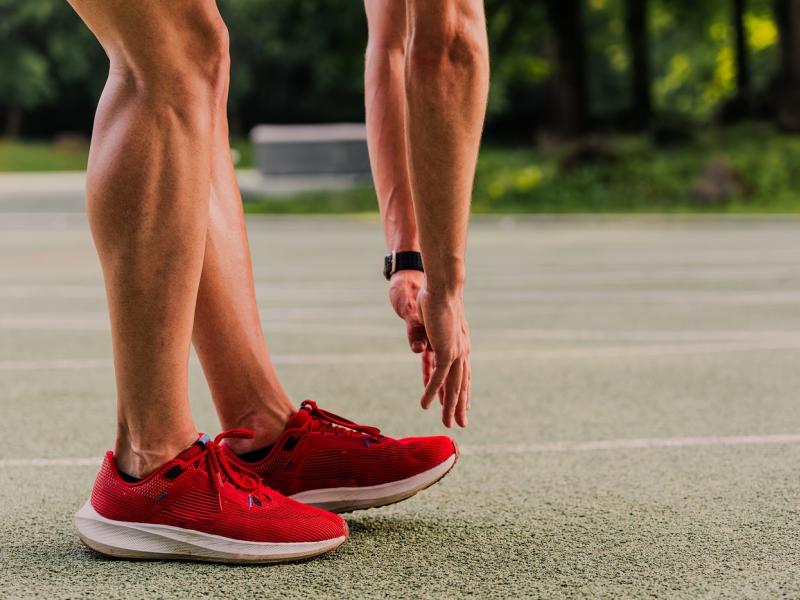
Rehabilitation exercises strengthen the calf and ankle muscles, improve flexibility and restore balance. Therapy is crucial after immobilization or surgery.
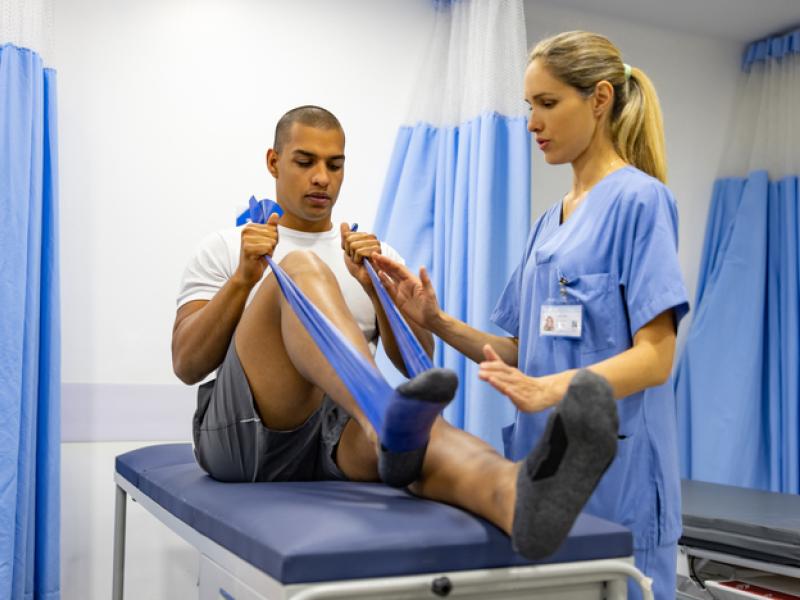
After surgery, a structured rehabilitation program helps restore mobility, strength and function. Full recovery typically takes six to 12 months before returning to high-impact activity.
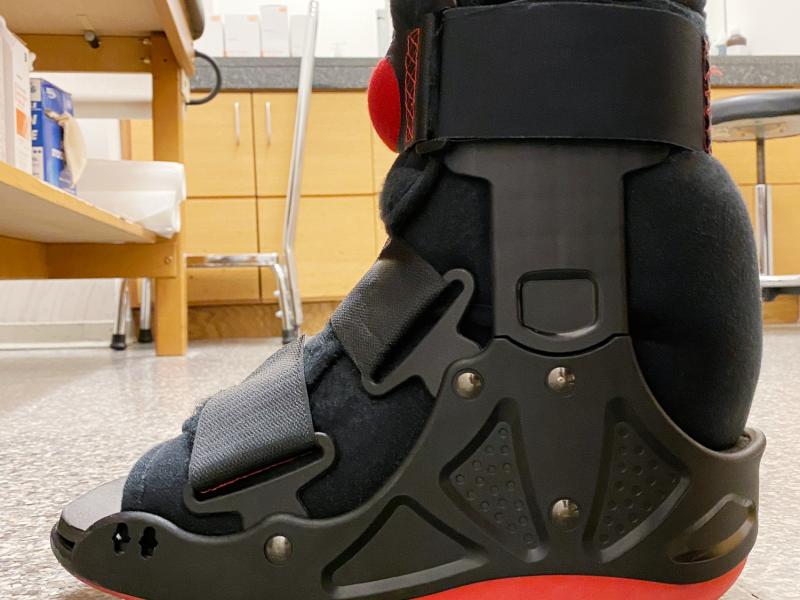
For some partial ruptures, a cast, boot or brace may be used to keep the foot in a downward position, allowing the tendon to heal naturally over time.

Resting the ankle, applying ice and using anti-inflammatory medications can help reduce pain and swelling in the early stages of recovery.
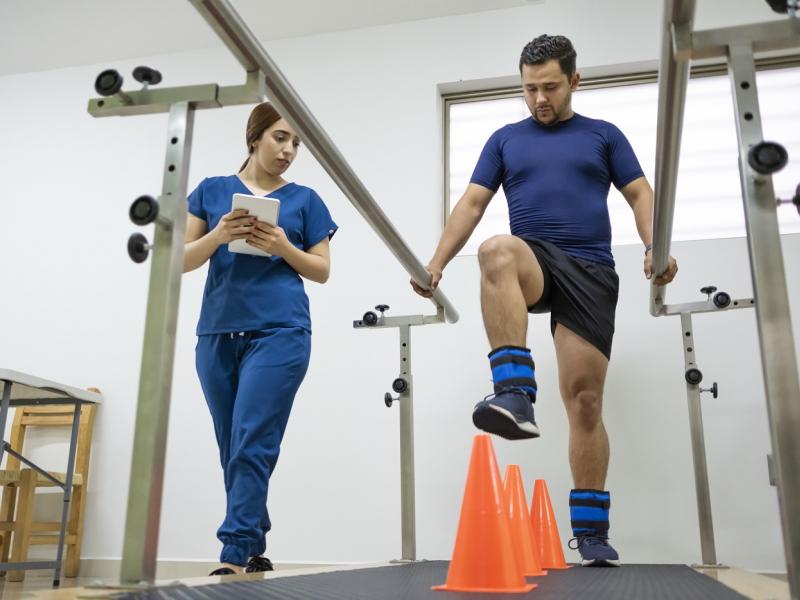
In select cases, structured therapy programs with bracing and early movement can support healing without surgery, though the risk of reinjury may be higher.
At Inspira, treatment for an Achilles tendon rupture begins with a thorough evaluation to determine whether nonsurgical or surgical care is the best option. Our specialists create personalized plans based on your activity level, overall health and goals—whether that means returning to sports, work or simply moving comfortably without pain.
When surgery is needed, our orthopedic surgeons and rehabilitation team provide coordinated care from procedure through recovery. Physical therapists guide you through progressive exercises that restore ankle strength, balance and flexibility while reducing the risk of reinjury. With evidence-based techniques and patient-centered support, we help you rebuild confidence and safely return to an active lifestyle.
Recovering after limb loss involves more than healing from surgery. With the right rehabilitation...
Read More
When Gina noticed her daughter Francesca wasn’t hitting her gross motor milestones, she turned to...
Read More
Sports medicine and physical therapy both play vital roles in injury recovery, but they serve...
Read More
Learn more about our online scheduling and schedule an appointment with your primary care provider today.

We offer a wide variety of services at our many locations throughout New Jersey, including award-winning obstetrics and gynecology, cancer care and orthopedics.

World class care is in your backyard. Learn more about our local and nationally renowned physicians.