
School nurse Tamisha Nicole Jones shares her courageous journey of overcoming multiple brain...
Read MoreEffective Monday, January 5th, Inspira Health is now at Yellow Alert Status: Masks for staff, patients and visitors in all high-risk areas across our facilities are strongly recommended.

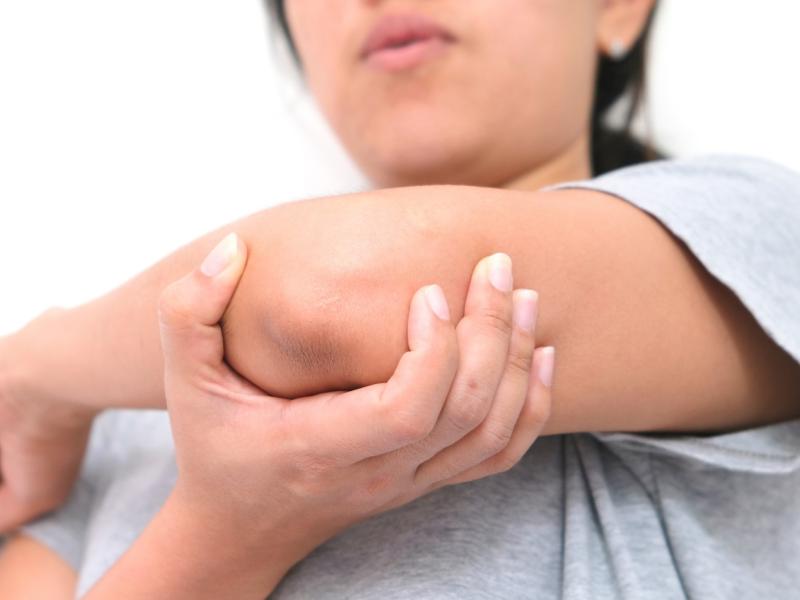
Golfer’s elbow can cause pain when gripping, lifting or even shaking hands, due to discomfort on the inside of the elbow. With the right treatment, most people regain strength, ease stiffness and return to daily activities and sports without lasting problems.
Golfer’s elbow, also known as medial epicondylitis, is an overuse injury that causes pain, tenderness and stiffness on the inside of the elbow. It happens when the tendons that attach the forearm muscles to the medial epicondyle of the humerus (the bony bump on the inside of the elbow) become irritated or damaged. Despite its name, golfer’s elbow affects many people beyond athletes, including those who perform repetitive gripping, lifting or throwing motions on a regular basis.
The condition is commonly caused by activities that involve repeated wrist flexion or forearm rotation, such as golfing, throwing sports, weightlifting or occupational tasks like carpentry or typing. Risk factors include repetitive stress without adequate rest, poor technique or weak forearm muscles.
Golfer’s elbow symptoms usually develop gradually, though pain may appear suddenly after intense activity. Symptoms may include:
To diagnose an ACL injury, your doctor will review how the injury occurred and your symptoms, then perform exams to assess knee stability. X-rays can rule out bone injuries, while an MRI provides detailed images to confirm ligament tears. After confirming the diagnosis, your doctor will recommend treatment based on your activity and goals.
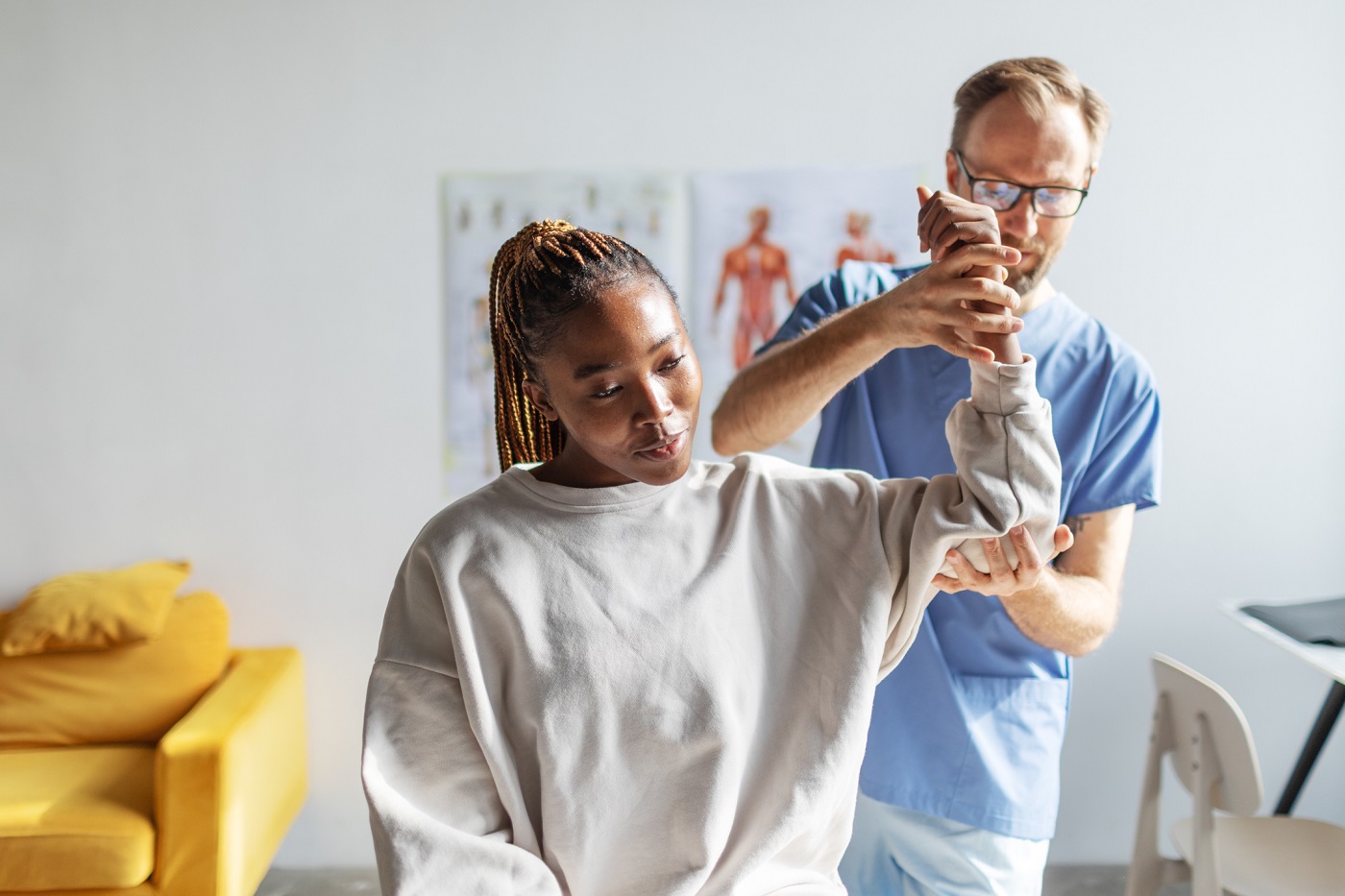
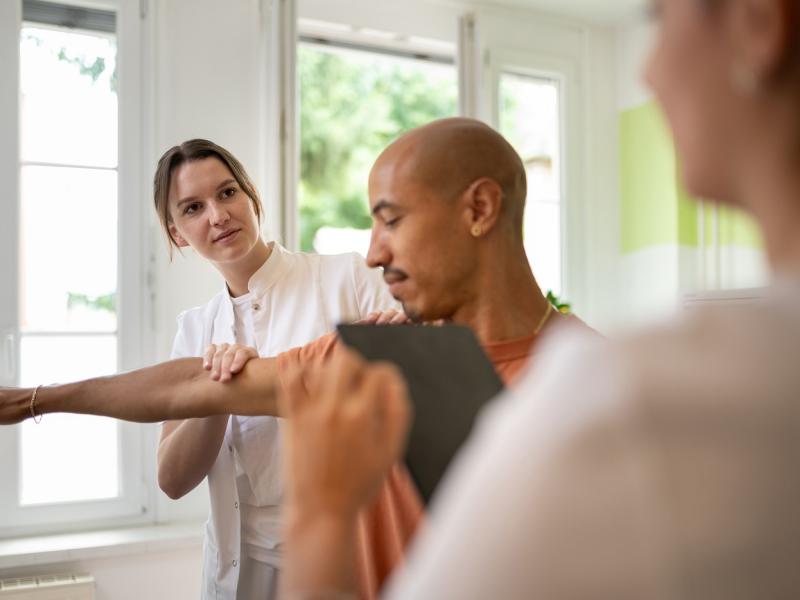
Taking a break from repetitive gripping, lifting or throwing activities allows the tendon to heal. Adjusting technique or equipment can also prevent reinjury.

Applying ice to the inner elbow and using anti-inflammatory medications can help reduce swelling, tenderness and pain during flare-ups.
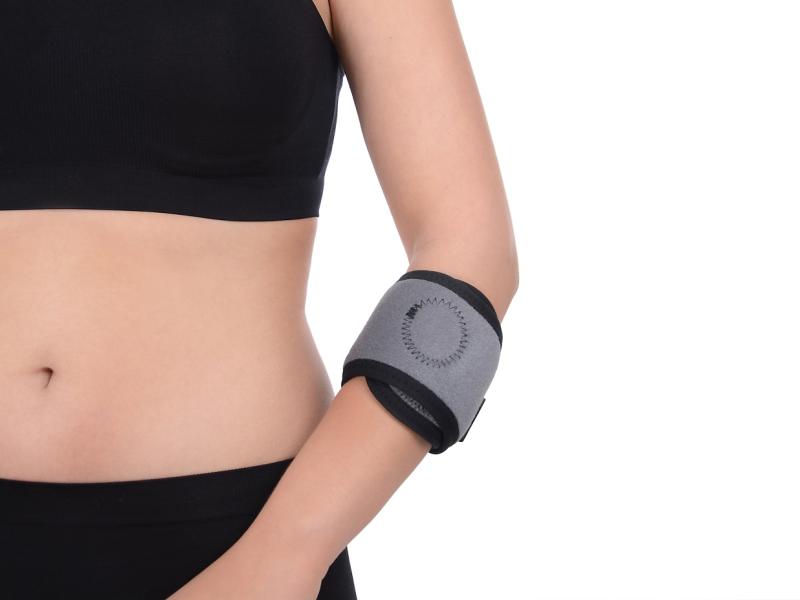
Wearing an elbow brace for medial epicondylitis helps reduce strain on the tendon by redistributing pressure during activity. Bracing can also provide comfort while the tendon heals.

Stretching and strengthening exercises for golfer’s elbow can improve flexibility, restore grip strength and promote healing. Therapists may also guide activity retraining to reduce stress on the elbow.
Corticosteroid or platelet-rich plasma (PRP) injections may be considered for persistent symptoms to reduce inflammation or stimulate tendon healing.
At Inspira, we understand that elbow pain can limit more than just sports—it can affect your work, hobbies and everyday activities. Our team of rehabilitation specialists and sports medicine providers takes a patient-centered approach, beginning with a careful evaluation of your symptoms, activity level and goals. From there, we create a personalized plan that may include bracing, therapy and targeted exercises for golfer’s elbow designed to restore flexibility and strength.
Our therapists and physicians use evidence-based techniques to alleviate pain, enhance grip strength and restore your normal range of motion. For athletes and active adults, we focus on safe return-to-play strategies, while also helping non-athletes regain comfort in daily tasks. With coordinated care across our network, you’ll receive the right combination of therapies, support and education to manage your symptoms and prevent recurrence.
School nurse Tamisha Nicole Jones shares her courageous journey of overcoming multiple brain...
Read More
Physical rehabilitation focuses on making steady progress by using personalized care plans and a...
Read More
Continuing rehabilitation at home with a personalized recovery plan not only tailors exercises to...
Read More
Learn more about our online scheduling and schedule an appointment with your primary care provider today.

We offer a wide variety of services at our many locations throughout New Jersey, including award-winning obstetrics and gynecology, cancer care and orthopedics.

World class care is in your backyard. Learn more about our local and nationally renowned physicians.