
Recovering after limb loss involves more than healing from surgery. With the right rehabilitation...
Read More
Bursitis can make simple movements, such as walking, lifting or kneeling, painful and limiting. Appropriate care can help reduce inflammation, alleviate pain and enhance mobility.
Bursitis is the inflammation of a bursa, the small fluid-filled sac that cushions bones, tendons and muscles near your joints. When a bursa becomes irritated, it can swell, causing pain, stiffness and tenderness, especially during movement or when pressure is applied to the joint.
This condition is often caused by repetitive motions, overuse or prolonged pressure on a joint. Common causes of bursitis include participating in sports, engaging in heavy lifting, frequent kneeling or leaning on the elbows. Bursitis can also develop after an injury or as a result of conditions like arthritis or gout.
Bursitis most frequently affects the shoulder, elbow, hip and knee, but it can happen in almost any joint in the body. Your risk increases with age, repetitive work or athletics and underlying health issues that affect your joint health. With proper treatment, most people recover quickly and avoid lasting damage.
Bursitis symptoms may appear suddenly or develop gradually with joint use, and pain usually worsens with movement or pressure. Symptoms may include:
Your doctor will ask about your symptoms, activities, and recent injuries, then check for swelling, tenderness, and movement. Imaging tests like X-rays or ultrasound may be used to confirm inflammation or rule out other conditions. Sometimes, fluid from the bursa is tested for infection.

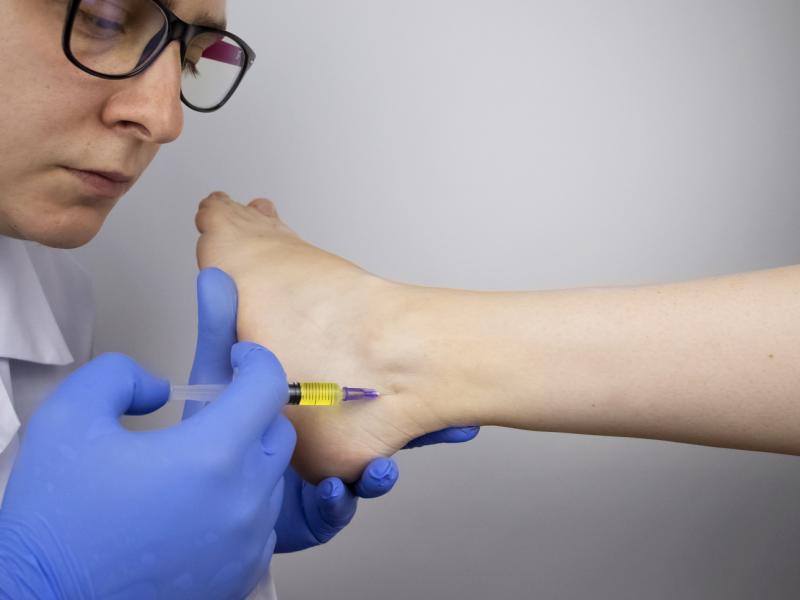
For persistent inflammation, your doctor may inject medication directly into the bursa to provide quick relief. Rarely, when other treatments fail, surgery may be performed to drain or remove the inflamed bursa.
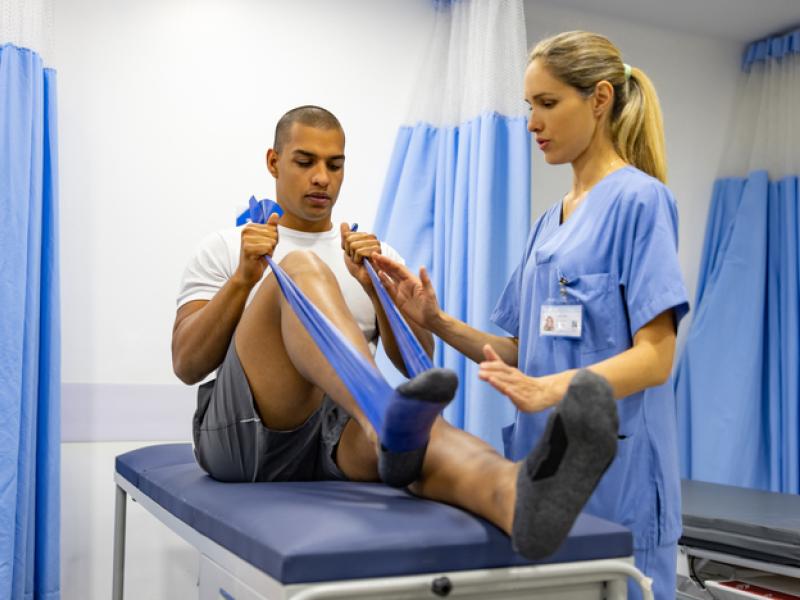
Gentle stretching and strengthening exercises improve flexibility, restore range of motion and reduce stress on the joint.
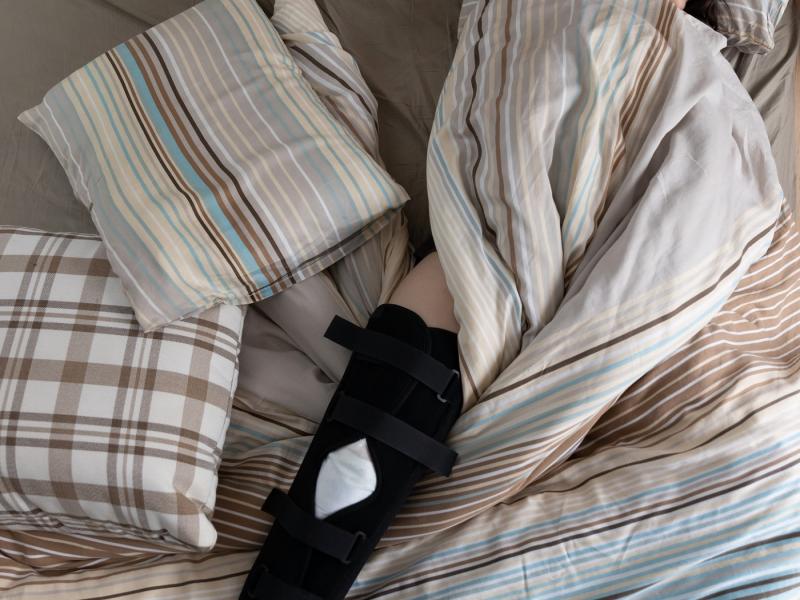
Avoiding repetitive motions and limiting pressure on the joint allows the bursa to heal. Braces, cushions or supportive footwear may be recommended to protect the joint and prevent irritation.
At Inspira, bursitis care is built around a personalized plan that addresses both the immediate discomfort and the underlying causes of joint irritation. Our rehabilitation specialists begin with a thorough evaluation, then create a treatment plan that may include rest strategies, Physical and Occupational Therapy and supportive devices to protect the joint while it heals.
We emphasize evidence-based therapies and coordinated care across our network of providers. Whether your bursitis is caused by repetitive sports activity, occupational strain or an underlying condition such as arthritis, our team works to relieve pain, restore movement and prevent recurrence. With compassionate care and access to advanced therapies, we help patients return to their daily activities safely and with confidence.
Recovering after limb loss involves more than healing from surgery. With the right rehabilitation...
Read More
When Gina noticed her daughter Francesca wasn’t hitting her gross motor milestones, she turned to...
Read More
Sports medicine and physical therapy both play vital roles in injury recovery, but they serve...
Read More
Learn more about our online scheduling and schedule an appointment with your primary care provider today.

We offer a wide variety of services at our many locations throughout New Jersey, including award-winning obstetrics and gynecology, cancer care and orthopedics.

World class care is in your backyard. Learn more about our local and nationally renowned physicians.