
This article outlines key symptoms to watch for when patients are referred for vascular care and how...

A fistulogram is a specialized imaging test used to evaluate blood flow through a dialysis access site, such as a fistula or graft. It helps identify issues like narrowing or blockages so your care team can take the appropriate steps to keep your dialysis access working properly.
A fistulogram is a specialized imaging test used to assess the health and function of a dialysis access site, typically an arteriovenous fistula (AVF) or graft. These access points enable efficient blood flow during treatment. Over time, issues such as narrowing, blood clots or scarring can develop in or around the access site, potentially interfering with dialysis. A fistulogram provides a clear picture of how well blood is flowing through the access, helping providers detect and diagnose any problems.
Fistulogram may be recommended when there are signs that a fistula or graft may not be functioning properly. Signs may include prolonged bleeding after dialysis, difficulty inserting needles, swelling or changes in dialysis efficiency. By pinpointing complications early, a fistulogram helps guide decisions about the next steps in treatment.
During a fistulogram, your doctor uses imaging technology to visualize the blood vessels within the dialysis access site. A small catheter is inserted into the fistula or graft, and contrast dye is injected to make blood vessels visible on X-ray. This allows doctors to detect narrowing, blockages, or other abnormalities. The procedure can be done through a vascular (external) or endovascular (minimally invasive) approach.
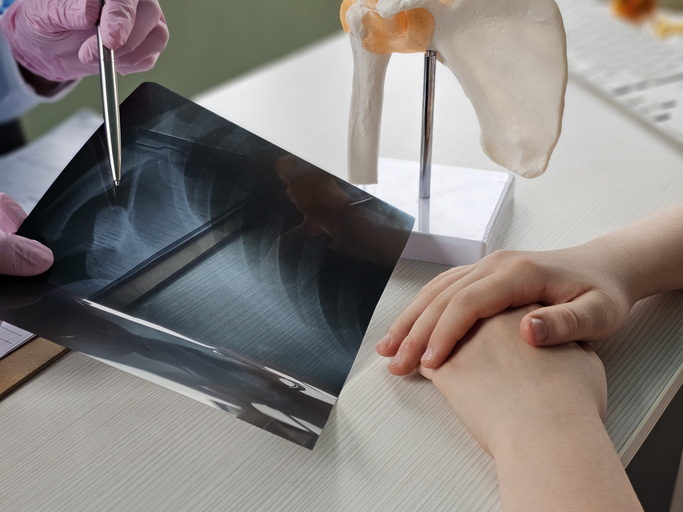
Before the fistulogram, you may need to avoid eating or drinking for a few hours and inform your care team about any allergies, especially to contrast dye or iodine.
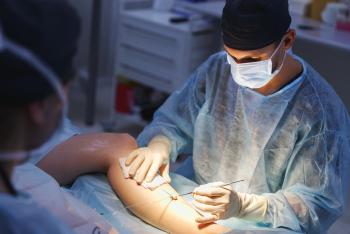
During the procedure, you will lie comfortably while the doctor inserts a small catheter into your dialysis access site, usually in your arm. You might feel slight pressure or discomfort as your doctor injects the contrast dye and takes X-ray images to check blood flow. The procedure takes less than an hour, and in cases where a problem is detected, treatment can often happen immediately.
After the fistulogram, your care team will monitor you for a short time to ensure there are no complications. You can usually return to your normal activities within a day, though you may need to avoid heavy lifting or strenuous use of the arm for a short period.
This article outlines key symptoms to watch for when patients are referred for vascular care and how...

Paul Maurice turned to Inspira Rehab Services for pain relief and mobility after an ankle injury. He...

Blood clots can happen to anyone, even elite athletes. Here’s what to know about how blood clots...

Learn more about our online scheduling and schedule an appointment with your provider today.

We offer a wide variety of services at our many locations throughout New Jersey, including award-winning obstetrics and gynecology, cancer care and orthopedics.

World class care is in your backyard. Learn more about our local and nationally renowned physicians.