
This article outlines key symptoms to watch for when patients are referred for vascular care and how...

Blood clots happen when blood thickens and forms a solid mass within a blood vessel, potentially disrupting your normal circulation. Recognizing signs early and seeking timely care can prevent serious outcomes, like tissue damage or organ compromise.
A blood clot, also known as a thrombus, forms when blood changes from a liquid to a gel-like or semi-solid state. While clotting is a normal and necessary process that helps stop bleeding after an injury, clots that form inside blood vessels without a clear need can be dangerous. These abnormal clots can block blood flow, depriving tissues and organs of oxygen and nutrients, which may result in serious medical emergencies such as a heart attack or stroke.
Blood clots can develop in veins and arteries and are often categorized based on their location and behavior. Veins carry blood back to the heart, and clots in the deep veins, especially in the legs, are more likely to cause swelling and pain. Arterial blood clots, on the other hand, can stop blood from reaching vital organs and may be life-threatening.
Symptoms of blood clots can vary depending on their location in the body, and early-stage blood clot symptoms may be subtle or easily overlooked. Common signs of venous blood clots include:
Doctors diagnose blood clots by reviewing your medical history, doing a physical exam and ordering tests. An ultrasound checks for clots in veins, while a CT pulmonary angiography finds clots in the lungs. Blood tests like the D-dimer help rule out clots in low-risk patients. MRI or venography may confirm a diagnosis and help guide treatment.


These medications prevent clot growth and reduce the risk of new clots forming. They are often the first line of treatment and can be taken orally or by injection.

A minimally invasive procedure where doctors insert a catheter to deliver clot-dissolving medication directly to the clot.

These help improve blood flow in the legs and reduce swelling and pain, especially for deep vein thrombosis (DVT).
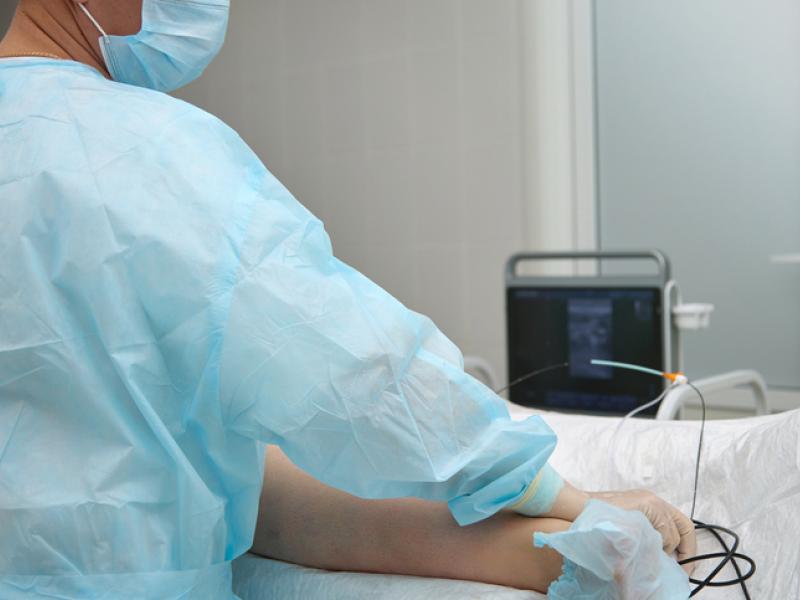
Thrombosis surgery to physically remove a clot is typically reserved for life-threatening cases or when other treatments are not effective.

These powerful medications dissolve large or dangerous clots quickly. They are typically reserved for severe cases due to higher risks of bleeding.

An IVC filter is a small device placed in a large vein to catch clots before they reach the lungs and may be recommended for patients who cannot take blood thinners.
At Inspira, our expert team provides advanced blood clot care, combining vascular, hematology and radiology specialists. We deliver accurate diagnosis, customized treatment plans and reliable monitoring to minimize complications and speed recovery. Patients can expect quick access to care, leading-edge therapies and support for long-term vascular health.

This article outlines key symptoms to watch for when patients are referred for vascular care and how...

Paul Maurice turned to Inspira Rehab Services for pain relief and mobility after an ankle injury. He...

Blood clots can happen to anyone, even elite athletes. Here’s what to know about how blood clots...

Learn more about our online scheduling and schedule an appointment with your provider today.

We offer a wide variety of services at our many locations throughout New Jersey, including award-winning obstetrics and gynecology, cancer care and orthopedics.

World class care is in your backyard. Learn more about our local and nationally renowned physicians.