
This article outlines key symptoms to watch for when patients are referred for vascular care and how...

Claudication or Vascular claudication is often a sign of peripheral artery disease (PAD), a condition that reduces blood flow to the limbs and can affect your mobility and overall health.
Claudication is pain, cramping or fatigue in the legs or buttocks that occurs during physical activity like walking and is relieved by rest. This symptom is caused by reduced blood flow to muscles during exertion, usually resulting from a narrowing or blockage in the arteries.
Claudication is most commonly associated with PAD, a condition caused by plaque buildup in the arteries that supply the limbs. As muscles work harder and demand more oxygen, restricted blood flow can't keep up, leading to discomfort or weakness. Over time, claudication can limit mobility and may indicate a higher risk of a heart attack or stroke if left untreated.
There are different forms of claudication, depending on which arteries are affected and how the pain presents:
Claudication risk factors are similar to those for PAD. These include smoking, diabetes, high blood pressure, high cholesterol, age and a family history of cardiovascular disease. Men and people assigned male at birth are slightly more likely to develop claudication, but the risk increases for everyone with age and underlying vascular conditions.
Claudication symptoms typically appear during physical activity and improve with rest. Symptoms affect the legs or lower body and may include:
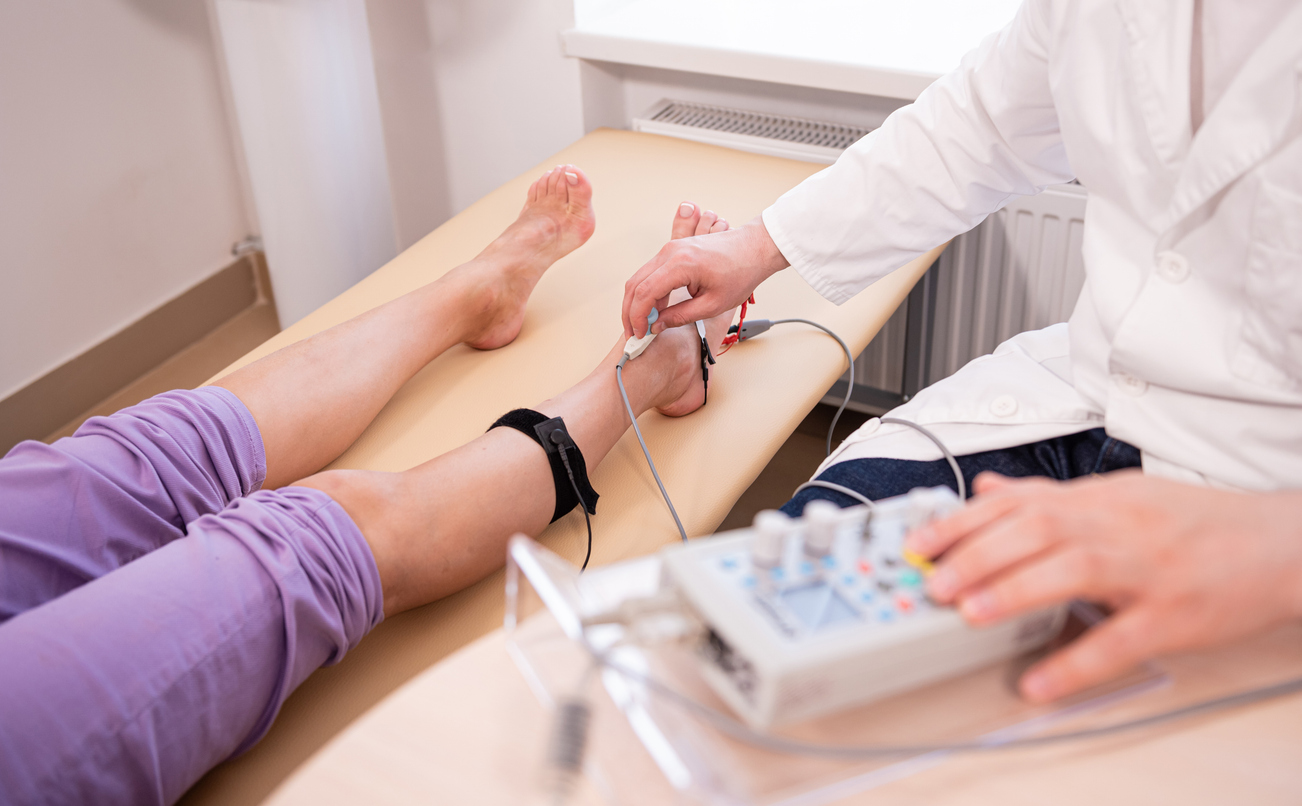
A physical exam and detailed symptom history help guide testing. Doctors may use an ankle-brachial index (ABI) to compare blood pressure in the arms and legs, revealing reduced circulation. Other tests may include a Doppler ultrasound, arterial imaging (CT or MR angiography) or treadmill testing, which tracks symptoms during activity. These tools help confirm whether restricted blood flow is cause of the leg pain and guide treatment planning.

Quitting smoking, eating a heart-healthy diet and managing your blood pressure, cholesterol and blood sugar can slow disease progression and reduce symptoms.

Therapies such as cilostazol can help improve walking distance, while others can help manage contributing factors like high cholesterol or blood pressure.

Regular, structured walking programs can improve your walking distance without pain and help your body use oxygen more efficiently.

If symptoms don’t improve, balloon angioplasty and/or stenting may be used to open narrowed arteries and restore blood flow. In more advanced cases, your doctor may recommend bypass surgery to create a new path around blocked arteries.
At Inspira, we offer expert care for claudication with a focus on lasting relief and better mobility. Our vascular specialists collaborate with a network of cardiologists, primary care physicians, physical therapists, diabetes specialists and more to create tailored treatment plans that target both symptoms and underlying causes like PAD. We use advanced diagnostics and evidence-based therapies to help restore circulation and reduce leg pain. Our team guides you from your first visit through ongoing support, empowering you to move confidently and enjoy a more active life.
This article outlines key symptoms to watch for when patients are referred for vascular care and how...

Paul Maurice turned to Inspira Rehab Services for pain relief and mobility after an ankle injury. He...

Blood clots can happen to anyone, even elite athletes. Here’s what to know about how blood clots...

Learn more about our online scheduling and schedule an appointment with your provider today.

We offer a wide variety of services at our many locations throughout New Jersey, including award-winning obstetrics and gynecology, cancer care and orthopedics.

World class care is in your backyard. Learn more about our local and nationally renowned physicians.