
This article outlines key symptoms to watch for when patients are referred for vascular care and how...

A mesenteric aneurysm is a rare but serious condition where an artery that supplies blood to the intestines weakens. Left untreated, it can lead to life-threatening complications, but early detection and treatment can significantly improve outcomes.
A mesenteric aneurysm is a bulge or balloon in the wall of a mesenteric artery, one of the blood vessels that delivers blood to your intestines. It forms when part of the artery wall weakens, allowing it to stretch abnormally. Though rare, mesenteric aneurysms can be life-threatening if they rupture, leading to internal bleeding and compromised blood flow to the digestive tract.
Mesenteric aneurysms can be caused by conditions that damage blood vessels over time, such as atherosclerosis, infection, inflammation or trauma. They may also be related to congenital conditions or connective tissue disorders that weaken artery walls.
There are several types of mesenteric aneurysms, classified based on which artery is affected:
Risk factors for mesenteric aneurysms include high blood pressure, smoking, high cholesterol, age and a history of vascular disease. Certain infections, inflammatory conditions like vasculitis, abdominal trauma or surgery can also increase the likelihood of developing a mesenteric aneurysm.
Many mesenteric aneurysms don’t cause symptoms until they grow large or rupture, but when symptoms do appear, they may include:
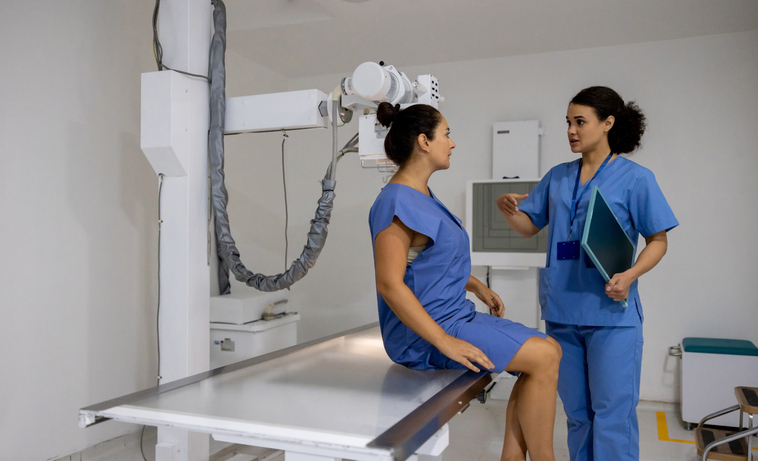
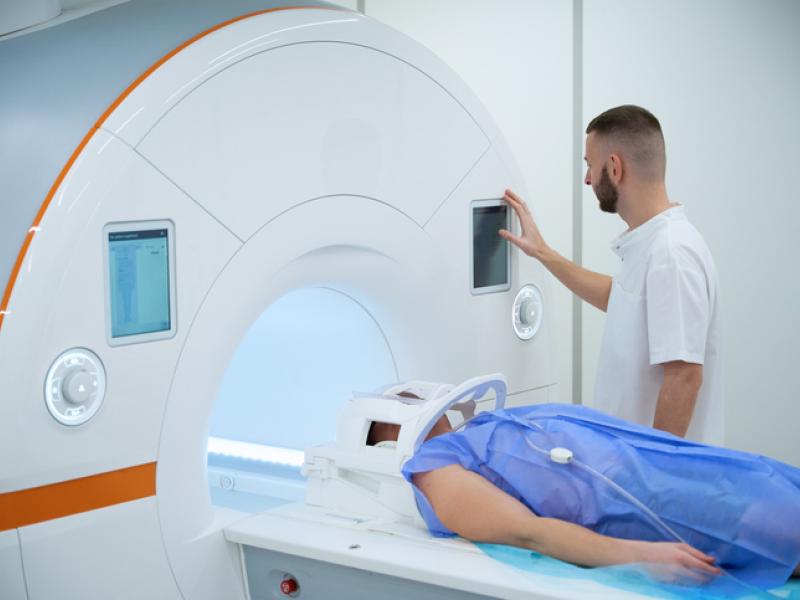
Mesenteric aneurysms are usually detected during imaging tests for other health issues, as symptoms rarely appear early. Doctors confirm the diagnosis with advanced imaging like CT angiography or MR angiography, which pinpoints the aneurysm's size and location. Ultrasound can quickly evaluate blood flow in urgent cases. These diagnostic tools help assess rupture risk and guide the best treatment plan.
Small, asymptomatic aneurysms may be monitored regularly with imaging to track changes in size or shape over time.

Managing blood pressure and cholesterol and quitting smoking can slow aneurysm growth. Doctors may prescribe medications to reduce strain on blood vessels.

A minimally invasive procedure where a stent graft is inserted through a blood vessel to reinforce the weakened artery wall and prevent rupture.

In more severe or complex cases, open surgery can remove or bypass the aneurysm. This approach is often reserved for large or symptomatic aneurysms with a high rupture risk.
At Inspira, our vascular experts use advanced diagnostics and personalized care to treat mesenteric aneurysms. We offer minimally invasive endovascular repair, open surgery for complex cases and careful monitoring based on your needs. Our multidisciplinary team ensures coordinated care by collaborating with radiologists, vascular surgeons and critical care specialists, ensuring you receive expert, timely care and clear guidance about your options.

This article outlines key symptoms to watch for when patients are referred for vascular care and how...

Paul Maurice turned to Inspira Rehab Services for pain relief and mobility after an ankle injury. He...

Blood clots can happen to anyone, even elite athletes. Here’s what to know about how blood clots...

Learn more about our online scheduling and schedule an appointment with your provider today.

We offer a wide variety of services at our many locations throughout New Jersey, including award-winning obstetrics and gynecology, cancer care and orthopedics.

World class care is in your backyard. Learn more about our local and nationally renowned physicians.