
This article outlines key symptoms to watch for when patients are referred for vascular care and how...

When your kidneys can no longer filter waste and fluid from your blood effectively, it can lead to serious health complications. Hemodialysis is a life-sustaining treatment that takes over this vital function to help you feel better and stay healthier.
Hemodialysis is a life-sustaining treatment for people with kidney failure, also called end-stage renal disease (ESRD). When the kidneys can no longer filter waste, toxins and excess fluid, hemodialysis acts as an artificial replacement to maintain electrolyte balance and control blood pressure.
This treatment is commonly used for kidney failure caused by diabetes, high blood pressure, inflammation of the kidney’s filtering units (glomerulonephritis) and polycystic kidney disease. It may also be used temporarily for acute kidney injury. Hemodialysis helps relieve symptoms like swelling, fatigue, nausea and shortness of breath—improving quality of life for many.
Although it doesn’t cure kidney disease, hemodialysis can extend life and support daily functioning. In some cases, it’s a bridge to kidney transplant; for others, it remains a long-term treatment. Potential side effects include low blood pressure, cramps, headache, fatigue or access site issues, but most patients adjust with the right care plan.
Hemodialysis works by removing blood from the body, filtering it through a dialyzer (artificial kidney) and returning it cleaned. To make this possible, a doctor must first create a reliable access point to the bloodstream.
The most common and durable access type is an arteriovenous fistula (AVF), a surgical connection between an artery and vein, usually in the arm. If AVF isn’t suitable, an arteriovenous graft (AVG) using a synthetic tube may be placed. For immediate or temporary use, a central venous catheter is inserted in a large vein in the neck or chest using a minimally invasive technique.
Once access is in place, blood flows through the machine, where waste, excess fluid and toxins are filtered out. This process helps restore chemical balance and prevents complications from kidney failure.
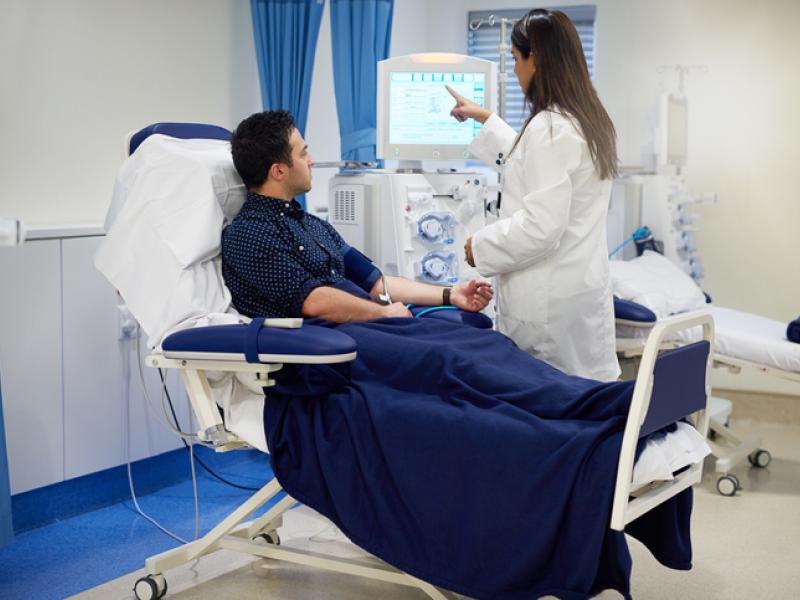
In-center hemodialysis, the most common form, is performed at a dialysis clinic or hospital. Patients typically visit the center three times per week for sessions lasting about four hours.
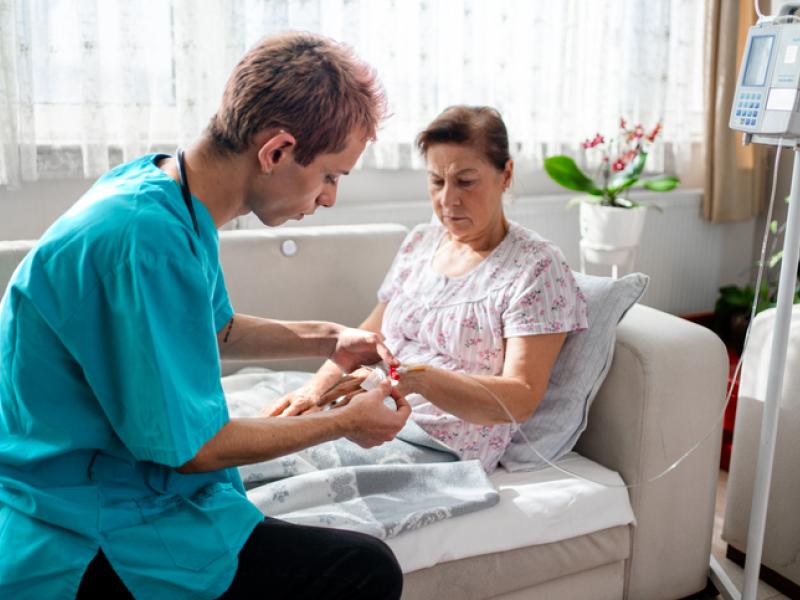
With proper training and support, patients can perform dialysis at home. Home dialysis offers increased flexibility in scheduling and may allow for more frequent or shorter sessions, depending on the treatment plan.

This type of dialysis happens overnight while the patient sleeps at home or in a dialysis center. It runs for a longer duration at a slower pace, which may result in fewer side effects and improved overall tolerance.
Before each session, your care team will check your weight, blood pressure, pulse and temperature. They’ll inspect the access site to ensure it’s functioning well and may order imaging like a fistulogram if needed.
Once cleared, you’ll be seated in a dialysis chair and connected to the machine using two needles or a catheter line. The session typically lasts 3 to 5 hours and is usually done three times a week. You can relax, read, watch TV or rest during treatment. After dialysis, your access site will be cleaned and bandaged, and you’ll be reweighed to track fluid removal. Most people resume normal activities the same day. Staying hydrated, following a kidney-friendly diet and adhering to your care plan between sessions can improve outcomes and help you feel your best.
This article outlines key symptoms to watch for when patients are referred for vascular care and how...

Paul Maurice turned to Inspira Rehab Services for pain relief and mobility after an ankle injury. He...

Blood clots can happen to anyone, even elite athletes. Here’s what to know about how blood clots...

Learn more about our online scheduling and schedule an appointment with your provider today.

We offer a wide variety of services at our many locations throughout New Jersey, including award-winning obstetrics and gynecology, cancer care and orthopedics.

World class care is in your backyard. Learn more about our local and nationally renowned physicians.