
This article outlines key symptoms to watch for when patients are referred for vascular care and how...
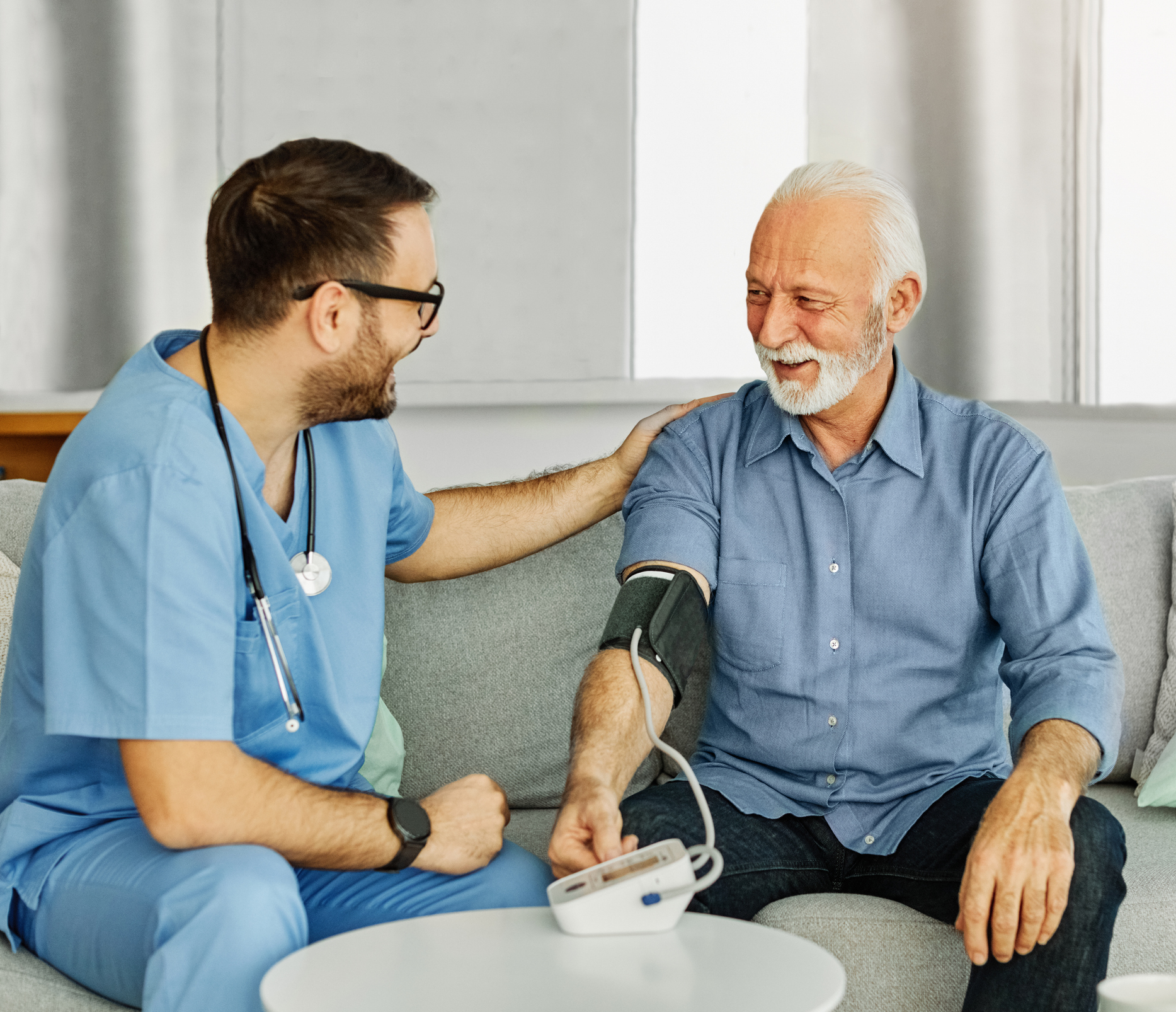
Venous disease develops when the one‑way valves in your leg veins weaken or become damaged, allowing blood to pool and causing symptoms like aching, swelling and visible veins. With lifestyle changes and minimally invasive treatments, most people with this condition can regain comfort, improve circulation and maintain an active lifestyle.
Venous disease refers to a range of conditions in which the veins, most often in the legs, lose their ability to return blood to the heart efficiently. In someone without venous disease, tiny one‑way valves inside the veins open and close with each muscle contraction, preventing blood from flowing backward. When these valves weaken or become damaged, blood can pool in the legs, increasing pressure on vein walls and leading to symptoms such as aching, heaviness, swelling and visible bulging veins.
Venous diseases are caused by weakened or damaged vein valves that disrupt normal blood flow. Risk factors that increase your likelihood of developing this condition include a family history of vein problems, age, prolonged standing or sitting, obesity, pregnancy and prior leg injury or surgery. Recognizing and addressing these causes early can help slow progression and improve outcomes.
Venous disease can manifest through a variety of uncomfortable and visible signs in your legs, including:
Your doctor will review your symptoms and risk factors then examine your legs for swelling, skin changes or visible veins. A duplex ultrasound checks blood flow and finds valve issues or clots. Sometimes a D-dimer blood test helps rule out DVT. For more details, CT or MR venography maps the deep veins and guides treatment.
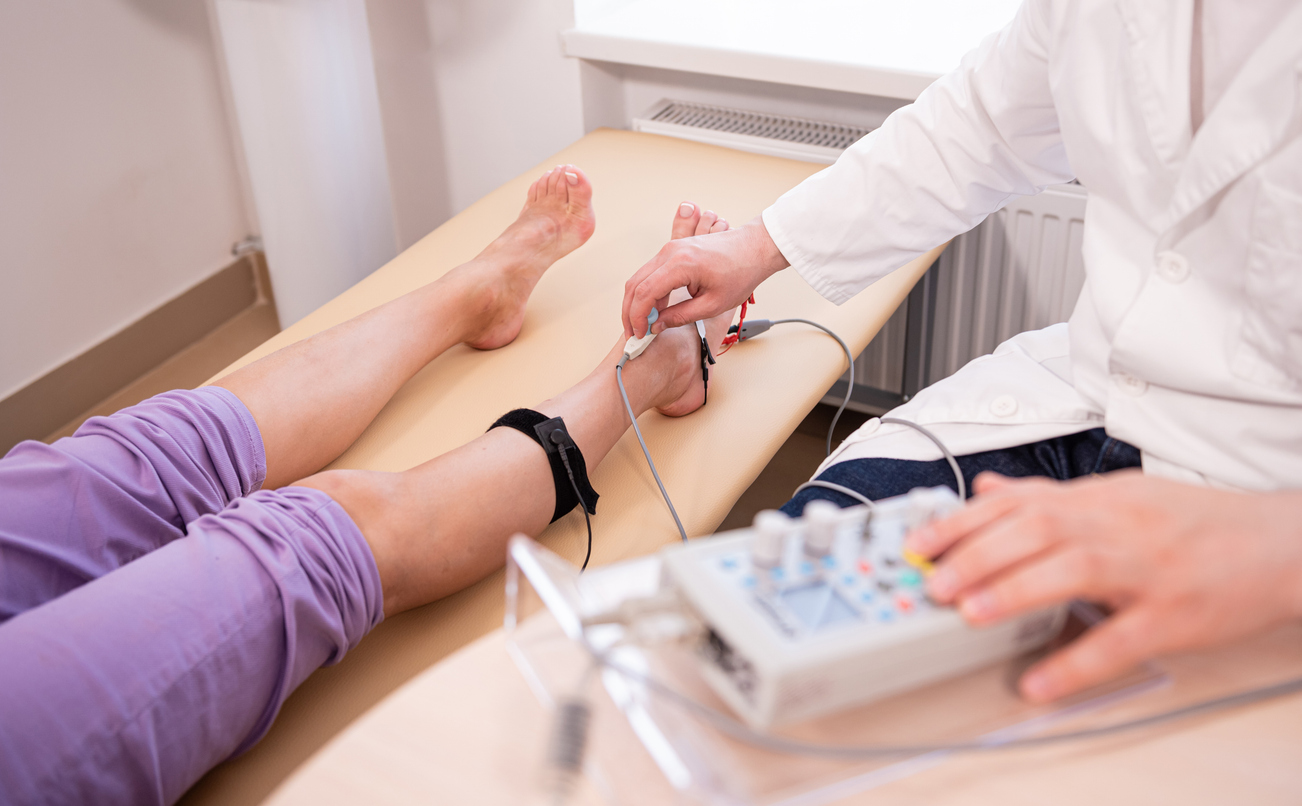

In advanced cases with skin breakdown, specialized wound care helps promote healing and prevent infection.

In cases of vein narrowing or obstruction, your doctor might place a small mesh stent to hold the vein open and restore normal blood flow.
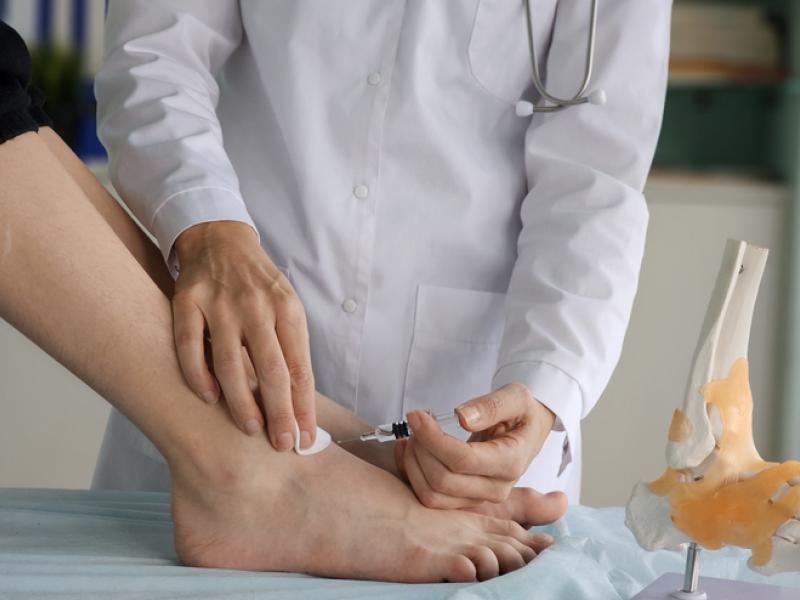
A solution is injected into small varicose or spider veins, causing them to collapse and fade over time.
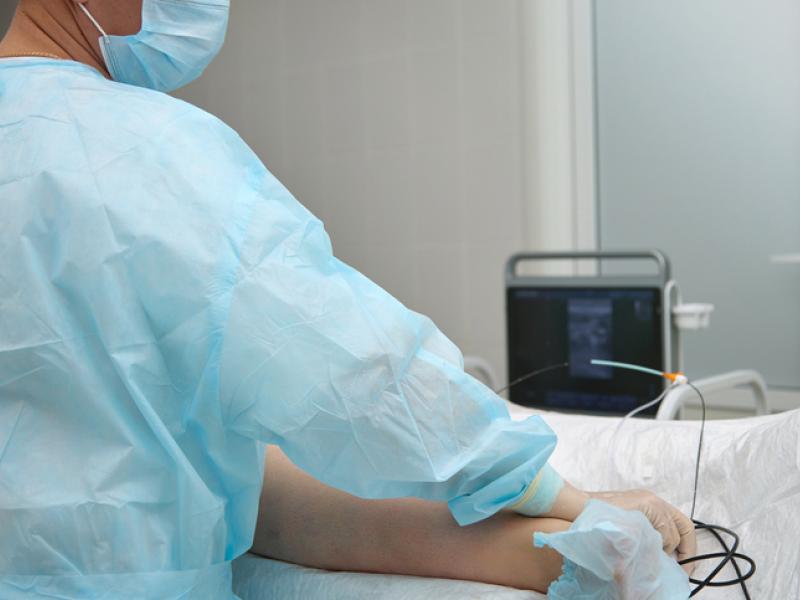
A catheter delivers heat via laser or radiofrequency to close off faulty veins, rerouting blood to healthier veins.
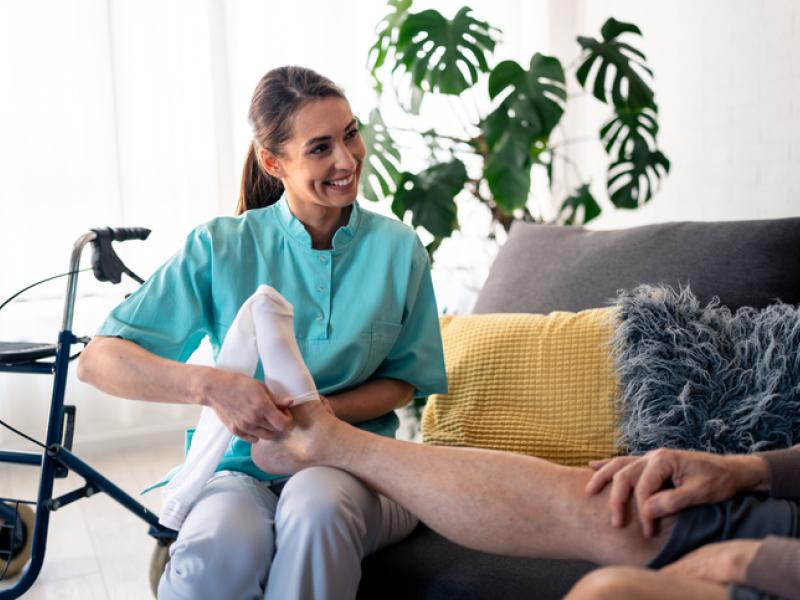
Specially fitted elastic stockings help promote upward blood flow and relieve symptoms such as swelling and discomfort.

This procedure involves tying off and removing larger varicose veins through small incisions.
Regular exercise, leg elevation and weight management can improve circulation and reduce pressure on the veins. Medications, such as antiplatelets, anticoagulants or venoactive drugs, can reduce clot risk or vein inflammation.
Treatment At Inspira, we offer personalized care for venous disease with our multidisciplinary team of vascular specialists, wound care specialists, imaging professionals, interventional radiologists. Using advanced diagnostics, we create a custom treatment plan to address your specific needs. Our team guides you through every step, focusing on comfort, mobility and improved vein health. Whether you’re managing varicose veins or facing complications like leg ulcers or DVT, we’re here to guide you through every step of your treatment journey with compassion.
This article outlines key symptoms to watch for when patients are referred for vascular care and how...
Paul Maurice turned to Inspira Rehab Services for pain relief and mobility after an ankle injury. He...

Blood clots can happen to anyone, even elite athletes. Here’s what to know about how blood clots...

Learn more about our online scheduling and schedule an appointment with your provider today.

We offer a wide variety of services at our many locations throughout New Jersey, including award-winning obstetrics and gynecology, cancer care and orthopedics.

World class care is in your backyard. Learn more about our local and nationally renowned physicians.