
This article outlines key symptoms to watch for when patients are referred for vascular care and how...

Deep vein thrombosis is a condition in which blood clots form in the deep veins, most commonly in the legs, causing pain, swelling and discomfort. Early recognition and prompt treatment are essential to reduce the risk of life-threatening complications like a pulmonary embolism.
Deep vein thrombosis (DVT) happens when a blood clot forms in one of the deep veins, most often in the legs or pelvis. When blood flow slows down or becomes uneven, tiny cell fragments called platelets and a protein called fibrin can accumulate and stick to the vessel wall. Over time, the clot can grow and partially or fully block the vein, leading to pain, swelling and a feeling of heaviness in the affected limb.
Several factors contribute to DVT development, including slow or turbulent blood flow, called venous stasis, which can happen during prolonged immobility, vein wall injuries from surgery or trauma and increased blood coagulability due to genetic or acquired conditions.
Other risk factors include age, obesity, smoking, hormone therapy or pregnancy, certain chronic illnesses and a previous history of blood clots. Identifying these risks early helps guide prevention and prompt treatment.
DVT symptoms can vary but often include one or more of the following signs:
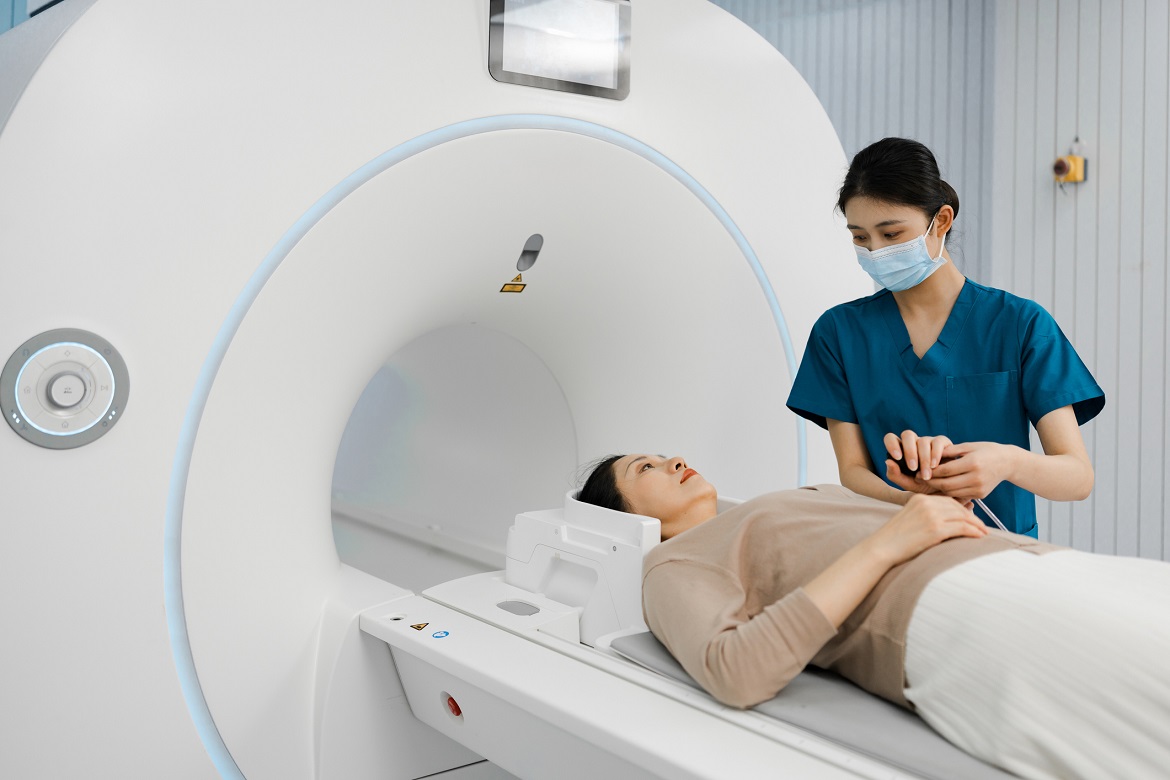
DVT diagnosis involves reviewing your symptoms, medical history and risk factors. A D-dimer blood test checks for clot fragments in your blood. Most often, a duplex ultrasound confirms DVT by showing blood flow and any clots in your veins. If results are inconclusive, venography, an X-ray that uses injected contrast dye and imaging like CT or MRI may be used for a more detailed view or when a proximal DVT is suspected to be present.
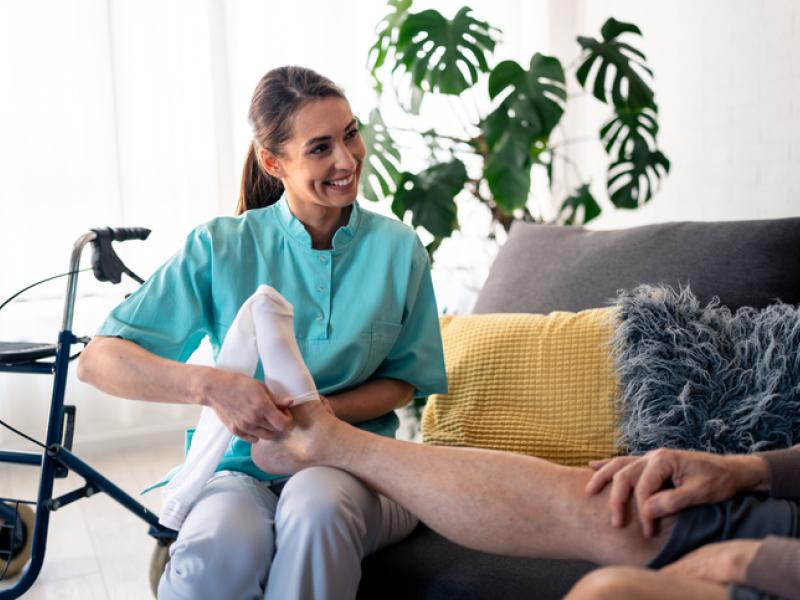
As part of a comprehensive DVT care plan, wearing graded compression stockings and elevating your leg help reduce swelling and improve blood flow, easing symptoms and lowering the risk of long-term vein damage.

Gentle walking and calf-strengthening exercises encourage circulation in the leg, helping prevent clot extension and promoting gradual clot resolution.

Blood thinners prevent existing clots from growing and reduce the risk of new clots forming. These therapies typically last for at least three months, depending on risk factors.
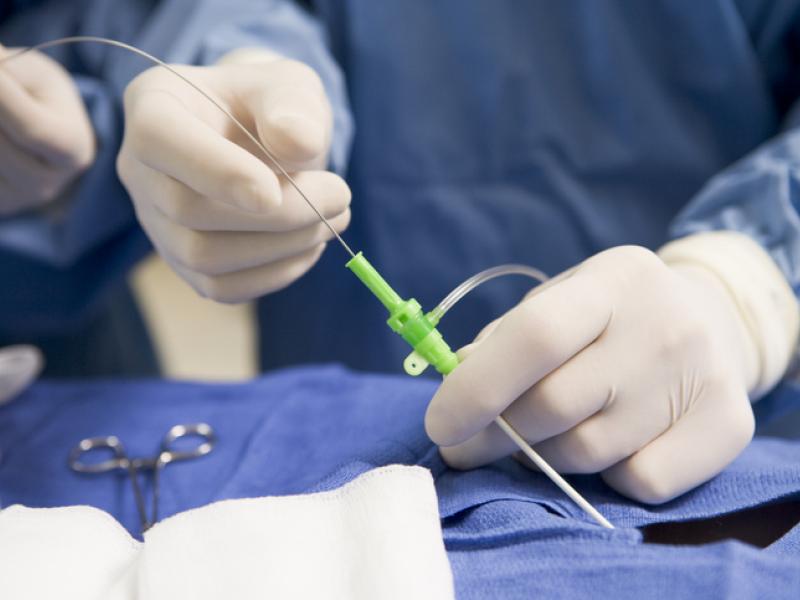
If you cannot take blood-thinning medications or they aren’t keeping clots from forming, a small filter inserted into the IVC can prevent clots from traveling to the lungs, providing temporary or long-term protection.

Catheter-directed thrombolysis is a minimally invasive procedure in which a catheter delivers clot-dissolving medication directly into the thrombus. This treatment is reserved for extensive or limb-threatening DVT when rapid clot removal is needed.

Your doctor may recommend open or endovascular clot removal when other treatments fail or in cases of massive DVT causing severe limb ischemia. This approach carries higher procedural risks and requires careful patient selection.
At Inspira, we act fast to diagnose and treat deep vein thrombosis. Our team coordinates your care from your first visit, ensuring quick testing and prompt expert consultation. Whether you need same-day imaging, prompt anticoagulation management or compression therapy guidance, we are here for you. We focus on prevention and long-term support. Our nurses and patient educators provide education on lifestyle changes, follow-up care and monitoring to help prevent DVT from returning. We guide you through every step, so you can recover quickly and maintain healthy veins.
This article outlines key symptoms to watch for when patients are referred for vascular care and how...

Paul Maurice turned to Inspira Rehab Services for pain relief and mobility after an ankle injury. He...

Blood clots can happen to anyone, even elite athletes. Here’s what to know about how blood clots...

Learn more about our online scheduling and schedule an appointment with your provider today.

We offer a wide variety of services at our many locations throughout New Jersey, including award-winning obstetrics and gynecology, cancer care and orthopedics.

World class care is in your backyard. Learn more about our local and nationally renowned physicians.