
This article outlines key symptoms to watch for when patients are referred for vascular care and how...
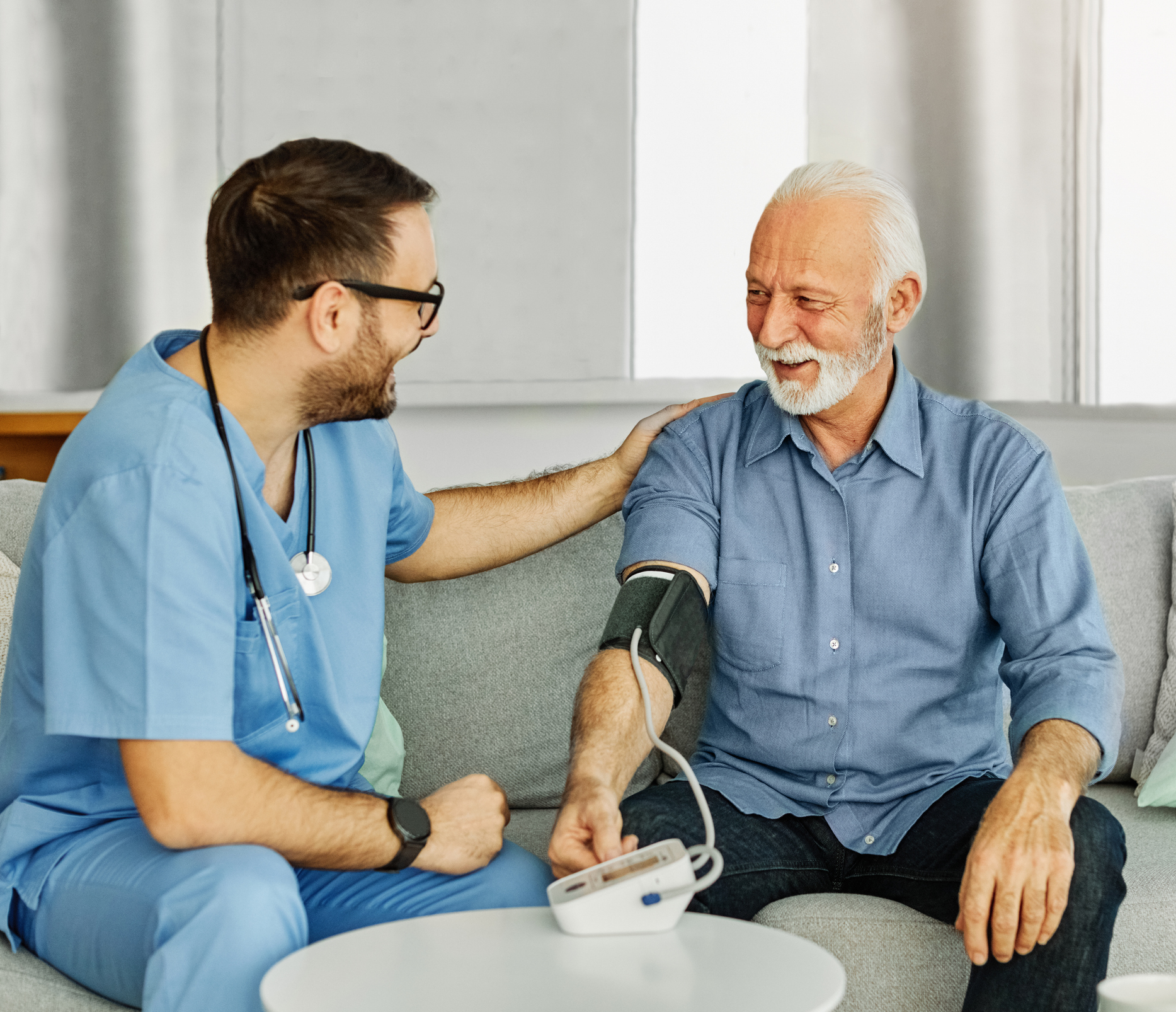
Varicose veins are large, twisted veins that often appear on the legs and can cause aching, swelling or a heavy sensation. While they’re common and can be harmless, treatment can help relieve discomfort and prevent complications.
Varicose veins are enlarged, twisted veins most commonly found in the legs. These veins develop when valves inside the veins weaken or fail, causing blood to pool and veins to swell.
Unlike spider veins, which are small, thin and located close to the skin’s surface, varicose veins are larger, swollen and twisted veins that develop deeper within the legs. Varicose veins often cause symptoms like pain, swelling and heaviness, while spider veins tend to be mostly a cosmetic concern. Because of these differences, each condition may require different treatment approaches. Varicose vein treatment aims to reduce its symptoms, improve appearance and prevent complications, which can include skin ulcers or blood clots.
Varicose vein treatment works by closing off or removing the affected veins, allowing blood to reroute through healthier vessels. The goal is to reduce pressure in the damaged veins, relieve symptoms and prevent complications. Treatments aim to restore proper circulation and vein function.
In minimally invasive procedures, the doctor inserts a thin catheter into the affected vein and delivers heat energy to seal it shut. In sclerotherapy, a chemical solution is injected directly into the vein, causing it to collapse and eventually be reabsorbed by the body. For more prominent surface veins, ambulatory phlebectomy allows your doctor to remove varicose veins through small punctures in the skin. In cases where larger veins are involved, vein stripping and ligation can surgically remove the damaged vessel.
Over time, the body naturally redirects blood flow to healthier veins, and the treated veins fade or are absorbed. These treatments are effective in reducing symptoms and preventing the progression of venous disease.
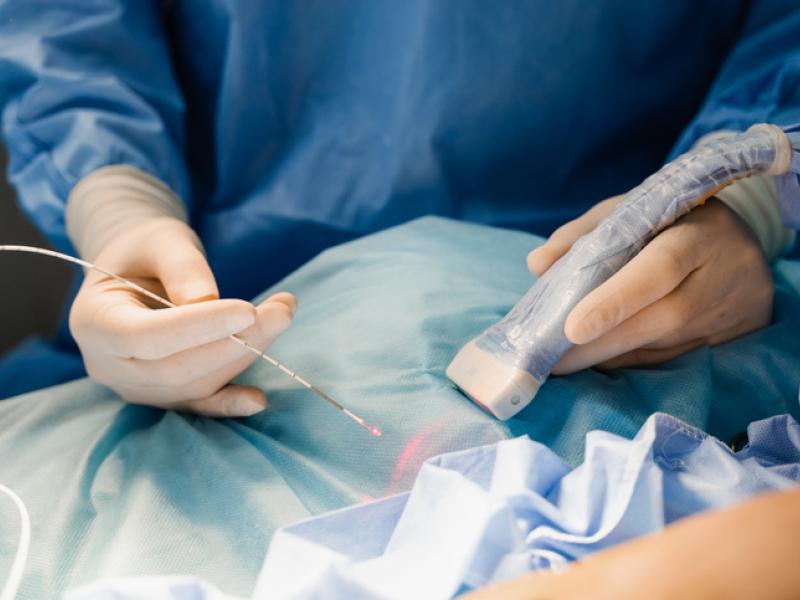
A thin laser fiber is inserted into the affected vein to deliver heat, sealing it shut from the inside. This minimally invasive procedure can address larger varicose veins in the legs.
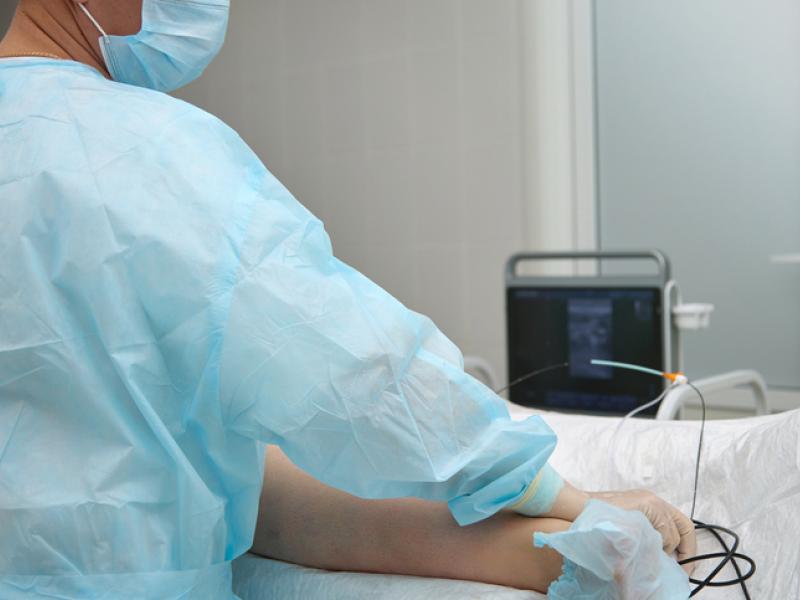
Similar to EVLT, RFA uses radiofrequency energy instead of laser to heat and close off the diseased vein. RFA, performed under local anesthesia is a safe and effective option.
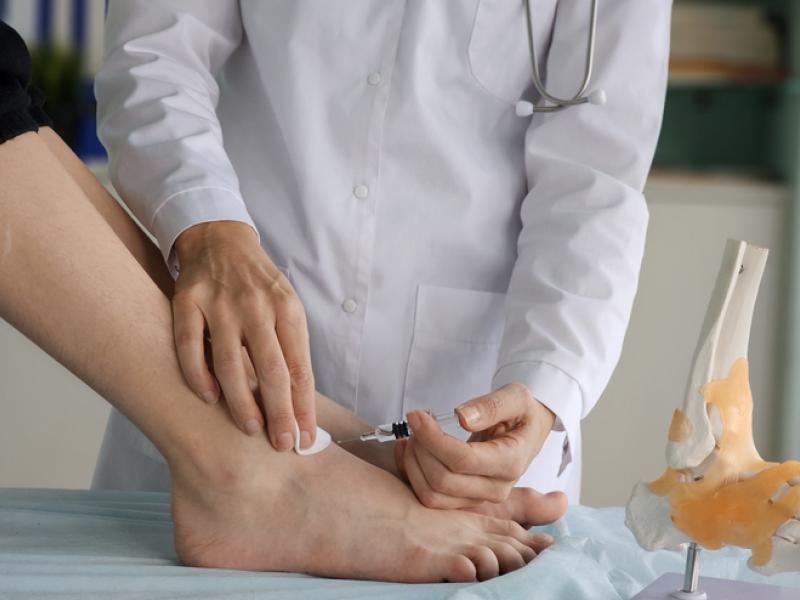
A solution is injected directly into the varicose vein, causing it to collapse and fade over time. Sclerotherapy often targets smaller varicose veins and spider veins.
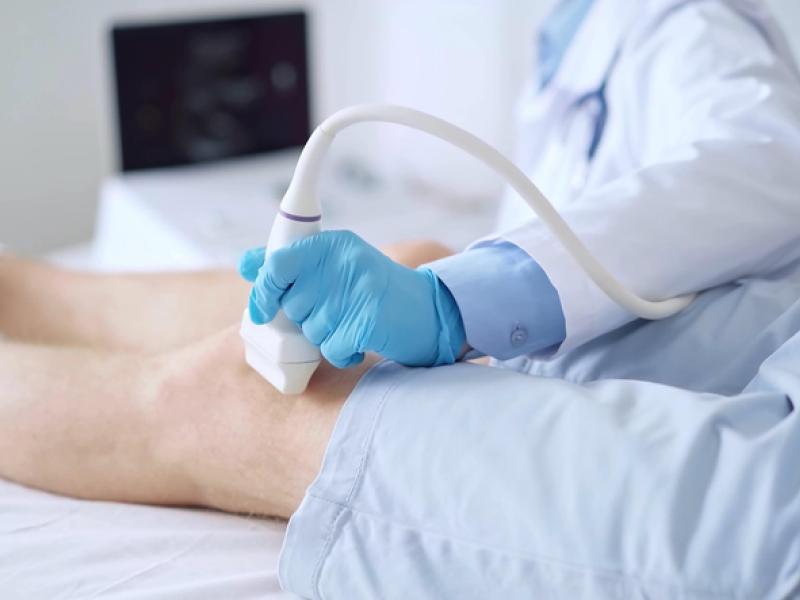
This variation of sclerotherapy uses a foam solution and ultrasound guidance to treat deeper or larger varicose veins that are not visible on the surface.
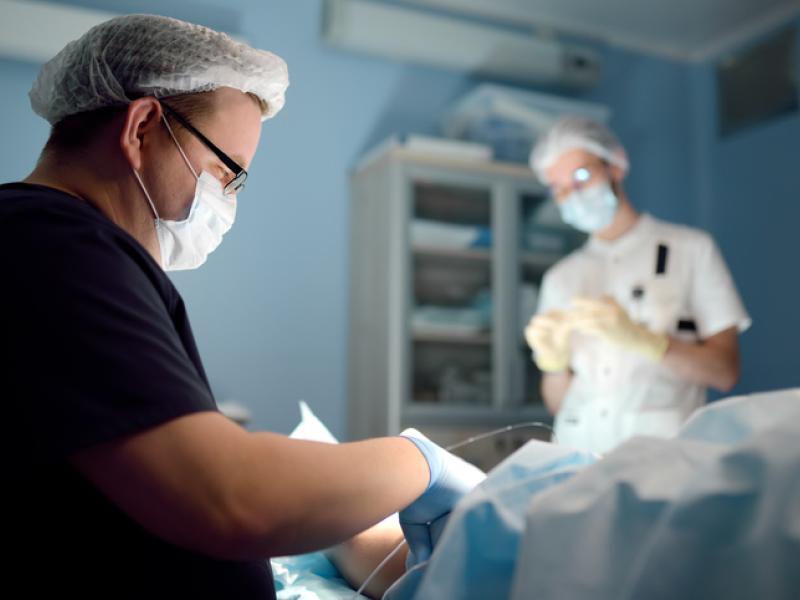
Small surface veins are removed through tiny skin punctures using a specialized hook. This treatment often addresses bulging veins near the skin, leaving minimal scarring.

This surgical procedure involves tying off and removing a large varicose vein through small incisions. It’s typically reserved for severe cases or when less invasive treatments aren’t effective.
Before treatment, your care team will review your health history and scan the area to pinpoint problem veins. You may be told to avoid specific medications and wear comfortable clothes. Most procedures are outpatient and use local anesthesia. During your visit, your leg will be numbed. Depending on the treatment type, your provider may insert a catheter, deliver heat or medication or remove veins through small incisions. The process usually takes less than an hour, and you can walk soon after. Afterward, expect to wear compression dressing and avoid heavy activity for a few days. Mild bruising or swelling is normal but should fade as you heal. Follow-up visits help track recovery and results.
This article outlines key symptoms to watch for when patients are referred for vascular care and how...
Paul Maurice turned to Inspira Rehab Services for pain relief and mobility after an ankle injury. He...
Blood clots can happen to anyone, even elite athletes. Here’s what to know about how blood clots...

Learn more about our online scheduling and schedule an appointment with your provider today.

We offer a wide variety of services at our many locations throughout New Jersey, including award-winning obstetrics and gynecology, cancer care and orthopedics.

World class care is in your backyard. Learn more about our local and nationally renowned physicians.