
This article outlines key symptoms to watch for when patients are referred for vascular care and how...

An aortic ulcer is a type of injury in the wall of the aorta, the main artery that carries blood from your heart to the rest of your body. It may start with mild symptoms, but if left untreated, it can become serious, making early diagnosis and management important.
An aortic ulcer is a small, crater-like break in the inner lining (intima) of the aorta. It often develops where hardening of the arteries (atherosclerosis), has led to fatty plaque accumulation and weakened the aortic wall. Over time, blood pressure can force its way into this defect, creating a pocket that may deepen and extend into the middle layer of the aortic wall. If the ulcer progresses unchecked, it can cause an intramural hematoma, full-thickness dissection or rupture.
There are several ways to classify aortic ulcers based on how deeply they penetrate and where they occur:
Several factors can weaken the aortic wall and increase the likelihood of ulcer formation. Atherosclerosis from high cholesterol or long-term smoking creates rough spots where the inner lining can break down. Uncontrolled high blood pressure can add stress to the vessel wall, and natural age-related thinning of the aorta further reduces its resilience. Inherited connective tissue disorders also compromise the aorta’s strength, and trauma or some invasive procedures near the chest can sometimes trigger an ulcer.
Symptoms of an aortic ulcer can vary, but many people experience sudden, intense pain and signs of complications as the ulcer progresses, including:
Doctors diagnose an aortic ulcer using advanced imaging like CT angiography, which highlights the aorta and reveals ulcers or intramural blood collections. Magnetic resonance angiography (MRA) offers a radiation-free alternative using magnetic fields and contrast agents to produce high-resolution images of the aortic layers. MRI and transesophageal echocardiography (TEE) can also detect vessel wall problems and related complications.


The first step in treatment is often managing blood pressure with medications such as beta blockers. Lowering the pressure in the aorta helps prevent the ulcer from getting worse or leading to a dissection.
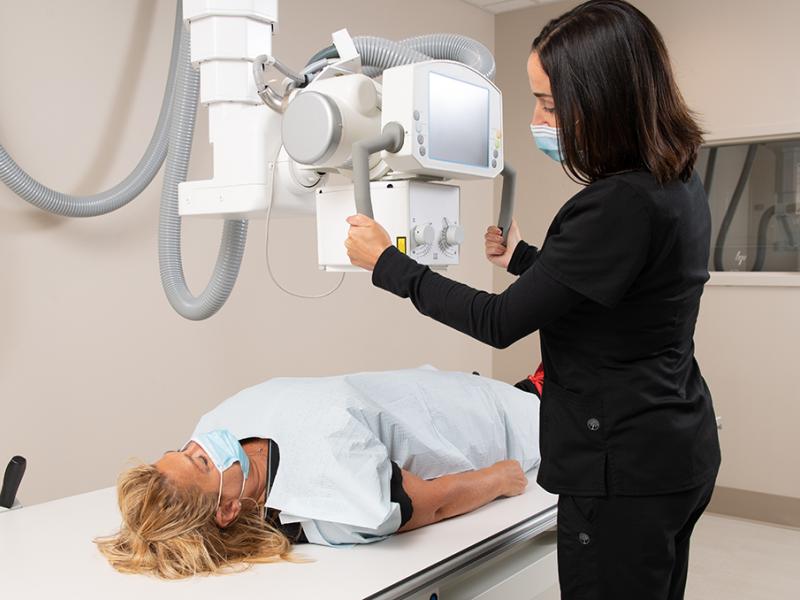
If the ulcer is stable and not causing symptoms, your doctor may recommend regular imaging to monitor it closely over time.

If the ulcer is deep, growing or causing bleeding, your doctor may use a minimally invasive procedure called thoracic endovascular aortic repair. A stent graft is placed through a small incision in the groin to reinforce the weakened part of the aorta from the inside.

In rare, high-risk cases, like when the ulcer has ruptured or is part of a complex dissection, open surgical repair can remove the damaged portion of the aorta and replace it with a graft.
At Inspira, we rely on a collaborative team to diagnose and treat aortic ulcers promptly and effectively. Our specialists in cardiology, vascular surgery, radiology, critical care, and more work together to create personalized treatment plans for each patient. From advanced imaging to minimally invasive repairs or surgery, we use the latest technology and techniques. Our comprehensive services support patients from early detection through precise care and ongoing vascular health management.

This article outlines key symptoms to watch for when patients are referred for vascular care and how...

Paul Maurice turned to Inspira Rehab Services for pain relief and mobility after an ankle injury. He...

Blood clots can happen to anyone, even elite athletes. Here’s what to know about how blood clots...

Learn more about our online scheduling and schedule an appointment with your provider today.

We offer a wide variety of services at our many locations throughout New Jersey, including award-winning obstetrics and gynecology, cancer care and orthopedics.

World class care is in your backyard. Learn more about our local and nationally renowned physicians.