
This article outlines key symptoms to watch for when patients are referred for vascular care and how...

A pulmonary embolism occurs when a blood clot travels to the lungs, blocking blood flow and leading to sudden chest pain, shortness of breath or lightheadedness. This serious condition requires prompt recognition and treatment to protect lung and heart function and reduce the risk of complications.
A pulmonary embolism (PE) happens when a blood clot, most often originating in the deep veins of the legs or pelvis, dislodges and travels through the bloodstream to block one or more arteries in the lungs. When the clot becomes lodged in a pulmonary artery, it impedes blood flow, reducing oxygen delivery and increasing pressure on the right side of the heart. This blockage can lead to sudden symptoms such as chest pain, difficulty breathing, rapid heart rate or even collapse, depending on the size and location of the embolus.
PEs can be classified by their size, location and their effects on blood flow and heart function. Common types include:
Immobilization, recent surgery, trauma, active cancer and inherited clotting disorders all raise Pulmonary Embolism risk. Hormone-related causes include pregnancy, use of estrogen-containing contraceptives and hormone replacement therapy. Other PE risk factors are obesity, smoking, advanced age, heart disease and a history of deep vein thrombosis (DVT) or PE.
A PE often causes sudden symptoms that require immediate medical attention. Signs and symptoms of a PE may include:
A PE is diagnosed through patient history, physical exam and specialized tests. Doctors often use clinical risk assessment tools and D-dimer blood tests to suggest the presence of a clot. A CT pulmonary angiogram injects contrast dye to visualize blockages in lung arteries, while a ventilation‐perfusion (V/Q) scan evaluates airflow and blood flow mismatches. When imaging isn't possible, an ultrasound can identify DVT in the legs and an echocardiogram may show heart strain from a large embolus.
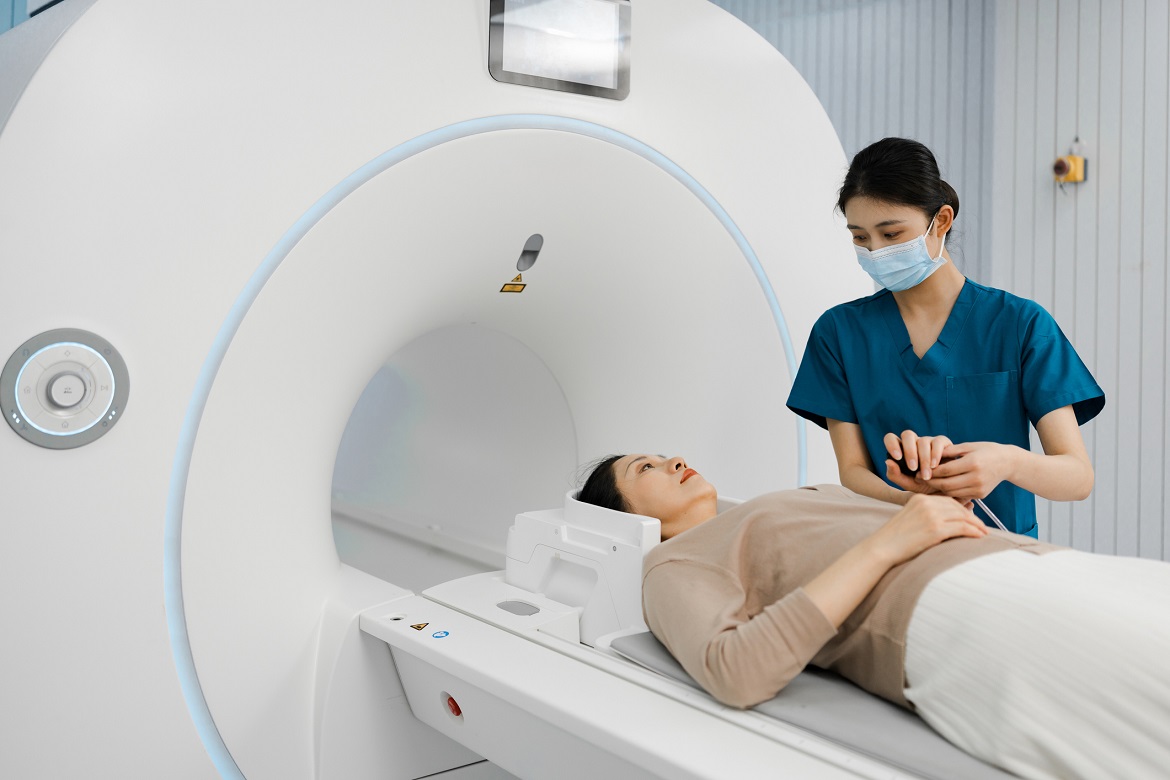

The most common treatment, these blood thinners prevent existing clots from growing and reduce the risk of new ones forming.

Used in severe or life-threatening cases, these powerful clot-busting medications rapidly dissolve clots but carry a higher risk of bleeding.

A small filter may be placed in the large abdominal vein to catch clots before they reach the lungs for patients who cannot take blood thinners.
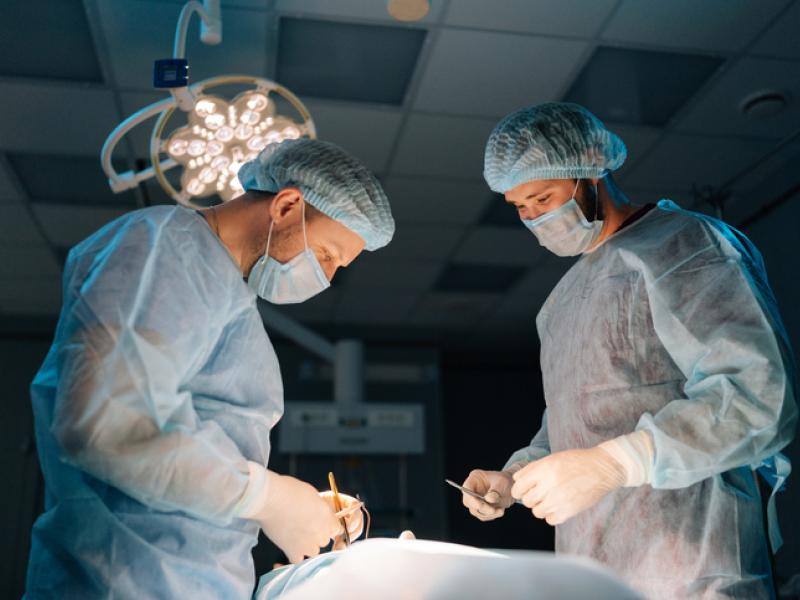
A minimally invasive procedure in which a catheter delivers clot-busting drugs directly to the site of the embolism for targeted treatment.

In emergencies, surgery can remove a large clot from the lungs. Endovascular or surgical embolectomy may be an option if other treatments have not worked or the patient is in shock.
At Inspira, we offer rapid, coordinated care for pulmonary embolism. Our team of emergency medicine, cardiology, pulmonology, hematology, interventional radiology and more delivers prompt, evidence-based care. We focus on fast diagnosis, clear communication and ongoing prevention so you can recover quickly and reduce your risk of future clots.
This article outlines key symptoms to watch for when patients are referred for vascular care and how...

Paul Maurice turned to Inspira Rehab Services for pain relief and mobility after an ankle injury. He...

Blood clots can happen to anyone, even elite athletes. Here’s what to know about how blood clots...

Learn more about our online scheduling and schedule an appointment with your provider today.

We offer a wide variety of services at our many locations throughout New Jersey, including award-winning obstetrics and gynecology, cancer care and orthopedics.

World class care is in your backyard. Learn more about our local and nationally renowned physicians.