
This article outlines key symptoms to watch for when patients are referred for vascular care and how...

Carotid artery narrowing happens when fatty deposits build up along the inner walls of the neck vessels, increasing the risk of stroke by limiting blood flow to the brain. Carotid artery stenting offers a minimally invasive way to restore healthy circulation and help protect against future stroke events.
Carotid artery stenting is a minimally invasive endovascular procedure to treat carotid artery stenosis, a narrowing of the major vessels in the neck that supply blood to the brain. During the procedure, a tiny mesh tube called a stent is guided into place across the narrowed segment, where it expands to press the plaque against the vessel wall. This process creates a smooth, wide channel for blood flow. By reinforcing the arterial wall, the stent improves blood flow and reduces the chance of plaque fragments breaking loose and causing a stroke.
It offers an alternative to carotid endarterectomy and may be recommended for individuals who are not ideal candidates for open surgery due to anatomy, medical history or other health factors.
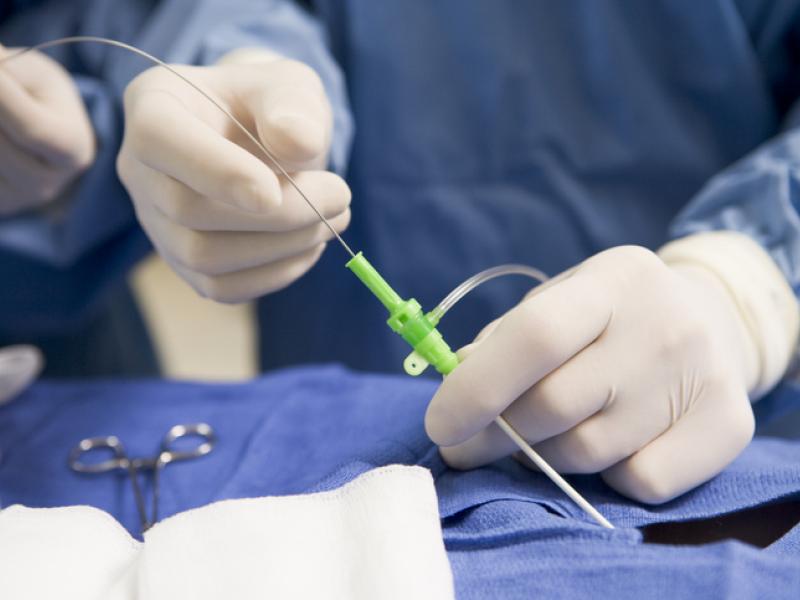
This traditional approach uses catheter access via the femoral artery in the groin. It allows easy device delivery but may carry a slightly higher risk of complications in patients with peripheral artery disease (PAD) .
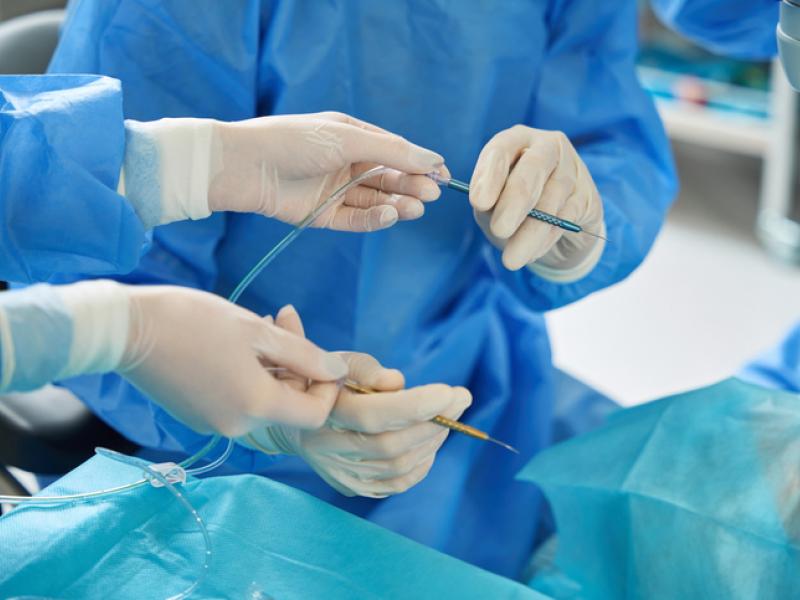
Accessed through the radial artery at the wrist, this method can improve patient comfort and reduce bleeding risks. It’s increasingly popular for eligible patients and allows earlier mobilization after the procedure.
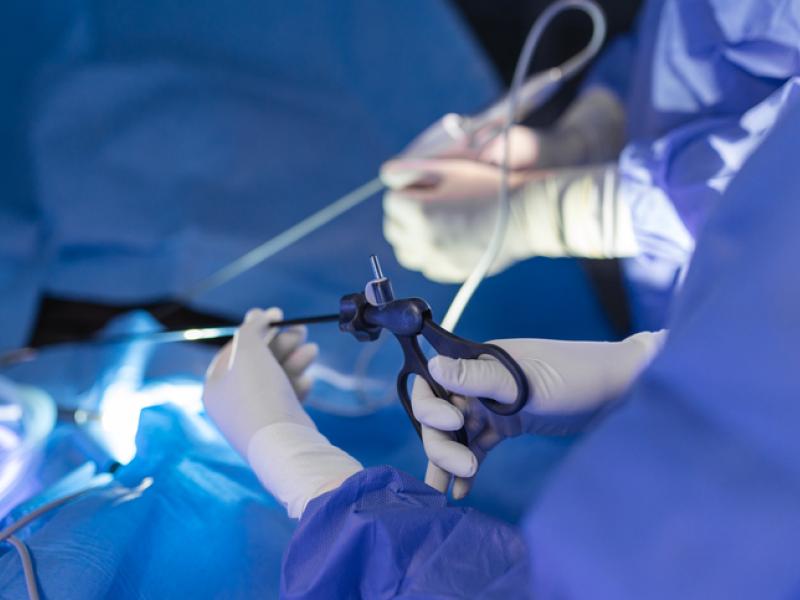
These distal filters catch dislodged plaque during stent placement. Once the stent is in place, the filter is collapsed and removed along with the captured debris.
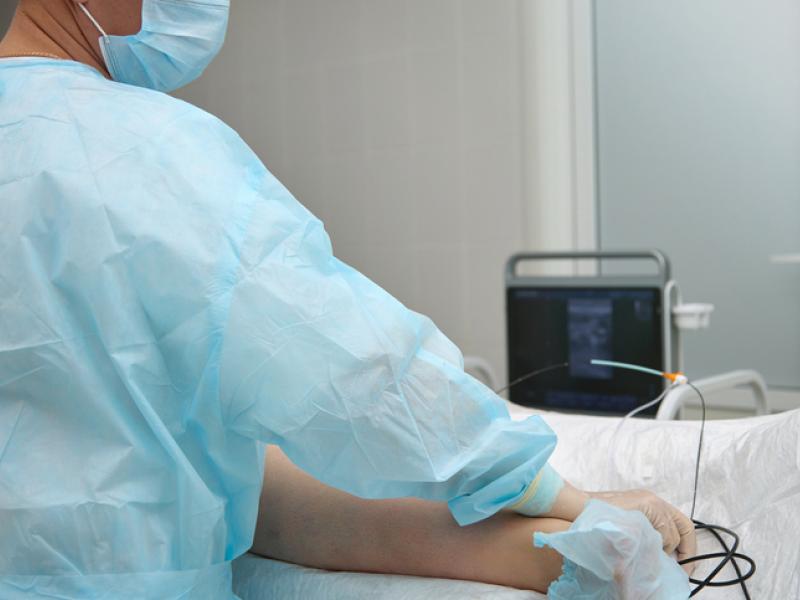
TCAR directly accesses the carotid artery at the base of the neck through a small incision and uses temporary blood flow reversal to achieve low stroke rates. It offers patients decreased procedural risk, a smaller incision and typically involves an overnight hospital stay rather than an extended visit.
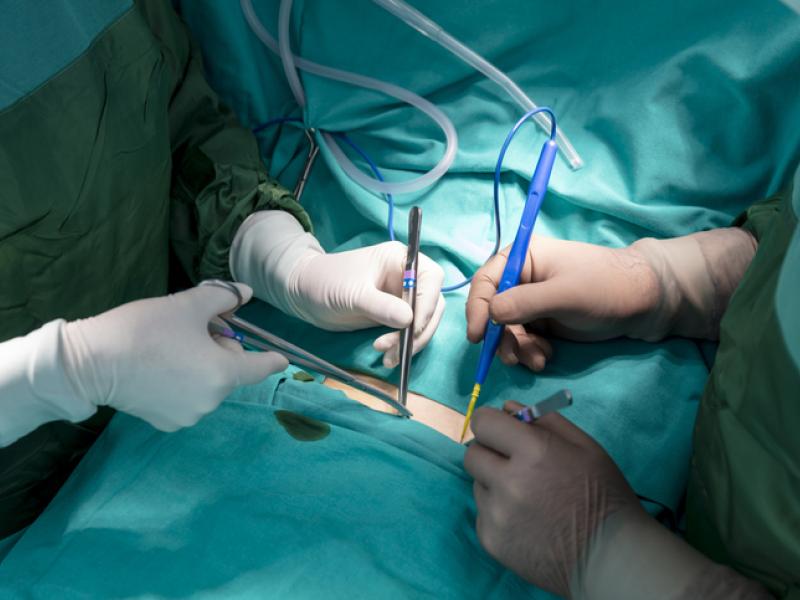
By temporarily blocking blood flow above and below the lesion (via balloons or flow reversal), this method prevents any debris from reaching the brain. It can offer more complete protection in certain high‑risk cases.
Open‑cell stents have wider spaces in their metal framework so they can bend more easily around curved arteries.
With smaller, uniformly spaced cells, closed‑cell stents provide greater scaffolding coverage of the arterial wall. This design can better contain plaque but is somewhat less conformable in sharply angled vessels.
Combining features of both open‑ and closed‑cell configurations, hybrid stents aim to balance flexibility with plaque containment. They adapt to vessel curvature while maintaining robust support where needed.
Before your procedure, your care team will review your medical history and advise you to stop taking certain medications. You will also need to fast for a few hours before your procedure, per your care team's directions.
On arrival, a small IV will be placed and you’ll receive local anesthesia with mild sedation to keep you comfortable. During the stenting, you’ll lie on a cushioned table as your doctor guides a thin catheter through a small puncture in your groin or wrist, or in some cases, through a small incision at the base of your neck, up into the affected artery. Most patients feel little more than pressure and remain awake but relaxed.
Once the stent is in place and blood flow is restored, you’ll be taken to a recovery area for close monitoring of your vital signs and the access site. You may notice mild soreness or bruising where the catheter entered. Your care team will give you clear instructions on medications, activity restrictions and follow‑up imaging to ensure your stent remains open and effective.
This article outlines key symptoms to watch for when patients are referred for vascular care and how...

Paul Maurice turned to Inspira Rehab Services for pain relief and mobility after an ankle injury. He...

Blood clots can happen to anyone, even elite athletes. Here’s what to know about how blood clots...

Learn more about our online scheduling and schedule an appointment with your provider today.

We offer a wide variety of services at our many locations throughout New Jersey, including award-winning obstetrics and gynecology, cancer care and orthopedics.

World class care is in your backyard. Learn more about our local and nationally renowned physicians.