
This article outlines key symptoms to watch for when patients are referred for vascular care and how...

Vascular surgeries use advanced, minimally invasive techniques to diagnose and treat diseases of the arteries and veins. By restoring healthy blood flow, these treatments can alleviate pain, prevent complications and help you resume daily activities with greater comfort and confidence.
Vascular surgery procedures encompass both open surgical operations and minimally invasive endovascular techniques to diagnose and repair artery and vein diseases. Open vascular surgeries involve exposing vessels through a larger incision to perform bypass grafts or remove plaque. Endovascular surgery is a subset of vascular surgery that uses small punctures and an image-guided, catheter-based approach to restore blood flow without major incisions.
These approaches address conditions such as peripheral artery disease (PAD), carotid artery disease, mesenteric arterial disease, aneurysms, deep vein thrombosis and varicose veins. By tailoring the method—open surgery, endovascular or a hybrid approach—vascular specialists can optimize safety, durability and recovery time for each patient’s unique situation.
Vascular surgery restores healthy blood flow by repairing or bypassing damaged vessels using open or endovascular techniques.
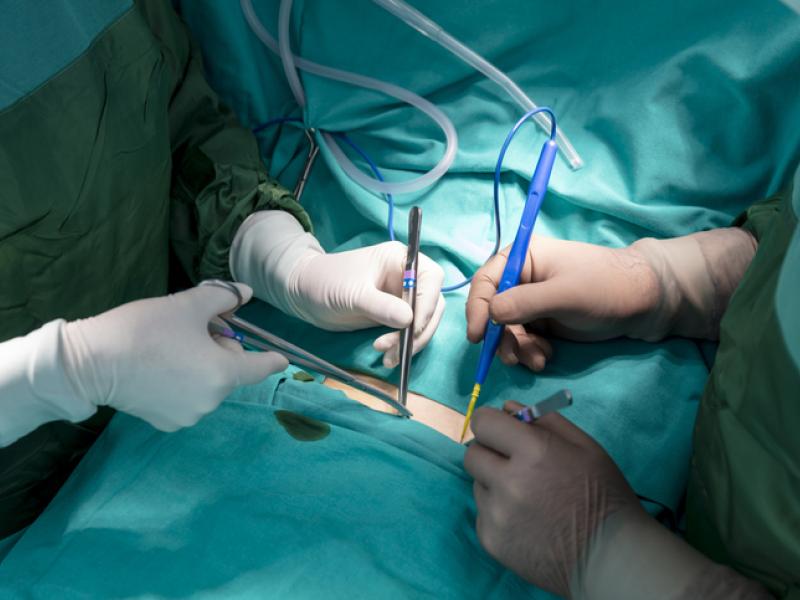
involves a small incision at the treatment site. The surgeon locates the damaged vessel, removes or bypasses the blockage with a vein or graft and closes the incision with stitches or staples. This approach provides direct access for complex repairs.
uses a tiny puncture, typically at the wrist or groin, to insert a catheter. Using live imaging, the doctor guides the catheter to the treatment site to perform tasks such as inflating a balloon, placing a stent, removing plaque or sealing an aneurysm. Because it’s less invasive, this option offers quicker recovery and less discomfort.
In some cases, both techniques may be combined to ensure optimal results.

During an endarterectomy, the surgeon makes a small incision in the artery, opens it and carefully removes built‑up plaque from the inner wall to widen the vessel and improve blood flow.

After angioplasty or on its own, a small mesh tube called a stent can prop the vessel open and reduce the chance of it narrowing again over time.

A soft, deflated balloon is guided into a narrowed artery and then inflated to stretch the vessel open, instantly improving blood flow through the affected segment.
An atherectomy involves a tiny rotating blade or laser on the tip of a catheter that shaves plaque or vaporizes away from the artery wall, providing an alternative to balloon angioplasty for some blockages.

A specialized catheter device is inserted into a clot‑filled vessel to physically grab or suction out blood clots, rapidly restoring circulation and reducing tissue damage.
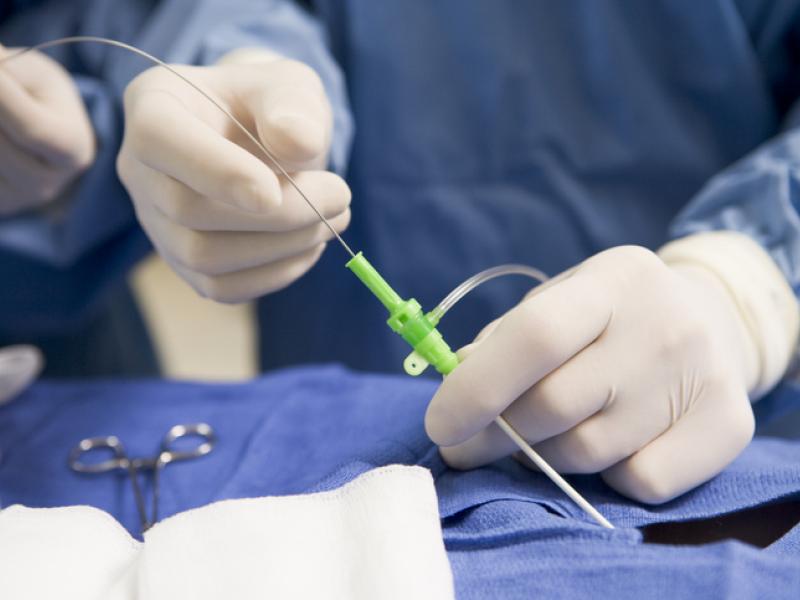
For abdominal aortic aneurysms, a fabric‑covered stent graft is delivered through a catheter and expanded inside the weakened vessel to reinforce its wall and prevent rupture.
TEVAR is similar to EVAR but targets aneurysms in the chest portion of the aorta. It uses a stent graft delivered via a catheter, often through the groin, to seal the aneurysm and restore vessel integrity.
TCAR combines direct access to the carotid artery at the base of the neck with blood flow reversal technology. It enables the safe placement of a stent to treat carotid artery stenosis with lower stroke risk.
Tiny particles, coils or liquid agents are injected through a catheter to intentionally block abnormal or bleeding vessels. Embolization is a common treatment for aneurysms, tumors and arteriovenous malformations.
A laser fiber is threaded through a diseased vein to deliver energy that seals it shut, rerouting blood flow to healthy veins and reducing symptoms of varicose veins.
A chemical solution is injected into small varicose or spider veins, causing them to collapse, scar down and gradually fade from view.
In open bypass surgery, the surgeon uses a segment of your vein or a synthetic graft to reroute blood flow around a blocked or narrowed artery, restoring circulation to downstream tissues.
Before your procedure, your care team will review your medical history, medications and imaging. You may need to stop blood thinners and fast for several hours.
On the day of surgery, you’ll change into a hospital gown and be prepped in a sterile environment. For minimally invasive procedures, you’ll remain awake under sedation while a small area is numbed. For open surgery, you’ll receive general anesthesia. Your team will monitor your vital signs and use imaging to guide tools to the treatment site to repair or bypass the damaged vessel.
After the procedure, you’ll recover in a monitored setting. Catheter-based treatments typically involve shorter hospital stays, while open surgeries may require a few days of observation. Before discharge, you’ll receive detailed instructions on activity restrictions, wound care and signs of complications. A follow-up appointment will be scheduled to monitor recovery and ensure proper blood flow.
This article outlines key symptoms to watch for when patients are referred for vascular care and how...

Paul Maurice turned to Inspira Rehab Services for pain relief and mobility after an ankle injury. He...

Blood clots can happen to anyone, even elite athletes. Here’s what to know about how blood clots...

Learn more about our online scheduling and schedule an appointment with your provider today.

We offer a wide variety of services at our many locations throughout New Jersey, including award-winning obstetrics and gynecology, cancer care and orthopedics.

World class care is in your backyard. Learn more about our local and nationally renowned physicians.