
This article outlines key symptoms to watch for when patients are referred for vascular care and how...

Peripheral artery disease happens when plaque buildup narrows the arteries that supply blood to the legs and feet. The reduced blood flow can cause leg pain or cramping during activity and signals an increased risk of heart attack and stroke.
Peripheral artery disease (PAD) is a condition in which fatty plaque builds up along the blood vessels in your feet and legs. Over time, this plaque causes the arterial walls to narrow and stiffen, reducing blood flow to muscles and tissues and leading to discomfort, cramping or fatigue during walking or other activities. In some cases, PAD can progress silently, becoming apparent only once significant narrowing has already happened.
PAD can present in different ways depending on the severity and location of arterial narrowing:
Key risk factors for peripheral artery disease include smoking, diabetes, high blood pressure and high cholesterol. Aging, a family history of heart disease or stroke, obesity, lack of exercise and chronic kidney disease also raise your risk. Recognizing these factors early helps with prompt diagnosis and treatment.
PAD often affects the legs and feet. Symptoms and signs of PAD can range from mild discomfort to more serious conditions, including:
PAD is diagnosed through a physical exam, a review of symptoms and risk factors and tests to check blood flow. The ankle-brachial index (ABI) compares blood pressure in your ankle and arm to spot blockages. If needed, a Doppler ultrasound or arterial duplex scan can show artery health. In certain cases, CT or MR angiography provides detailed vessel images to pinpoint affected areas.
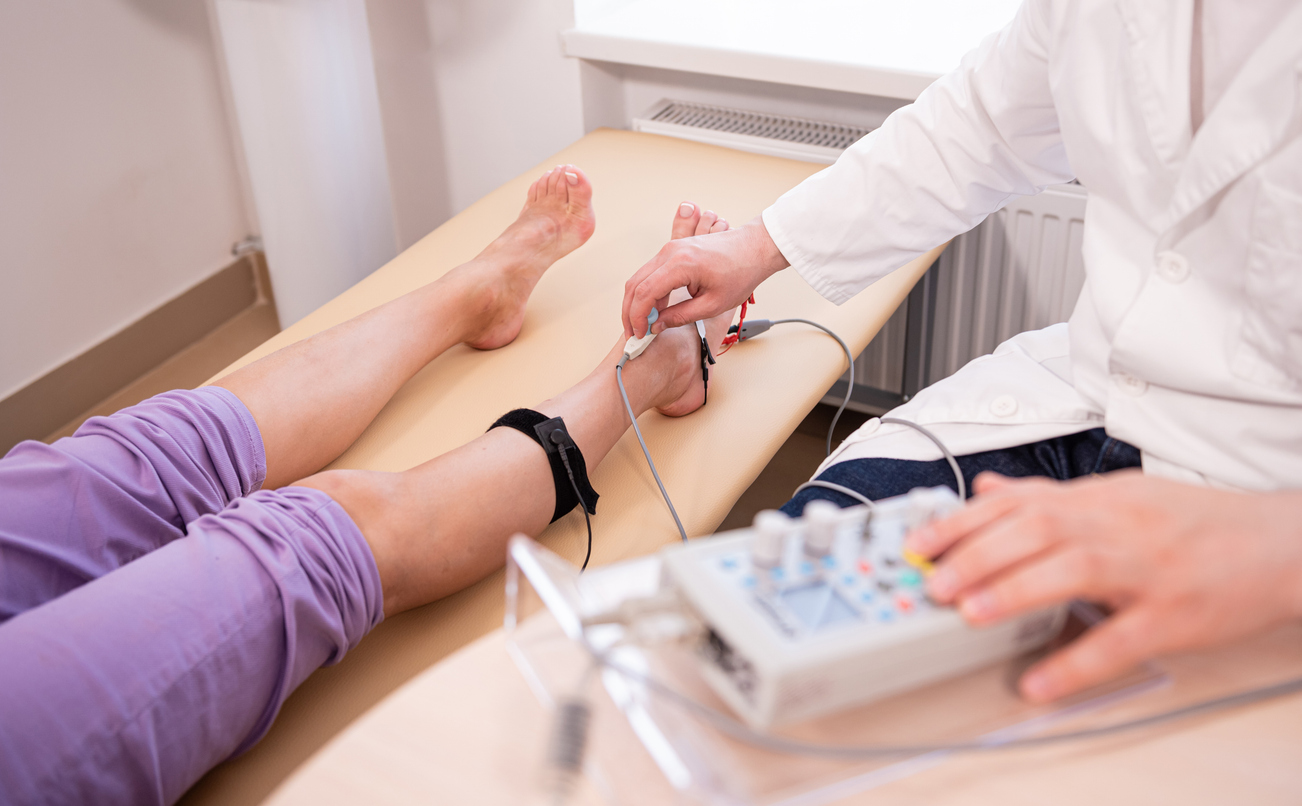

For patients with ulcers or nonhealing wounds, advanced wound care is essential to your treatment plan.
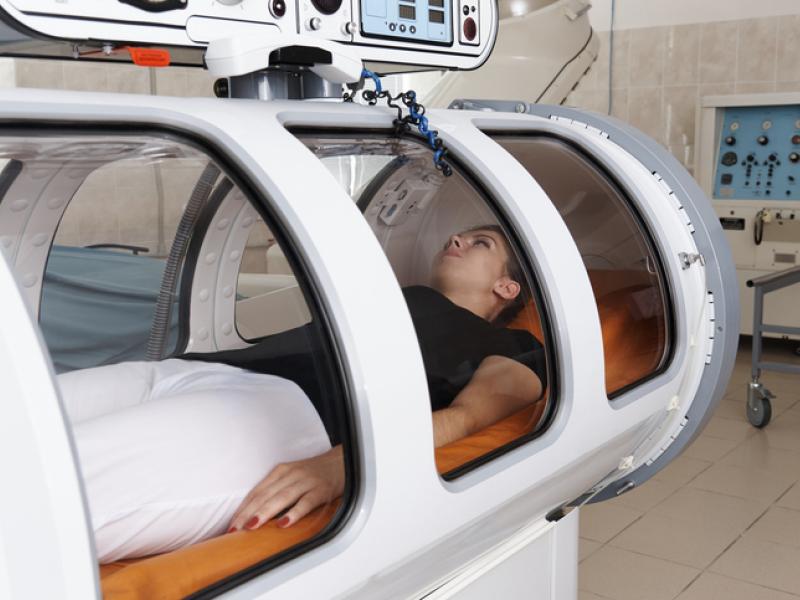
This treatment involves breathing pure oxygen in a pressurized chamber to stimulate healing in tissues with poor blood supply.

Minimally invasive techniques such as angioplasty and stenting use small catheters to open narrowed arteries and restore blood flow without open surgery.

In advanced cases, bypass surgery can reroute blood flow around severely blocked arteries. Your doctor may recommend surgery if other options aren’t effective or feasible.

Quitting smoking, eating a healthy diet and exercising can slow PAD progression. Drugs such as antithrombotic agents, antiplatelet agents and cholesterol-lowering statins can help improve circulation.

A hands-on, multidisciplinary approach can help prevent amputation and preserve limb function, even in severe cases.
At Inspira, we deliver personalized PAD care using minimally invasive techniques and coordinated expertise. Our multidisciplinary team manages symptoms, boosts circulation and helps prevent limb loss. Many patients benefit from lifestyle support and medical therapy, reducing the need for surgery. We focus on fast recovery and lasting results, using advanced treatments to protect your health and mobility. Our approach helps you avoid hospitalization and return to daily activities sooner, so you can live life more fully.
This article outlines key symptoms to watch for when patients are referred for vascular care and how...

Paul Maurice turned to Inspira Rehab Services for pain relief and mobility after an ankle injury. He...

Blood clots can happen to anyone, even elite athletes. Here’s what to know about how blood clots...

Learn more about our online scheduling and schedule an appointment with your provider today.

We offer a wide variety of services at our many locations throughout New Jersey, including award-winning obstetrics and gynecology, cancer care and orthopedics.

World class care is in your backyard. Learn more about our local and nationally renowned physicians.