
This article outlines key symptoms to watch for when patients are referred for vascular care and how...

An arteriovenous fistula is a surgical connection between an artery and a vein that provides reliable, long-term access for hemodialysis treatments. By creating a robust pathway for blood flow, this procedure helps ensure efficient toxin removal and reduces complications associated with temporary access methods.
An arteriovenous fistula (AVF), also known as an arteriovenous anastomosis, is a surgically created connection between an artery and a vein, most commonly in the arm, that produces a high-flow vessel ideally suited for repeated access. Unlike temporary catheters, an AVF uses your blood vessels to establish a durable lifeline for hemodialysis.
AVFs are the preferred option for people with end-stage kidney disease or advanced chronic kidney disease who require long-term hemodialysis. Because the vein walls need to thicken and expand, a process called maturation, AVFs are planned several weeks before starting dialysis to ensure patients have the safest and most effective access in place when treatment begins.
During the AVF surgery, your vascular surgeon creates the anastomosis by sewing a section of an artery directly into a nearby vein. Rerouting arterial pressure into the vein stimulates the vein walls to thicken and the vessel to enlarge over six to eight weeks.
As the vein matures, it becomes robust enough to withstand the repeated needle insertions required for hemodialysis. The resulting high-flow access improves the clearance of toxins and excess fluid while reducing the risks of infection and clotting compared to temporary catheter methods.
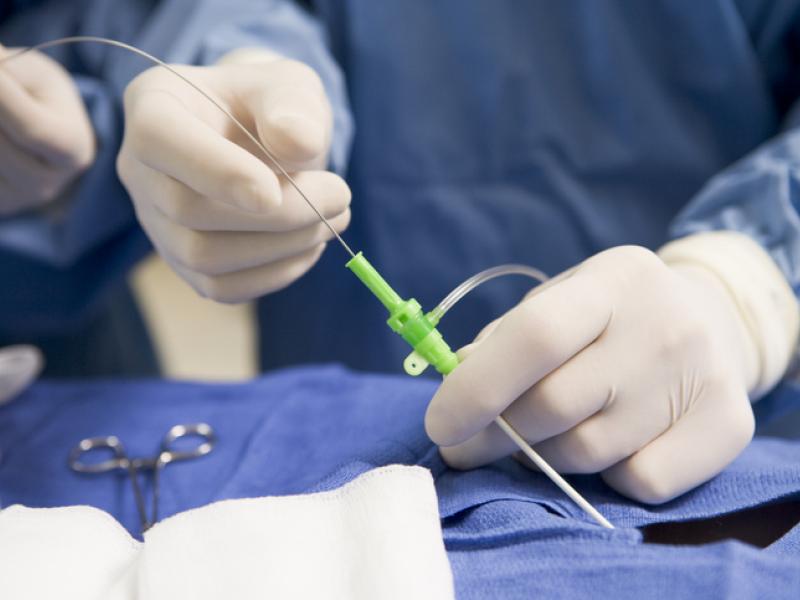
Formed in the upper arm by joining the brachial artery to the cephalic vein near the elbow crease. This option provides higher blood flow when wrist vessels are too small or unsuitable for other options.

Also called a wrist fistula, this type of fistula connects the radial artery to the cephalic vein at the wrist. It’s often the first choice because it preserves more proximal vessels and tends to have fewer complications.

This type of fistula involves moving the deep basilic vein closer to the skin surface and connecting it to the brachial artery. It may be recommended when other sites aren’t viable, offering strong flow but requiring a more extensive surgical procedure.
Once your fistula is in place and fully matured, you’ll use it for each hemodialysis session. Before treatment, your dialysis team will check for proper blood flow by feeling the fistula and listening for its steady humming vibration.
Between sessions, plan to wash the area daily, keeping the skin around your fistula clean and free of lotions or creams. You’ll also routinely check for any changes, such as swelling, firmness or prolonged bleeding after needle removal, and report concerns promptly.
Your care team will schedule regular access evaluations, which may include physical exams and ultrasound checks, to monitor fistula health. With good daily care and these periodic assessments, your AVF can remain a reliable, long-term access point for dialysis.
This article outlines key symptoms to watch for when patients are referred for vascular care and how...

Paul Maurice turned to Inspira Rehab Services for pain relief and mobility after an ankle injury. He...

Blood clots can happen to anyone, even elite athletes. Here’s what to know about how blood clots...

Learn more about our online scheduling and schedule an appointment with your provider today.

We offer a wide variety of services at our many locations throughout New Jersey, including award-winning obstetrics and gynecology, cancer care and orthopedics.

World class care is in your backyard. Learn more about our local and nationally renowned physicians.