
This article outlines key symptoms to watch for when patients are referred for vascular care and how...
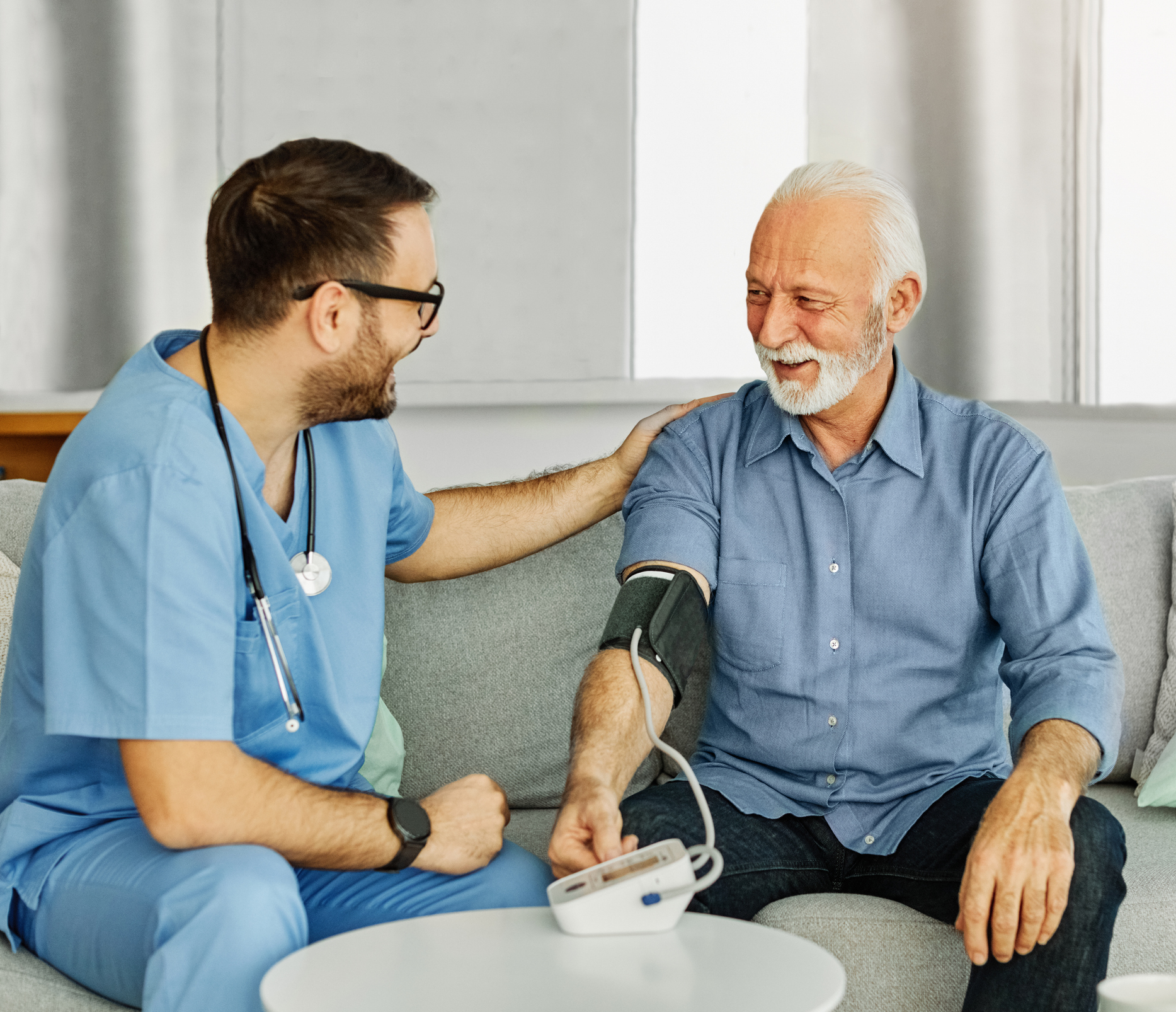
Peripheral aneurysms occur when an artery outside the chest or abdomen, such as in the legs or arms, develops a weakened, bulging section. While some cause no symptoms, others can lead to pain, swelling or serious complications if left untreated.
A peripheral aneurysm is a bulge or balloon in the wall of an artery outside of the chest or abdomen, most commonly in the legs or arms. It happens when a portion of the arterial wall weakens, allowing pressure from blood flow to stretch the vessel outward. While some aneurysms remain stable and asymptomatic, others may grow over time, increasing the risk of clot formation, reduced or blocked blood flow (limb ischemia) or rupture.
There are several types of peripheral aneurysms, categorized by their location:
Peripheral aneurysms can develop due to a combination of factors that weaken arterial walls over time. Common causes and risk factors include atherosclerosis (hardening of the arteries), high blood pressure, trauma or injury, smoking, connective tissue disorders and a family history of aneurysms. Early detection through imaging and monitoring is key to managing the condition and reducing the risk of serious complications.
Peripheral aneurysms don’t always cause symptoms, but when they do, they can vary depending on the location and size of the aneurysm. Common symptoms may include:
Peripheral aneurysms are diagnosed through a physical exam and imaging tests. Your doctor may check for a noticeable pulse or signs of reduced blood flow in your limbs. Ultrasound is often the first imaging step, providing a detailed look at artery structure and blood flow. For more detailed assessment, your care team may order a CT or MR angiogram to help plan treatment and assess risks. In some instances, an invasive testing such as an Angiogram may be necessary.
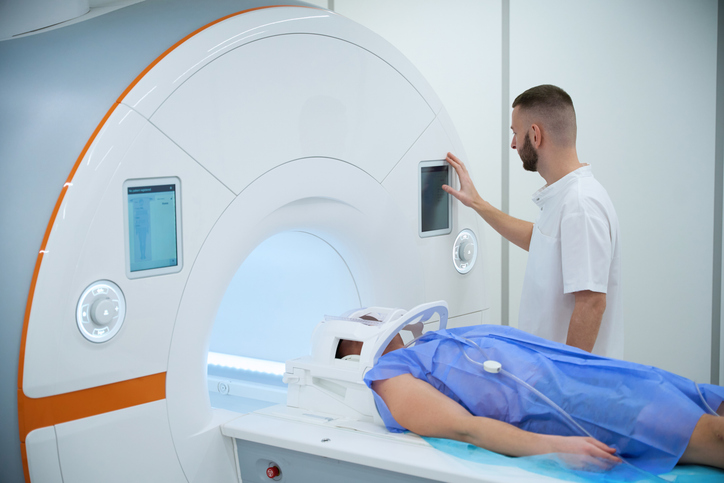

Small, asymptomatic aneurysms may only need regular checkups and imaging to track growth and monitor changes over time.

Medications like blood thinners or antiplatelet medications can help reduce the risk of clot formation and improve circulation.

Quitting smoking, managing blood pressure and addressing high cholesterol can help slow aneurysm progression and improve overall vascular health.
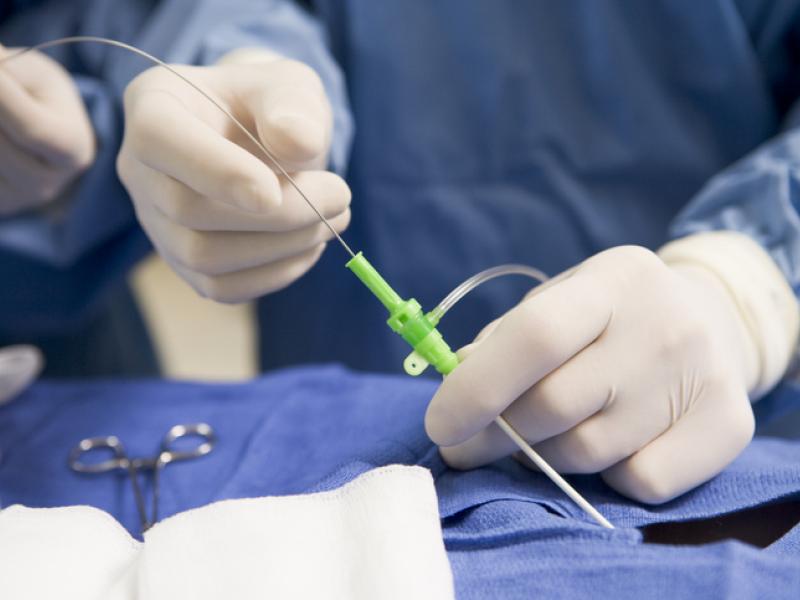
A minimally invasive procedure where a stent graft is inserted through a catheter to reinforce the weakened artery from the inside.

In more complex cases, the affected artery section may be surgically removed and replaced with a graft to restore normal blood flow.
At Inspira, we provide expert care for peripheral aneurysms using a collaborative team of vascular specialists, radiologists, primary care providers, cardiovascular surgeons and more. Our streamlined process ensures you get advanced imaging, accurate diagnosis and the most effective treatment options available. With locations across South Jersey, we make care convenient and accessible, focusing on minimally invasive techniques whenever possible. From your first visit to your recovery, we guide you every step with a personalized treatment plan designed for the best outcomes.
This article outlines key symptoms to watch for when patients are referred for vascular care and how...

Paul Maurice turned to Inspira Rehab Services for pain relief and mobility after an ankle injury. He...

Blood clots can happen to anyone, even elite athletes. Here’s what to know about how blood clots...

Learn more about our online scheduling and schedule an appointment with your provider today.

We offer a wide variety of services at our many locations throughout New Jersey, including award-winning obstetrics and gynecology, cancer care and orthopedics.

World class care is in your backyard. Learn more about our local and nationally renowned physicians.