
This article outlines key symptoms to watch for when patients are referred for vascular care and how...

Atherosclerosis happens when fatty deposits clog your arteries, gradually narrowing them and reducing blood flow. Over time, this can increase the risk of heart attack, stroke and other complications, but early detection and healthy lifestyle changes can help manage the condition.
Atherosclerosis, a type of arteriosclerosis, is a condition in which fatty deposits, called plaque, build up on the inner walls of your arteries. Over time, these plaques harden and narrow the arteries, making it harder for blood and the oxygen it carries to reach vital organs and tissues.
The condition begins when low-density lipoprotein (LDL) cholesterol infiltrates the arterial lining, causing inflammation. In response, immune cells and smooth muscle cells migrate to the area, trapping more lipids and forming a fibrous cap around the growing plaque. As plaques enlarge, they stiffen and constrict vessels, reducing blood flow and increasing the likelihood of clots.
Non-modifiable risks include age, family history of heart disease, and genetic conditions that raise cholesterol. Modifiable factors include high LDL, low HDL, high blood pressure, smoking, diabetes, obesity, sedentary lifestyle and poor diet. Multiple risk factors together accelerate plaque buildup, making prevention and medical care essential.
Atherosclerosis, including calcific atherosclerosis, where calcium-rich plaques stiffen vessel walls, often develops silently. As these deposits grow and restrict blood flow, symptoms may depend on which arteries are affected (for example, aortic atherosclerosis symptoms can differ from those of peripheral or coronary disease).
Atherosclerosis symptoms may include:
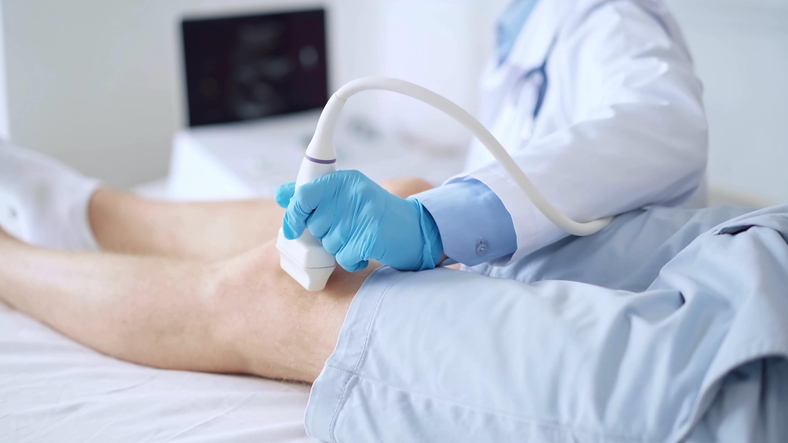
To diagnose atherosclerosis, your doctor will review your symptoms, medical history and risk factors. Blood tests check cholesterol, blood sugar and inflammation markers. Non-invasive imaging like ultrasound, CT angiography or MRI—detects plaque and artery narrowing. Ankle-brachial index (ABI) compares blood pressure in your ankles and arms to spot blockages. Advanced tests such as coronary angiograms may be used to pinpoint the location and severity of arterial disease.

In this minimally invasive procedure, a balloon catheter is used to widen a narrowed artery, and a small mesh tube (stent) is placed to keep it open, restoring blood flow.

Aspirin or P2Y12 inhibitors prevent blood cells called platelets from clumping together, reducing the chance of a clot forming on a ruptured plaque.

A catheter-mounted device removes or shaves off plaque from the arterial wall, often used when lesions are heavily calcified and not easily treated by balloon angioplasty alone.

In cases of extensive blockage, a vessel from another part of the body or a synthetic graft is used to create a new pathway around the blocked artery, commonly done in coronary or peripheral circulation.

Surgeons remove plaque directly from the inner lining of an artery, commonly performed in the carotid artery, to restore normal blood flow and prevent stroke.

Statins reduce LDL cholesterol production in the liver, stabilize existing plaques and lower inflammation, significantly decreasing the risk of heart attack and stroke.
At Inspira, we help you manage atherosclerosis and its related vascular health issues through a collaborative, multidisciplinary network. With board certified cardiologists and vascular surgeons to dietitians, rehabilitation specialists, interventional radiologists and more, our team works together to provide seamless, patient-centered care. Early detection is key, so we offer state-of-the-art diagnostics, including advanced imaging and noninvasive vascular testing, to accurately assess plaque burden and vascular function.
Inspira providers develop personalized treatment plans that combine lifestyle counseling, medication management and minimally invasive procedures when needed. We coordinate care across primary care, nutrition, rehabilitation and specialty services to help you improve blood flow, control risk factors and restore your quality of life.
This article outlines key symptoms to watch for when patients are referred for vascular care and how...

Paul Maurice turned to Inspira Rehab Services for pain relief and mobility after an ankle injury. He...

Blood clots can happen to anyone, even elite athletes. Here’s what to know about how blood clots...

Learn more about our online scheduling and schedule an appointment with your provider today.

We offer a wide variety of services at our many locations throughout New Jersey, including award-winning obstetrics and gynecology, cancer care and orthopedics.

World class care is in your backyard. Learn more about our local and nationally renowned physicians.