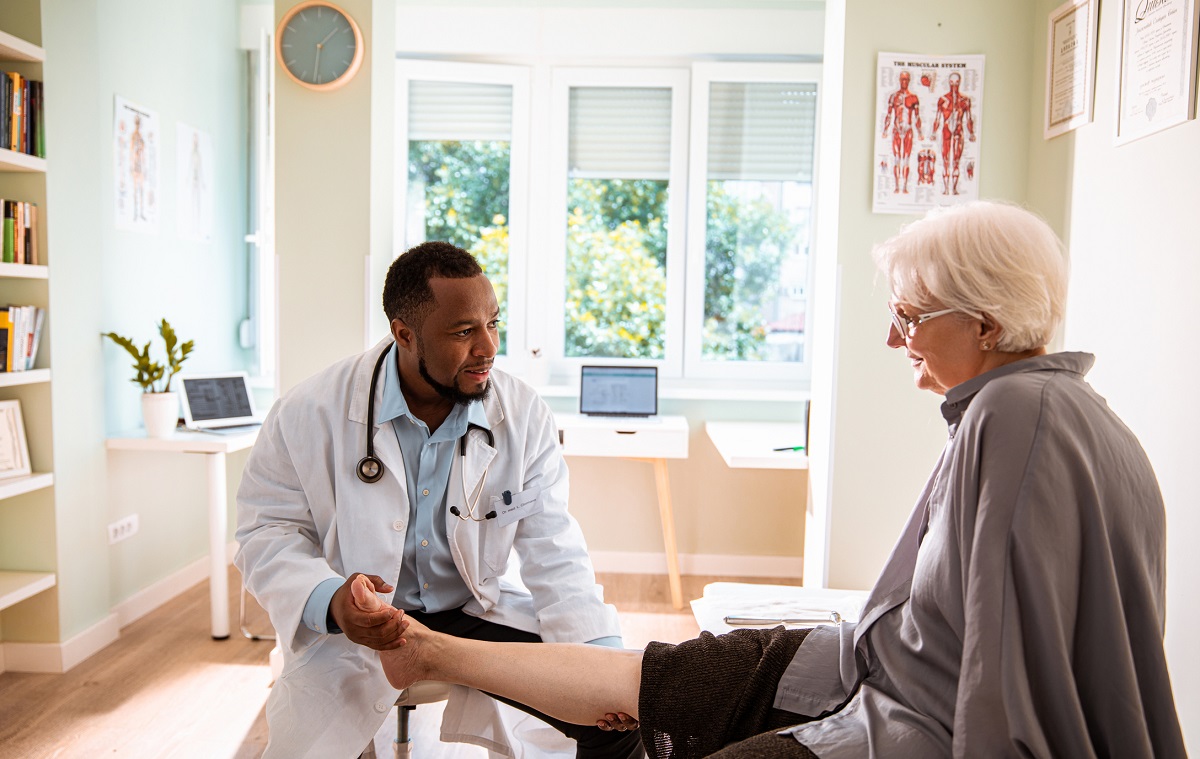

The Internal Medicine Residency at Inspira Medical Center Mullica Hill is a rigorous, fully ACGME-accredited three-year training program. Located just 20 minutes from Philadelphia and less than an hour from the Jersey Shore, we offer the best of both urban and suburban medicine.
Our residents care for a diverse patient population across a range of socioeconomic and cultural backgrounds. Clinical training occurs in both inpatient and outpatient settings, with rotations through Inspira Mullica Hill, Inspira Elmer, and Inspira Mannington—each offering a unique learning environment that helps residents become adaptable and well-rounded physicians.
We are proud to be affiliated with Rowan-Virtua School of Osteopathic Medicine, giving residents access to dedicated faculty and rich academic resources. We also welcome medical students from Rowan-Virtua SOM, Cooper Medical School of Rowan University, and Philadelphia College of Osteopathic Medicine (PCOM). This collaborative learning environment enhances team dynamics and cultivates a culture of teaching.
With a strong foundation in clinical excellence, research, innovation, and mentorship, our program prepares the next generation of internal medicine physicians to lead with skill, integrity, and purpose.
What Makes Inspira’s Internal Medicine Residency Unique
The Inspira Internal Medicine Residency Program - Mullica Hill offers more than just comprehensive training. We provide a thoughtfully designed experience that prioritizes wellness, clinical excellence, flexibility, and innovation. Here's what sets our program apart:
4+2 Schedule Model
We follow a 4+2 scheduling model, in which residents complete four weeks of inpatient rotations followed by two weeks of outpatient time—one week in their continuity clinic and one week on an ambulatory rotation. This structure allows residents to remain fully engaged in inpatient service without interruption, while providing a much-needed break from inpatient demands. It also strengthens continuity of care with clinic patients and enhances focus during ambulatory experiences.
No 24-Hour Call System
We utilize a night float system across all training years, eliminating 24-hour calls and supporting a more balanced and sustainable workflow.
Innovative Night Float Model
Our redesigned two-week Night Float rotation includes four assigned residents, with three working each night and one resident off. This structure creates a built-in rotation of protected nights off, allowing residents significantly more recovery time during the block. The model improves wellness, reduces fatigue, and ensures safe, sustainable overnight coverage while maintaining strong clinical learning opportunities.
Integrated Point-of-Care Ultrasound (POCUS) Training
Residents receive hands-on POCUS training during simulation lab sessions on the medical floor using Butterfly ultrasound devices, helping bridge diagnostic skills with bedside care.
Flexible Paid Time Off (PTO)
We offer 20 flexible PTO days that can be used during continuity clinic, ambulatory rotations, or elective time—allowing residents to plan life around their training, not the other way around.
PGY-Level Bootcamps for Smooth Transitions
Our residency features structured bootcamps tailored to each PGY level, ensuring residents are well-supported during critical transitions from medical school to intern year, and from junior to senior resident roles.
Message from Program Director

Program Curriculum
The Internal Residency Program at Inspira Medical Center - Mullica Hill is grounded in the PRIME model, a progressive, competency-based framework that guides leaners through increasing levels of responsibility:
- P: Primary Learner and R: Reporter - These stages apply to medical students, who are building foundational clinical knowledge and developing the ability to gather and report clinical data effectively.
- Our residency program is focused on the next three stages:
- I: Interpreter (PGY-1) - Interns master clinical reasoning, data synthesis, and the development of basic differentials and care plans.
- M: Manager (PGY-2) - Residents learn to manage patient care independently, supervise juniors, and coordinate multidisciplinary care.
- E: Educator (PGY-3) - Senior residents serve as clinical leaders and teachers, preparing for fellowship, academic roles, or independent practice.
To support this model, residents participate in PGY-specific bootcamps each year, designed to build the clinical, leadership, and teaching skills relevant to their level of training.
Didactic Curriculum
Our Internal Medicine Residency Program offers a rich variety of structured didactic experiences that support clinical learning, promote professional development, and prepare residents for independent practice.
Morning Report
Held multiple times per week, Morning Report is a resident-led, case-based session designed to strengthen diagnostic reasoning and clinical problem-solving, with faculty facilitation and feedback.
Noon Conference
Daily noon lectures follow the ABIM blueprint and are delivered by academic hospitalists and subspecialists. Sessions are interactive, often including clinical vignettes, think-pair-share discussions, and board-style questions to support active learning and long-term retention.
Grand Rounds
Monthly lectures delivered by regional and national leaders in internal medicine covering advances in medical science, clinical practice, and healthcare systems.
Morbidity & Mortality (M&M)
Resident-led M&M conferences focus on reflective practice, quality improvement, and patient safety. These sessions foster a supportive, educational environment where residents learn from complex or unexpected outcomes.
Practicing Excellence
A monthly professional development series that helps residents refine their skills in communication, leadership, feedback, and mentorship - essential attributes for future educators and team leaders.
Simulation Lab Curriculum
Residents participate in structured simulation curriculum that includes:
- Code Blue leadership and teamwork training
- Rapid Response Team scenarios
- Communication skills such as delivering bad news and obtaining informed consent
- Procedure training: Ultrasound guided IV-line, central line, chest tube insertion, etc.
- Dedicated Point-of-Care Ultrasound (POCUS) training, including hands-on practice with the VIMEDIX simulator
Medical Student Integration and Resident Teaching Development
At Inspira, we believe that great physicians are also great teachers. Our residency program is structured to ensure residents not only grow as clinicians but also develop the skills necessary to effectively teach and mentor medical students.
We thoughtfully integrate third- and fourth-year medical students (MS3s and MS4s) into our inpatient teaching teams. Residents play an active role in guiding student learning and modeling professional behaviors.
- PGY-1 residents are responsible for supervising and teaching MS3 students.
- Senior residents (PGY-2 and PGY-3) oversee MS4 sub-interns, helping them prepare for the responsibilities of internship.
Residents are given tools and support to develop their teaching skills, including:
- How to provide direct and constructive feedback,
- How to assess learner progress and engagement
- Strategies to promote active participation during rounds
- Tips for bedside teaching and procedural teaching
Medical students are fully integrated into the clinical workflow. They:
- Participate in daily rounds as contributing team members
- Document supervised H&Ps, progress notes, and discharge summaries
- Receive feedback from both residents and attendings
By promoting a structured, feedback-rich environment, our program not only supports medical student education - it also helps our residents grow into effective educators, team leaders, and future faculty.
Schedule at a Glance
- Please note: This schedule is provided as an example and is subject to change as our program continues to grow and reaches its full complement of residents in the coming years. Due to the nature of the 4+2 scheduling system, individual resident schedules may vary slightly based on rotation timing, clinical needs, and elective selections. We remain committed to ensuring all residents receive comprehensive and equitable training experiences.
- General Medical Floors - 16 weeks
- Medical Admitting Rotation - 2 weeks
- Night Float - 4 weeks
- ICU - 4 weeks
- Cardiology - 2 weeks
- Gastroenterology - 2 weeks
- Hematology/Oncology - 2 weeks
- Elective - 4 weeks
- Continuity Clinic/Ambulatory - 16 weeks
- General Medical Floors - 12 weeks
- Medical Admitting Rotation - 2 weeks
- Night Float - 4 weeks
- ICU - 4 weeks
- Swing Shift - 2 weeks
- Addiction Medicine - 2 weeks
- Neurology - 2 weeks
- Infectious Disease - 2 weeks
- Pulmonary - 2 weeks
- Elective - 4 weeks
- Continuity Clinic/Ambulatory - 16 weeks
- General Medical Floors - 8 weeks
- Medical Admitting Rotation - 2 weeks
- Night Float - 4 weeks
- ICU - 4 weeks
- Swing Shift - 2 weeks
- Geriatrics - 2 weeks
- Cardiology - 4 weeks
- Elective - 8 weeks
- Continuity Clinic/Ambulatory - 16 weeks
- Palliative Care - 2 weeks
Fellowship Match Success
Our residents have matched into highly competitive fellowships across a range of subspecialties. Recent successes include:
- 2023 Match:
- 2 in Critical Care Medicine
- 1 in Pulmonary/Critical Care
- 1 in Rheumatology
- 1 in Nephrology
- 2024 Match:
- 2 in Cardiology
- 2 in Endocrinology
- 1 in Geriatrics
- 2025 Match:
- 1 in Cardiology
- 1 in Rheumatology
- 1 in Pulmonary/Critical Care
- 1 in Geriatrics
- 1 in Hematology/Oncology
Resident Wellness & Support
Resident well-being is a top priority at Inspira Mullica Hill. Our program is designed with wellness in mind — from a friendly schedule with no 24-hour calls to our structured 4+2 system that promotes work-life balance and recovery time.
In addition, we have a dedicated Resident Wellness Committee made up of peer-elected residents. This committee:
- Monitors burnout and shares feedback directly with program leadership for timely intervention
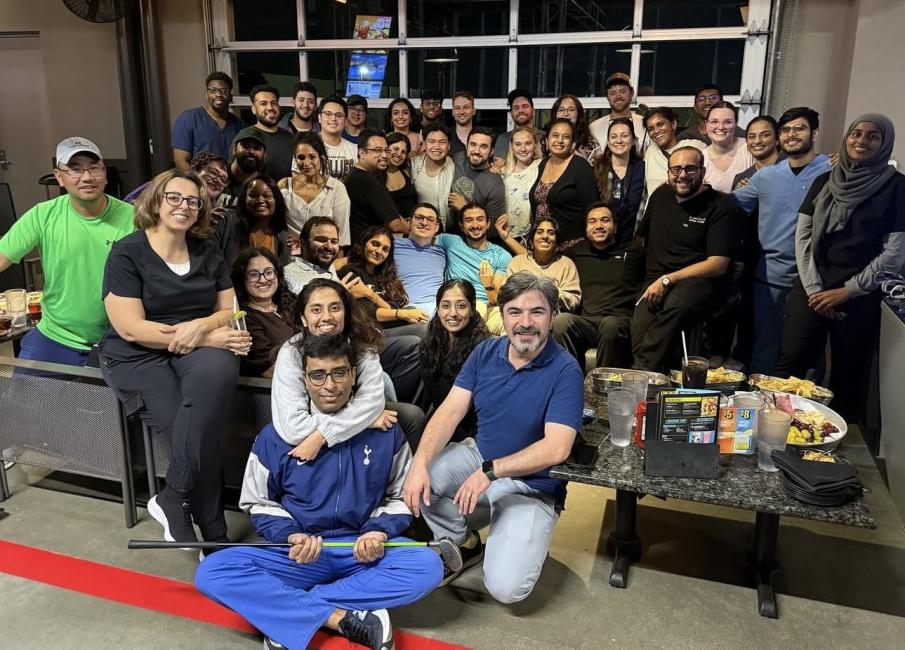
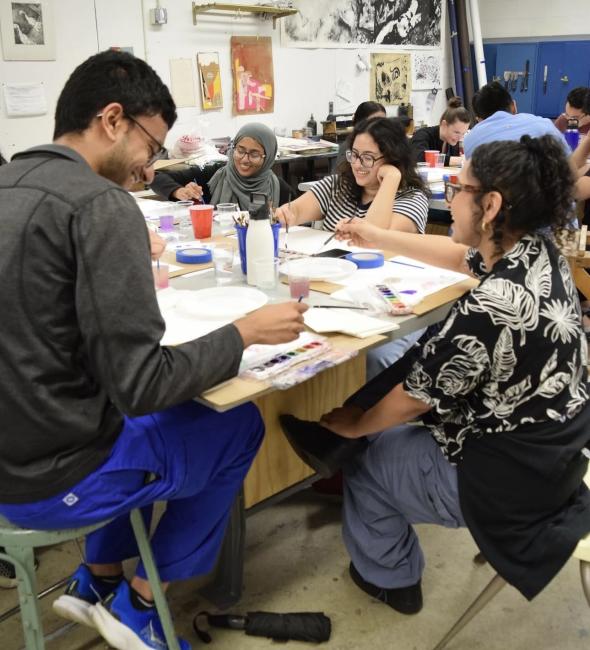
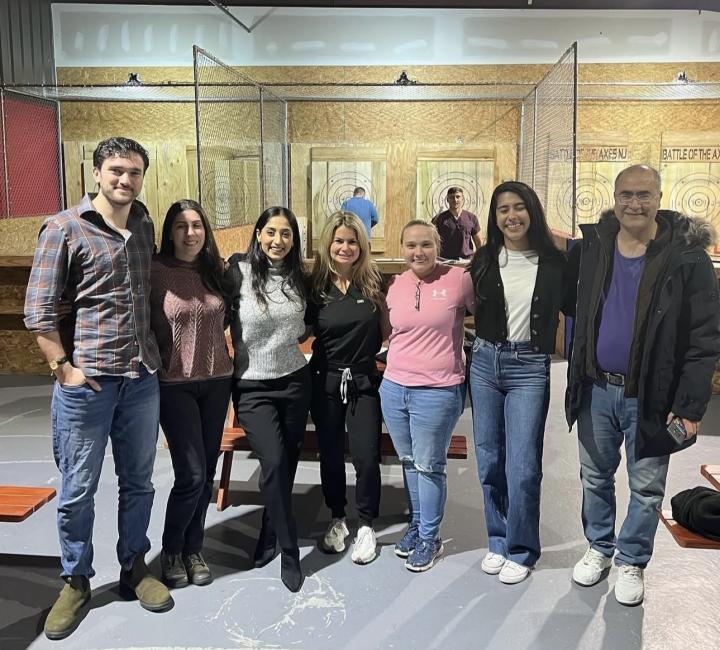
- Plans engaging quarterly events such as axe throwing, Top Golf, pickleball tournaments, and the annual PGY-1 wellness picnic
- Encourages camaraderie and builds a supportive resident community
Residents also have access to Care Bridge, Inspira's mental health and wellness resource, offering confidential support for stress, counseling, and other personal challenges.
We believe that supporting resident wellness is essential to professional success, and we are committed to fostering a positive, inclusive training environment.





How to Apply
We participate in the National Residency Matching Program (NRMP) and accept applications exclusively through the Electronic Residency Application Service (ERAS).
Application Requirements:
- ERAS application
- USMLE Step 1 and Step 2 or COMLEX Level 1 and Level 2 (DO applicants are not required to submit both USMLE and COMLEX scores — one pathway is sufficient)
- Medical Student Performance Evaluation (MSPE) (Dean's Letter)
- Three letters of recommendation
We welcome applications from both allopathic and osteopathic medical students who are committed to excellence in patient care, clinical reasoning, and professional development.
If you have questions about the application process, please contact Tammie Derechinsky, Program Manager, at DerechinskyT@ihn.org or (856) 508-3291